
A great pizza starts long before the oven heats up. The real difference is usually made during mixing—when flour hydrates, gluten forms, and the dough turns from rough to smooth. In busy kitchens, consistency is money.
What Is a Pizza Dough Mixing Machine?
A pizza dough mixing machine is equipment designed to combine ingredients and knead dough with controlled speed and force. Compared to hand mixing, it cuts labor, improves consistency, and reduces batch-to-batch variation. That matters for businesses where every pizza must look, feel, and bake the same.
Three common types are used for pizza:
Spiral Mixer: The bowl rotates while a spiral hook kneads. It typically builds strong gluten with less friction and heat.
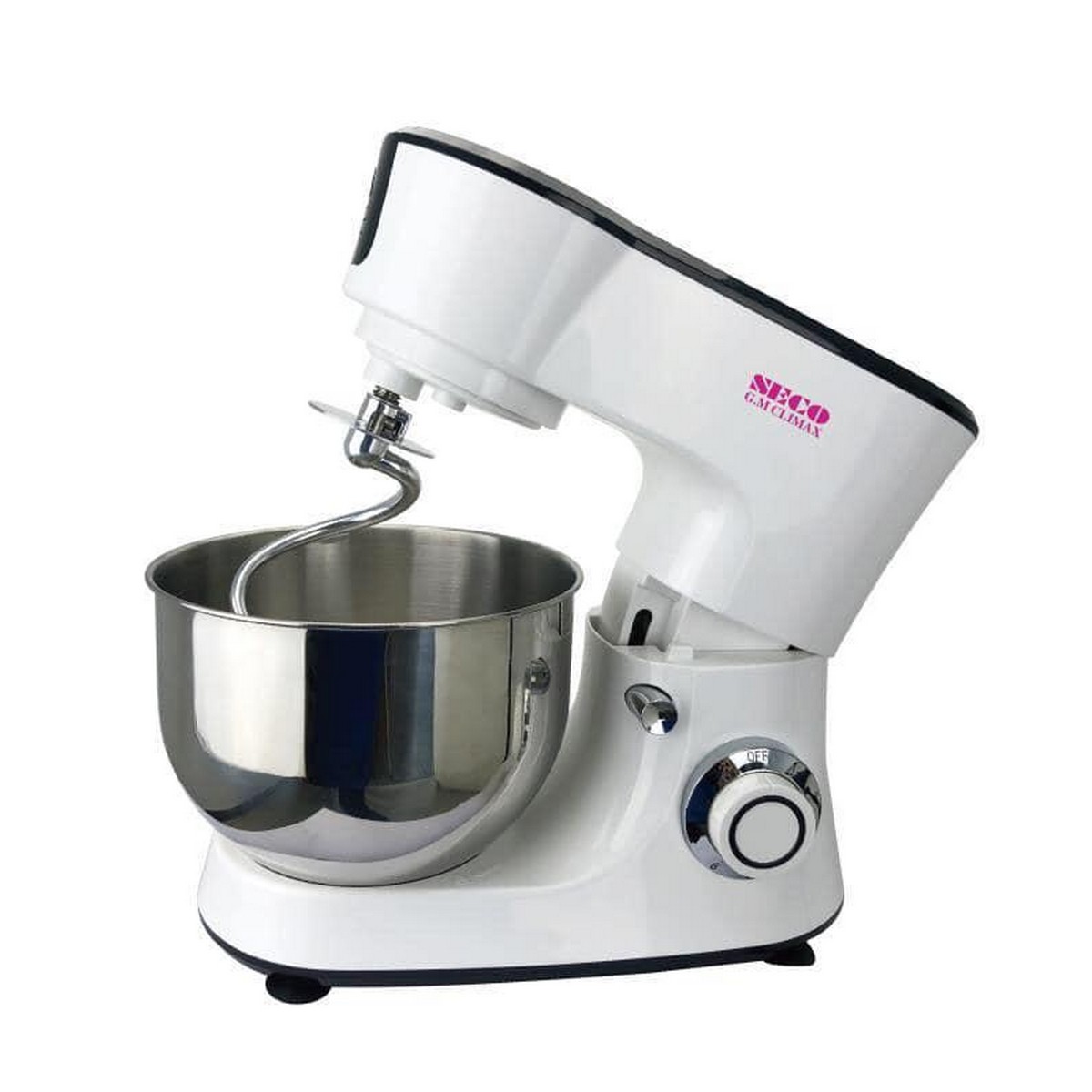
Planetary Dough Mixer: The attachment spins while orbiting the bowl. It is versatile and common in multi-purpose kitchens.
Dough Kneading Machine (Fork-style): A gentler kneading action that can suit artisan pizza programs where extensibility is the goal.
Spiral vs. Planetary vs. Dough Kneader—Which Is Best for Pizza Dough?
Spiral Mixers
Spiral units are often the “pizza-first” pick. They tend to develop gluten efficiently while keeping dough temperature more stable. For high-hydration recipes, a spiral mixer for pizza dough also helps bring wet dough together without turning it into a sticky mess.
Planetary Mixers
A planetary dough mixer is a strong choice when one machine must do many jobs. It can whip, mix batters, and knead dough. The tradeoff is that repeated stiff-dough batches can stress smaller motors, especially if the unit is not built as a heavy-duty dough mixer.
Dough Kneaders / Fork Mixers
A fork-style dough-kneading machine is known for gentle mixing. It can suit artisan dough that needs a softer feel and good extensibility. It may be slower, but the texture can be excellent when the workflow is consistent.
Best Choice by User Type
Home Users: A compact spiral-style or sturdy planetary unit (small batch focus).
Restaurants & Small Pizzerias: Spiral is often the safest “pizza-focused” choice.
Bakeries & High-Volume Operations: A floor spiral or specialized kneader, depending on dough style and throughput.
Key Features to Look For (This Is Where Buyers Decide)
When comparing pizza dough mixing machines across brands, these features decide whether daily use feels easy or exhausting.
Capacity (Flour vs Dough Weight)
Capacity is the first decision. Many buyers confuse bowl liters with real dough output. A practical dough mixer capacity guide should estimate dough weight and the number of dough balls per batch. Buying too small forces extra batches; buying too large can underload the bowl and mix unevenly.
Capacity should cover the busiest day, not the average day.
Doughball planning is more useful than bowl liters.
Motor Power & Drive System (Belt vs Gear)
For frequent production, a gear-driven drive can offer strong torque and long-term durability. Belt systems can be quieter and easier to service, but they may need periodic tension checks and replacements.
Bowl Design: Fixed vs Removable
Fixed-bowl spiral mixers are common in pizzerias because they are stable and straightforward. Removable bowls are useful when workflow needs quick swap-outs, pre-batching, or a clean bowl ready for the next mix.
Hydration Handling
High-hydration dough is popular in many modern pizza styles. Machines that handle hydration well will incorporate water smoothly without overheating or smearing dough around the bowl. In practice, a stable hook-to-bowl geometry matters as much as raw horsepower.
Mixing Speeds
Two speeds are a practical sweet spot. Low speed helps combine ingredients without flour dust or dry pockets. High speed helps develop dough strength. Variable speed is useful, but only when staff have clear settings and repeatable timing.
Dough Temperature Control
Dough heats during mixing due to friction. Warm dough ferments faster and can become sticky or weak. Strong operators manage this with colder water, shorter high-speed mixing, and rest periods. A good kitchen treats final dough temperature as a daily checkpoint, not a guess.
Build Quality, Safety, and Hygiene
Look for stainless steel contact points, stable frames, and a safety guard that stops the mixer when opened. In real kitchens, easy cleaning is a profit feature. Tight corners and rough welds waste time and create hygiene headaches.
Noise, Footprint, Voltage, and Service
For shopping malls and open kitchens, noise and footprint matter. Voltage (110/220V) should match the site. For businesses, local service support and spare parts access are often more important than a small discount.
Best Pizza Dough Mixing Machines — Detailed Reviews
These categories reflect what tends to perform reliably in real operations. The “best” choice is the one that matches batch size, staff habits, and dough style—not the one with the longest spec sheet.
1) Best Overall: Mid-Capacity 2-Speed Spiral Mixer (5–10 kg Dough)
Best for: Small pizzerias, bakery corners, and consistent daily production
Specs Snapshot: 2 speeds, rotating bowl, safety guard, commercial dough mixer build
Pros:
Strong gluten development with stable dough temperature
Fast enough for rush prep, controlled enough for staff consistency
Cons:
Less versatile than a planetary unit for non-dough tasks
Who should buy: Teams that sell pizza daily and want repeatable dough without babysitting.
How to Choose the Right Size (Capacity Calculator)
A quick way to plan size is to start with dough balls. If a kitchen makes 20 pizzas/day at 250g dough balls, that is 5,000g (5 kg) of dough per day—before waste, test bakes, and peak-day demand.
Simple Rule of Thumb:
Home: 1–3 kg dough per batch
Small Pizzeria: 5–10 kg dough per batch
High Volume: 15–30+ kg dough per batch
Example Batches:
20 dough balls x 250 g = 5.0 kg dough
40 dough balls x 280 g = 11.2 kg dough
100 dough balls x 250 g = 25.0 kg dough
For many operators, the best plan is buying a pizza dough mixing machine that can handle at least one “busy-day” batch without maxing out. That buffer protects the motor and helps the dough come out the same every time.
How to Use a Pizza Dough Mixing Machine (Step-by-Step)
This mixer produces great results when the process is consistent. This simple workflow keeps staff aligned across shifts.
Add Liquids First: Start with water (often cool). Dissolve yeast if the recipe needs it. This helps even distribution.
Add Flour: Add flour slowly so hydration happens evenly. For bigger batches, this prevents dry pockets.
Add Salt and Oil at the Right Moment: Salt tightens gluten and slows yeast.
Sticky Dough:
Sticky dough is common with high hydration, but it should still feel structured. Under-kneading, weak flour, or too-warm dough can increase stickiness. Add short rest periods and extend low-speed mixing a little.
Uneven Mixing:
This is usually overloading or underloading the bowl or using the wrong speed sequence. Keep batches within the recommended range and use a repeatable routine.
For any pizza dough mixing machine, cleanliness is not only hygiene—it protects performance and prevents breakdowns during peak hours.
FAQ (Targets Featured Snippets)
- Is a spiral mixer worth it for pizza dough?
For many pizza-focused operations, yes. Spiral mixing supports strong dough structure and often reduces friction heat compared to more general mixers. - What capacity is needed for 20 pizzas/day?
Many operations start in the 5–10 kg range, depending on dough ball size and prep routine. A slightly larger capacity can reduce the number of batches. - Can a stand mixer replace a dough mixing machine?
For small home batches, sometimes. For repeated commercial prep, a purpose-built pizza dough mixing machine is typically more consistent and more durable. - Spiral mixer vs. dough kneader—what’s the difference?
A spiral mixer uses a rotating bowl and spiral hook to knead efficiently. A fork-style kneader is gentler and can suit artisan dough styles, though it may be slower. - What is a realistic pizza dough mixer machine price range?
Prices vary by size, build, and features. Entry-level planetary mixers are usually lower-cost, while commercial spirals cost more due to stronger motors, safety systems, and durable components. For business buyers, total cost of ownership matters most.