
Understanding Shame and Racial Equity in Schools
Creating equitable learning environments requires educators to examine both systems and emotions that influence school culture. Conversations about racial equity can bring forward discomfort, misunderstanding, and defensiveness. These reactions often arise because discussions about race challenge long-held beliefs, personal identities, and institutional practices. When shame becomes part of the conversation, individuals may become less willing to listen or reflect. For schools working toward equity, understanding the emotional side of change is just as important as implementing new policies.
Educational organizations like akoben llc help educators recognize how emotional responses can either support or block meaningful progress. Through professional development and restorative practices, schools can build environments where difficult conversations are handled with empathy and accountability. By addressing emotional barriers openly, educators can strengthen trust and promote inclusive school communities that support every student.
The Role of the Compass of Shame in Difficult Conversations
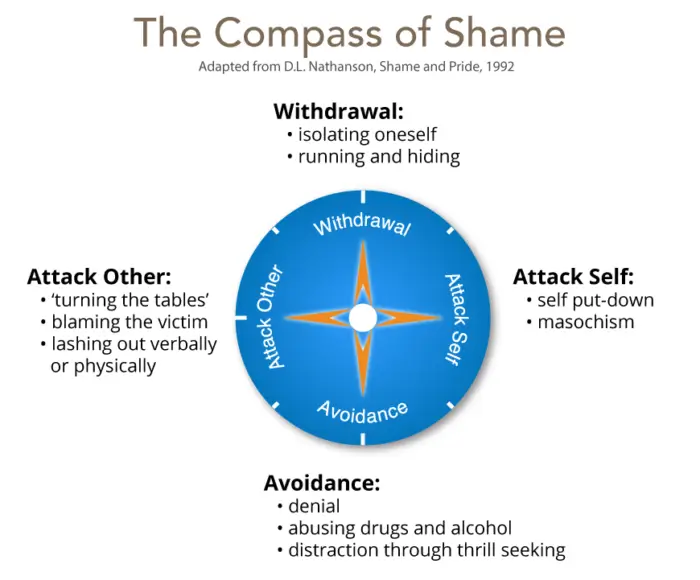
When people feel exposed or criticized during conversations about bias or racism, they may react defensively. The compass of shame explains four common responses to feelings of shame: attacking others, attacking oneself, avoidance, and withdrawal. These reactions are natural psychological responses, but they can prevent productive dialogue if they are not recognized. Understanding the compass of shame helps educators interpret defensive behavior and respond with empathy rather than confrontation.
Training programs from Akoben LLC often introduce educators to the compass of shame framework so they can recognize emotional patterns in classrooms and staff discussions. When teachers understand these reactions, they can guide conversations more effectively and reduce tension during sensitive topics. This awareness helps create a learning environment where individuals feel safe reflecting on bias and exploring ways to build more equitable schools.
Using Affective Statements to Build Accountability
Constructive communication is essential when addressing harmful behavior or bias in educational settings. One of the most effective restorative communication tools is affective statements. These statements focus on expressing how an action impacts others instead of placing blame. For example, a teacher might say, “I felt concerned when that comment was made because it may affect others in the class.” Using affective statements allows educators to communicate emotional impact while encouraging reflection rather than defensiveness.
Schools working with Akoben LLC often integrate affective statements into restorative discipline practices. When educators consistently use these communication strategies, they help students and colleagues develop empathy and accountability. Over time, this approach encourages healthier dialogue, improves relationships, and supports a school culture where individuals feel respected and heard.
Lessons from the Vintage Typewriter for Sale Metaphor
Educational systems sometimes hold onto outdated methods that no longer serve today’s diverse classrooms. A simple metaphor is a vintage typewriter for sale. While a vintage typewriter for sale may be admired for its history and craftsmanship, most people recognize it is not the most efficient writing tool today. In the same way, schools must evaluate traditional policies and practices that may unintentionally maintain inequities.
Looking at education through the lens of a vintage typewriter for sale helps educators reflect on how systems evolve. Just as technology advances to meet modern needs, educational practices must adapt to ensure fairness and inclusion. Schools that partner with Akoben LLC learn how to identify outdated approaches and replace them with restorative and equity-focused strategies that better support students.
Transforming School Culture Through Equity and Reflection
Building equitable schools requires intentional reflection and ongoing learning. When educators understand emotional reactions and communication strategies, they are better prepared to address bias and support inclusive environments. Programs developed by Akoben LLC guide schools through this process by combining emotional awareness with practical restorative tools.
Ultimately, progress toward racial equity happens when schools commit to both personal and systemic change. By recognizing patterns like the compass of shame, using restorative communication methods such as affective statements, and reconsidering outdated practices symbolized by a vintage typewriter for sale, educators can create learning environments where every student feels valued and supported.