
Dental implants are one of the most reliable ways to replace missing teeth. They restore both function and appearance, helping patients regain confidence in their smile. However, one of the most common questions patients ask Sydney Dentists is how the cost differs between replacing a single tooth and restoring an entire smile.
The price of implant treatment varies depending on the complexity of the case, the number of implants required and the type of restoration used. Clinics such as Bigger Smiles explain these differences clearly so patients understand what influences treatment costs and what they are paying for.
Understanding how single tooth implants differ from full mouth implant treatment can help patients make informed decisions about their long-term oral health.
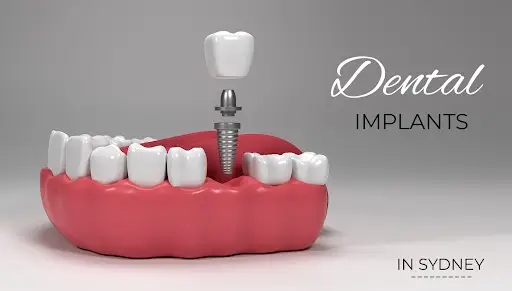
What a Dental Implant Includes
Before comparing treatment options, it helps to understand what a dental implant consists of.
A typical dental implant system includes three main parts:
• The implant post placed into the jawbone
• The abutment that connects the implant to the restoration
• The custom dental crown or prosthetic tooth
Each component is designed to work together to replace the missing tooth root and visible tooth structure.
Because implants involve surgery, healing time and custom restorations, the cost reflects more than just the implant itself.
Single Tooth Dental Implant Treatment
A single tooth implant is used when only one tooth is missing. This is one of the most common implant procedures performed by Sydney Dentists.
Instead of placing a bridge that relies on neighbouring teeth, an implant replaces the missing tooth independently.
How the Process Works
Single tooth implant treatment generally involves several stages:
-
Initial consultation and examination
-
Diagnostic imaging and treatment planning
-
Implant placement surgery
-
Healing period for bone integration
-
Placement of the final crown
Each stage contributes to the success and longevity of the implant.
Benefits of a Single Tooth Implant
Replacing one missing tooth with an implant offers several advantages.
These include:
• Preserving neighbouring teeth
• Maintaining jawbone density
• Restoring natural chewing function
• Providing a stable and long lasting replacement
Many patients prefer implants over bridges because the surrounding teeth remain untouched.
Factors That Affect the Cost of a Single Implant
Even for a single tooth, treatment costs can vary depending on several factors.
These may include:
• The condition of the jawbone
• The need for bone grafting
• The type of crown material used
• The complexity of the implant site
• Diagnostic imaging requirements
During the consultation, Sydney Dentists evaluate these factors and develop a personalised treatment plan.
Clinics such as Bigger Smiles provide transparent explanations so patients understand exactly what is involved in their treatment.
Full Mouth Dental Implant Treatment
Full mouth implant treatment is recommended when most or all teeth are missing or severely damaged.
Rather than replacing each tooth individually, dentists use a strategic approach that allows multiple teeth to be supported by a smaller number of implants.
This approach restores the entire smile while maintaining stability and function.
Common Full Mouth Implant Options
Sydney Dentists may recommend several types of full mouth implant solutions depending on the patient’s oral health and goals.
Implant Supported Bridges
Several implants are placed in the jaw to support a fixed bridge that replaces multiple teeth.
Implant Supported Dentures
Implants are used to stabilise removable dentures, improving comfort and preventing movement while eating or speaking.
Full Arch Implant Systems
Advanced techniques allow a full set of teeth to be supported by a small number of strategically placed implants.
Each option is designed to restore both aesthetics and function.
Why Full Mouth Implants Cost More
Full mouth implant treatment involves greater complexity than a single tooth replacement.
Factors that contribute to higher costs include:
• Multiple implant placements
• Larger restorations
• More detailed treatment planning
• Additional surgical time
• Custom prosthetic design
Despite the higher initial investment, full mouth implants can provide a stable and durable long term solution for patients with significant tooth loss.
The Importance of Bone Health
Bone condition plays a significant role in both single and full mouth implant treatment.
After tooth loss, the jawbone can gradually shrink because it no longer receives stimulation from tooth roots.
If bone density is insufficient, Sydney Dentists may recommend procedures such as:
• Bone grafting
• Sinus lift procedures
• Guided bone regeneration
These treatments strengthen the implant site and improve long term stability.
At Bigger Smiles, detailed diagnostic imaging helps determine whether additional preparation is necessary.
Diagnostic Imaging and Planning
Accurate planning is essential for successful implant placement.
Sydney Dentists often use advanced imaging technology such as 3D scans to evaluate:
• Bone density
• Nerve locations
• Sinus position
• Ideal implant placement
This detailed planning ensures implants are positioned safely and function correctly once restored.
Although imaging adds to the planning process, it greatly improves treatment precision.
Healing Time and Treatment Stages
Dental implant treatment is completed in stages to allow the jawbone to heal and integrate with the implant.
Typical stages include:
-
Consultation and planning
-
Implant placement surgery
-
Healing period for osseointegration
-
Abutment placement
-
Final crown or prosthetic restoration
Healing time varies depending on the patient’s overall health and bone condition.
Sydney Dentists monitor progress carefully throughout the process.
Long Term Value of Dental Implants
Although implants may involve higher initial costs compared to other tooth replacement options, many patients choose them because of their durability.
Dental implants can:
• Function similarly to natural teeth
• Preserve jawbone structure
• Provide long lasting support
• Improve chewing and speech
• Enhance overall confidence
With proper care and regular dental visits, implants can remain stable for many years.
Maintenance and Aftercare
After treatment is complete, maintaining good oral hygiene is essential.
Patients should continue:
• Regular dental check ups
• Professional cleaning appointments
• Daily brushing and flossing
• Monitoring gum health
Proper maintenance protects both the implant and surrounding teeth.
Sydney Dentists emphasise preventive care to ensure long term success.
Transparent Treatment Planning
Because implant treatment varies from patient to patient, detailed consultations are essential.
During the consultation, patients can expect:
• A full oral health assessment
• Diagnostic imaging where required
• Discussion of treatment options
• Clear cost breakdowns
Clinics such as Bigger Smiles prioritise transparency so patients understand both the treatment process and the financial considerations.
Choosing the Right Implant Solution
The choice between a single tooth implant and full mouth restoration depends on several factors.
These include:
• The number of missing teeth
• The condition of the jawbone
• The patient’s long term goals
• Overall oral health
Sydney Dentists guide patients through these decisions to ensure the chosen solution supports long term comfort and stability.
Final Thoughts
Dental implant costs differ significantly between single tooth replacement and full mouth restoration because the procedures involve different levels of complexity, materials and planning.
A single implant focuses on replacing one tooth independently, while full mouth implants involve restoring an entire smile using multiple implants and customised prosthetics.
Experienced Sydney Dentists carefully assess each patient’s oral health before recommending treatment. Clinics such as Bigger Smiles focus on personalised planning and clear communication so patients understand what their treatment involves and why costs may vary.
Dental implants represent a long term investment in oral health, comfort and confidence. With the right planning and professional care, they provide one of the most reliable solutions for replacing missing teeth.