
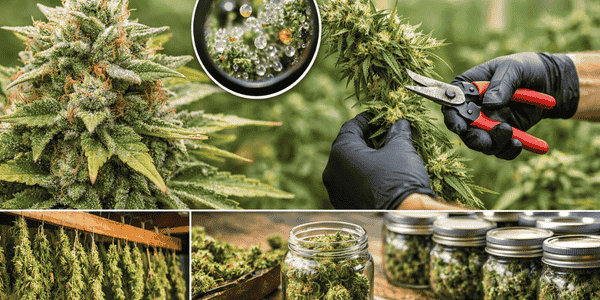
The moment when growers harvest cannabis is one of the most important stages in the entire cultivation process. Months of planting, nurturing, watering, and monitoring plants all lead to this critical point. If harvesting is done too early, the plant may not reach its full potency and flavor. If it happens too late, the cannabinoids and terpenes may degrade, reducing overall quality.
Understanding how and when to harvest cannabis properly is essential for both small-scale growers and large commercial cultivators. The process is not simply cutting plants and drying them. Instead, it involves careful observation, proper techniques, and post-harvest handling that preserve the plant’s chemical profile and maximize its value.
In modern cannabis cultivation, harvesting is considered both a science and an art. Growers must read visual signals from the plant, monitor environmental conditions, and use proper trimming and curing techniques. This guide explains everything you need to know about how professionals and home growers successfully harvest cannabis while maintaining quality, potency, and aroma.
Understanding the Cannabis Harvest Stage
Before growers can harvest cannabis, they must understand what happens during the plant’s final growth stage. Cannabis plants move through several phases: germination, vegetative growth, flowering, and finally harvest.
During the flowering stage, cannabis plants produce buds that contain cannabinoids such as THC and CBD. These compounds develop inside resin glands called trichomes. As the plant matures, trichomes change in color and chemical composition, which signals when the plant is ready for harvest.
The harvest window is typically short, which means timing plays a crucial role. Experienced growers observe physical changes in the plant to determine when the ideal harvest moment has arrived.
Signs That It Is Time to Harvest Cannabis
Recognizing the correct harvest time is one of the most important skills a cultivator can develop. Several visible indicators help determine when to harvest cannabis.
Trichome Color Changes
Trichomes are tiny, crystal-like glands that cover cannabis buds. They hold most of the plant’s cannabinoids and aromatic oils.
Growers often examine trichomes using a magnifying glass or microscope. When trichomes appear clear, the plant is still immature. Milky or cloudy trichomes usually indicate peak THC levels. Amber trichomes signal that cannabinoids are beginning to degrade.
Many growers choose to harvest cannabis when the trichomes are mostly cloudy with a small percentage turning amber. This stage usually produces balanced potency and flavor.
Pistil Color and Appearance
Pistils are the hair-like structures on cannabis buds. Early in the flowering stage they appear white and straight. As the plant matures, pistils gradually darken and curl inward.
When around 70–90% of the pistils have darkened, it is often a sign that it may be time to harvest cannabis. However, pistils alone should not be the only indicator because environmental factors can influence their color.
Leaf Changes
Another indicator is the condition of the plant’s leaves. Toward the end of the flowering cycle, large fan leaves may turn yellow as the plant uses stored nutrients to finish producing buds. This natural process often occurs shortly before growers harvest cannabis.
Preparing for the Cannabis Harvest
Preparation is an important step before actually cutting plants. Proper planning ensures that the harvest process runs smoothly and helps maintain bud quality.
Cleaning Tools and Workspace
Growers should use sharp pruning shears or trimming scissors when they harvest cannabis. Clean tools reduce contamination and make cuts cleaner. A sanitized workspace also prevents mold or bacteria from affecting freshly harvested buds.
Controlling the Environment
Environmental conditions during harvest can affect the final product. Ideally, the room should have moderate humidity and cool temperatures. Good airflow is important because freshly cut cannabis plants release moisture that can encourage mold if not managed properly.
Flushing Before Harvest
Many growers flush their plants with plain water for one to two weeks before they harvest cannabis. Flushing removes excess nutrients from the plant’s growing medium, which can improve the flavor and smoothness of the final product.
Techniques to Harvest Cannabis
There are different methods growers use to harvest cannabis, and each method has its advantages depending on the scale of cultivation and desired results.
Whole Plant Harvest
Some cultivators cut the entire plant at the base and hang it upside down to dry. This method allows the plant to dry slowly, which can preserve terpenes and improve flavor.
Whole plant harvesting is common in smaller grow operations because it requires less immediate trimming and can simplify the process when growers harvest cannabis.
Branch-by-Branch Harvest
Another approach is cutting individual branches instead of the entire plant. This technique can help control drying speed and allows growers to remove mature branches while leaving others to continue developing.
Commercial growers sometimes prefer this method when they harvest cannabis because it offers more flexibility and control over the harvest timing.
Selective Bud Harvest
In some cases, growers harvest only the top buds first. These buds often mature faster due to better light exposure. Lower buds may need additional time to reach full maturity.
Selective harvesting ensures that every part of the plant reaches its best potential before growers fully harvest cannabis.
Trimming After Harvest
Once plants are cut, trimming becomes the next major step. Trimming removes excess leaves and shapes the buds for drying and curing.
Wet Trimming
Wet trimming happens immediately after growers harvest cannabis, while the plant is still fresh. Leaves are easier to remove at this stage, and the buds dry faster.
However, wet trimming requires more handling during harvest, which can sometimes damage delicate trichomes if not done carefully.
Dry Trimming
Dry trimming occurs after the plant has partially dried. Some growers prefer this method because it protects trichomes and slows down the drying process, preserving more aroma and flavor.
The choice between wet and dry trimming often depends on climate conditions and personal preference when growers harvest cannabis.
Drying Cannabis Properly
Drying is a crucial stage that follows the moment growers harvest cannabis. Without proper drying, buds may develop mold or lose their desired chemical profile.
Cannabis should be dried slowly in a dark room with controlled humidity and good airflow. Temperatures that are too high can damage cannabinoids and terpenes.
The drying process typically takes about one to two weeks. During this time, stems gradually lose moisture and become brittle enough to snap rather than bend. This usually indicates the buds are ready for the next step.
The Importance of Curing Cannabis
Curing is the final stage after growers harvest cannabis and dry the buds. It improves flavor, smoothness, and overall quality.
Buds are usually stored in airtight glass jars and opened periodically to release moisture. This process allows internal moisture to distribute evenly and prevents mold growth.
Proper curing can take several weeks, and some cultivators cure cannabis for months to achieve the best results. The longer curing period allows complex aromas and flavors to develop fully.
Tips for a Successful Cannabis Harvest
Harvesting cannabis successfully requires patience, observation, and careful handling. A few practical tips can make a significant difference.
Growers should always monitor trichomes closely instead of relying on a fixed harvest date. Environmental conditions can influence how quickly plants mature.
Handling buds gently during the harvest process helps protect trichomes, which contain most of the plant’s valuable compounds. Rushing through trimming or drying may reduce the final quality.
Another important tip when growers harvest cannabis is maintaining clean tools and workspaces. Hygiene prevents contamination and protects the harvest from mold or pests.
Conclusion
Learning how to properly harvest cannabis is essential for anyone involved in cannabis cultivation. The timing of the harvest, the techniques used, and the post-harvest processes all influence the final product’s potency, flavor, and overall quality.
Successful growers pay close attention to plant signals such as trichome color, pistil changes, and leaf conditions before making the decision to harvest. Once the plants are cut, careful trimming, drying, and curing ensure that the buds maintain their valuable cannabinoids and aromatic terpenes.
Whether you are a home grower experimenting with small plants or a professional cultivator managing large crops, mastering the process to harvest cannabis can significantly improve the quality of the final product. With patience, proper techniques, and attention to detail, growers can transform months of hard work into high-quality cannabis ready for use or distribution.