
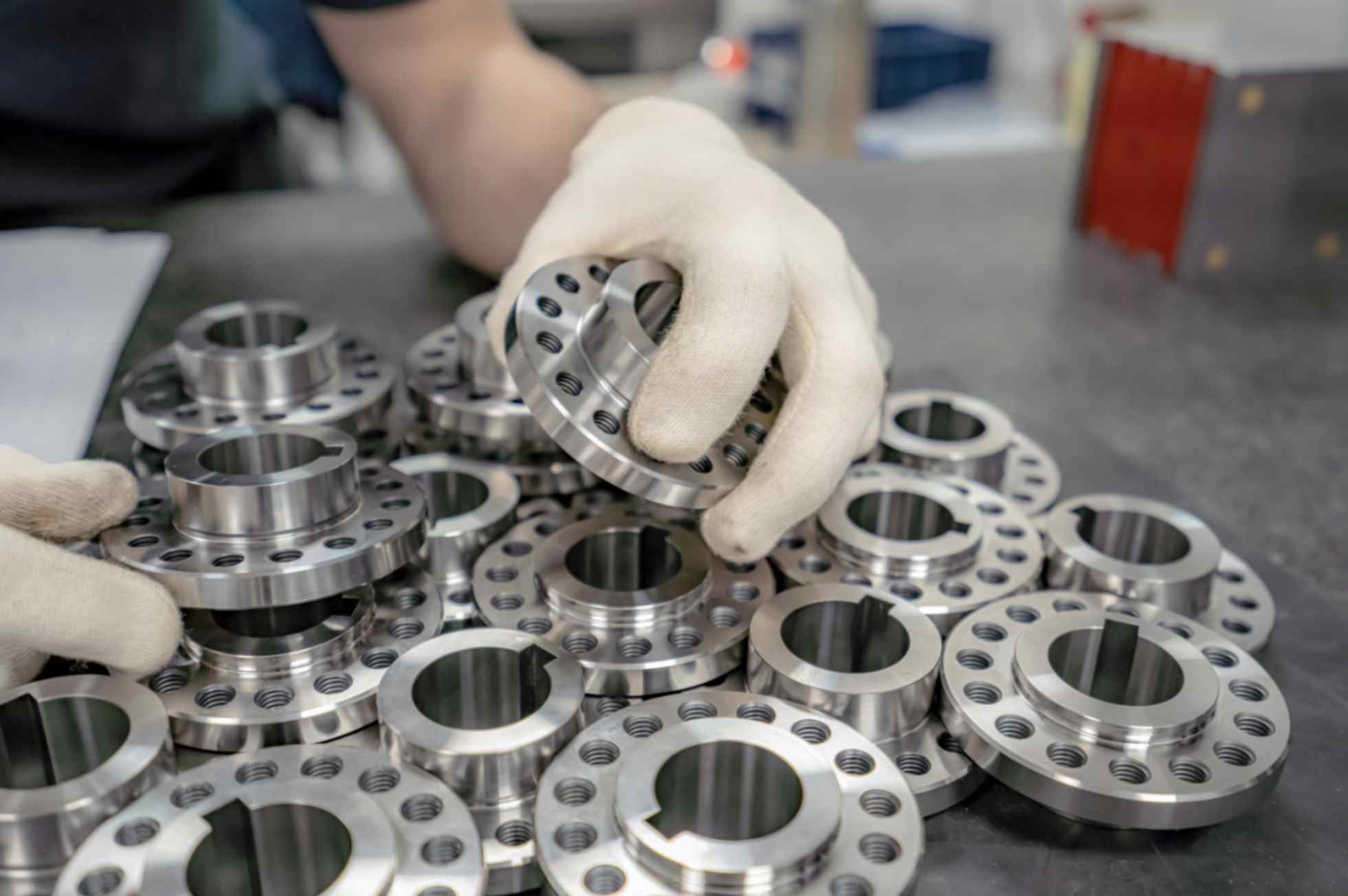
Industrial machinery depends heavily on the reliability of its components, and bearings play a critical role in ensuring smooth mechanical movement. Bearings reduce friction, support heavy loads, and enable machines to operate efficiently in demanding environments. Industries such as construction, oil and gas, manufacturing, marine, and logistics rely on high performance bearings to maintain productivity and minimize downtime. This is why bearing manufacturers in UAE place a strong focus on quality control, durability, and advanced engineering practices to produce reliable industrial bearings that perform well under extreme conditions.
The Importance of Quality in Industrial Bearings
Bearings may appear to be small mechanical components, but their performance directly affects the efficiency and lifespan of entire machines. Poor quality bearings can lead to equipment failure, higher maintenance costs, and unplanned production shutdowns. For industries operating heavy machinery, these failures can result in significant financial losses.
Manufacturers therefore emphasize precision engineering, material strength, and strict testing procedures. High quality bearings must maintain performance under heavy loads, high speeds, extreme temperatures, and exposure to dust or moisture. When produced with proper engineering standards, bearings can operate for long periods without frequent replacement.
Durability is equally important. Industrial equipment often runs continuously for long hours. Bearings must maintain structural integrity even when subjected to vibration, pressure, and constant rotation. To achieve this level of reliability, manufacturers adopt advanced manufacturing technologies and quality assurance processes.
Raw Material Selection and Material Engineering
High Grade Steel and Alloys
The first step in producing durable industrial bearings is selecting the right materials. Most bearings are made using specialized high carbon chromium steel, which provides excellent hardness, wear resistance, and fatigue strength. This type of steel helps bearings handle repeated stress cycles without cracking or deforming.
Manufacturers carefully inspect raw materials before production begins. Steel quality, chemical composition, and purity are checked to ensure they meet strict industrial standards. Even small impurities can reduce bearing life, so quality checks at this stage are essential.
Heat Treatment for Strength
Heat treatment is another critical process that improves the durability of bearings. Through controlled heating and cooling cycles, the steel structure becomes stronger and more resistant to wear. Proper heat treatment enhances hardness while maintaining the toughness required to prevent brittle fractures.
Manufacturers use advanced furnaces and temperature monitoring systems to ensure consistent heat treatment results. This process improves fatigue resistance, allowing bearings to perform well in heavy industrial machinery.
Precision Manufacturing Processes
Advanced Machining Techniques
Precision plays a vital role in bearing performance. Even tiny dimensional errors can increase friction, vibration, or premature wear. Manufacturers use advanced machining tools and automated equipment to achieve extremely accurate dimensions.
Computer controlled machining systems help maintain tight tolerances during production. These machines ensure that each component of the bearing fits perfectly with others, reducing mechanical stress during operation.
Surface Finishing and Grinding
After initial machining, bearing components undergo grinding and finishing processes to achieve smooth surfaces. Smooth surfaces reduce friction and allow the bearing to rotate efficiently.
High precision grinding machines remove microscopic imperfections from the metal surfaces. This ensures that rolling elements move smoothly within the bearing structure, which improves efficiency and reduces heat generation.
Surface finishing also helps distribute lubrication evenly, preventing premature wear and improving the overall lifespan of the bearing.
Quality Control and Testing Procedures
Dimensional Inspection
Quality assurance is a major priority in bearing manufacturing. Each component is inspected to ensure it meets design specifications. Measurements are taken using specialized instruments that can detect even the smallest deviations from required dimensions.
Automated inspection systems are often used to analyze multiple parameters quickly and accurately. These systems help maintain consistent product quality across large production batches.
Load and Performance Testing
Before bearings are delivered to industrial users, they undergo performance testing. These tests simulate real operating conditions such as high speed rotation, heavy loads, and temperature fluctuations.
Engineers evaluate factors like friction levels, noise, vibration, and heat generation during testing. Bearings that fail to meet performance standards are rejected to ensure only reliable products reach the market.
Durability and Fatigue Testing
Bearings are also tested for fatigue resistance. Fatigue occurs when repeated stress cycles cause microscopic cracks that eventually lead to failure. Manufacturers simulate long term operating conditions to analyze how bearings perform over extended periods.
These tests help determine the expected lifespan of the bearing and confirm its suitability for demanding industrial applications.
Lubrication Technology and Friction Reduction
Importance of Proper Lubrication
Lubrication plays a crucial role in bearing durability. Proper lubrication reduces friction between moving surfaces, prevents overheating, and protects components from corrosion.
Manufacturers design bearings with lubrication channels and grooves that help distribute lubricant evenly throughout the bearing structure. This ensures consistent protection during operation.
Advanced Lubricant Compatibility
Different industries require different lubrication solutions. Some applications involve high temperatures, while others may operate in dusty or wet environments. Bearings must therefore be compatible with specialized lubricants designed for specific conditions.
Manufacturers conduct compatibility tests to ensure that bearings perform efficiently with different lubricant types. Proper lubrication management greatly extends the operational life of industrial bearings.
Corrosion Resistance and Environmental Protection
Protective Coatings
Industrial environments can be harsh. Bearings used in marine, construction, or chemical industries may be exposed to moisture, salt, or corrosive substances. To prevent damage, manufacturers apply protective coatings that improve corrosion resistance.
These coatings form a barrier between the metal surface and external contaminants. As a result, bearings maintain their structural integrity even in challenging operating environments.
Sealing Technology
Seals are another important component that protects bearings from contamination. Dust, dirt, and water can enter the bearing structure and cause damage if proper sealing is not used.
Modern bearings often include advanced sealing designs that block contaminants while allowing smooth rotation. These seals help maintain lubrication and prevent internal wear.
Continuous Research and Engineering Improvements
Innovation in Bearing Design
Industrial requirements continue to evolve, and bearing manufacturers constantly invest in research and development. Engineers work on improving bearing designs to increase load capacity, reduce friction, and extend lifespan.
Innovations may include optimized internal geometries, improved rolling elements, or advanced cage materials. These design improvements help bearings operate more efficiently under demanding conditions.
Integration of Automation and Smart Manufacturing
Automation has significantly improved manufacturing accuracy and consistency. Robotic systems and automated inspection equipment reduce human error and ensure uniform quality across production batches.
Smart manufacturing technologies also allow manufacturers to monitor production parameters in real time. This helps detect potential defects early in the process and maintain consistent product quality.
Application Specific Customization
Not all industrial machinery requires the same type of bearing. Different applications require different sizes, materials, load capacities, and lubrication systems. Manufacturers therefore provide customization options to meet the specific needs of various industries.
Engineers work closely with equipment designers to understand operational requirements. Based on these requirements, bearings may be designed to withstand extreme speeds, heavy loads, or harsh environmental conditions.
Customization ensures that bearings perform optimally within their intended applications, improving efficiency and reducing maintenance requirements.
The Role of Skilled Engineering and Workforce Expertise
Behind every high quality bearing is a team of skilled engineers and technicians. Expertise in materials science, mechanical engineering, and manufacturing processes is essential for producing reliable industrial components.
Engineers analyze performance data, improve production techniques, and develop new designs that enhance durability. Technicians operate precision machinery and maintain strict quality standards throughout the manufacturing process.
Continuous training programs help workers stay updated with the latest technologies and industry practices. This commitment to expertise ensures that bearings meet the demanding expectations of industrial users.
Final Thought
Industrial machinery relies on durable, high performance components to maintain productivity and safety. Bearings are among the most critical parts within these systems, and their quality directly impacts machine reliability and operational efficiency. Through careful material selection, advanced manufacturing processes, strict testing procedures, and continuous engineering innovation, bearing manufacturers in UAE ensure that industrial bearings meet the highest standards of durability and performance. Their commitment to quality helps industries operate smoothly, reduce maintenance costs, and maintain long term operational stability.