
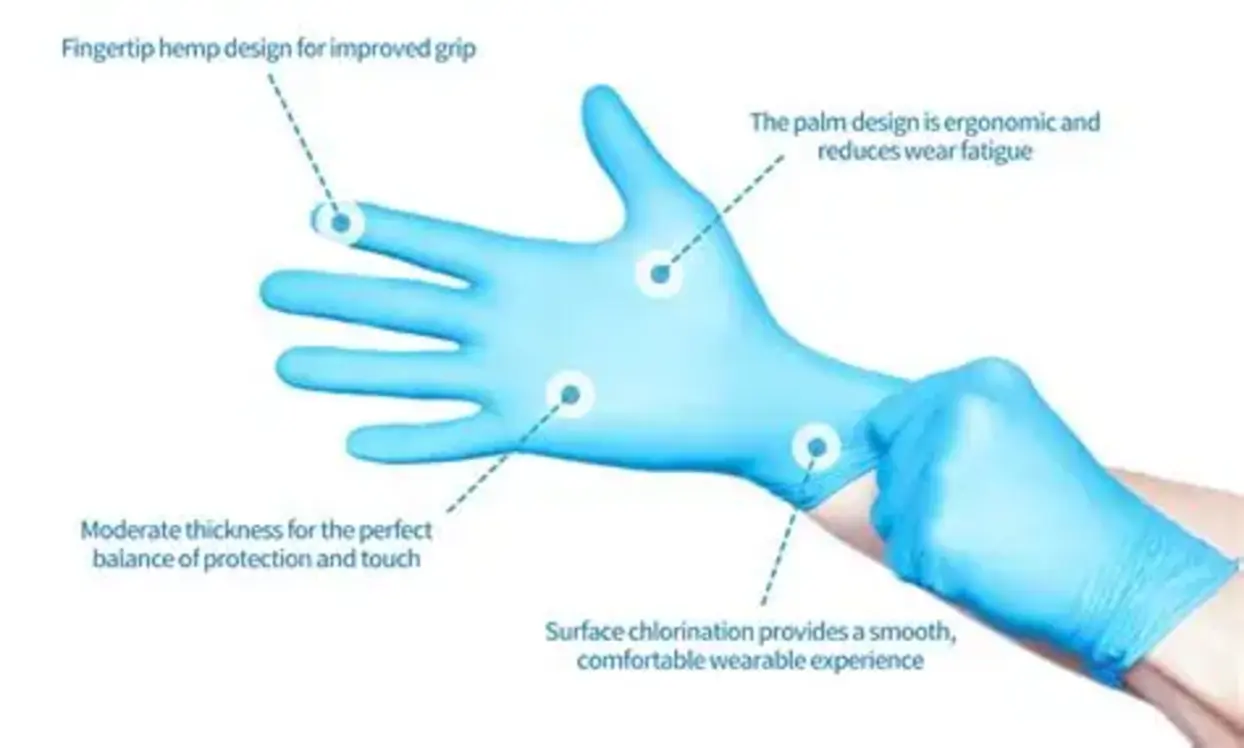
In modern healthcare environments, maintaining strict hygiene standards is essential to protect both patients and medical professionals. Hospitals perform a wide range of procedures every day—from routine examinations to complex surgeries—and each step requires proper infection control measures. One of the most important protective tools used in these environments is nitrile gloves.
Nitrile gloves have become a preferred choice in hospitals because of their durability, chemical resistance, and high level of protection against contaminants. Compared with traditional latex gloves, nitrile gloves offer enhanced safety and reliability, making them indispensable during critical medical procedures.
The Importance of Protective Gloves in Healthcare
Medical professionals frequently come into contact with blood, bodily fluids, and potentially infectious materials. Without proper protective barriers, these exposures could lead to cross-contamination and the spread of infections.
Disposable medical gloves act as a protective layer between healthcare workers and patients. They help prevent the transmission of harmful microorganisms, protect open wounds from contamination, and maintain sterile conditions during medical procedures.
Among the various types of disposable gloves available today, nitrile gloves are widely recognized for their superior performance in demanding clinical environments.
Why Hospitals Prefer Nitrile Gloves
Hospitals require gloves that can withstand intense use without compromising safety. Nitrile gloves are made from synthetic rubber, which gives them several advantages over other glove materials.
1. Superior Puncture Resistance
Medical procedures often involve sharp instruments such as needles, scalpels, and surgical tools. Nitrile gloves provide excellent puncture resistance compared to latex or vinyl gloves, reducing the risk of accidental exposure to hazardous substances.
This durability makes nitrile gloves ideal for procedures such as blood collection, wound treatment, and laboratory testing where precision and protection are critical.
2. Latex-Free Safety
Latex allergies are a well-known concern in healthcare environments. Both patients and healthcare workers can experience allergic reactions when exposed to latex proteins found in traditional gloves.
Because nitrile gloves are completely latex-free, they significantly reduce the risk of allergic reactions. This makes them a safer choice for hospitals aiming to create a comfortable and inclusive medical environment.
3. Strong Chemical Resistance
Hospitals use a variety of chemicals for cleaning, sterilization, and laboratory analysis. Nitrile gloves offer excellent resistance to many chemicals, including disinfectants and solvents.
This protective feature allows medical professionals to safely handle cleaning agents, laboratory reagents, and medications without compromising hand protection.
Supporting Sterile Medical Procedures
Maintaining sterility during medical procedures is essential for preventing infections. Nitrile gloves play a key role in preserving sterile environments during various medical tasks.
Surgical Assistance
During surgical operations, every detail matters. Surgeons and surgical assistants rely on gloves that offer both tactile sensitivity and strong barrier protection. High-quality nitrile gloves allow medical teams to perform delicate tasks while maintaining strict hygiene standards.
Patient Examination
Doctors and nurses routinely perform physical examinations that involve direct contact with patients. Nitrile gloves ensure that these interactions remain hygienic and safe. By preventing the transfer of bacteria and viruses, gloves help protect both the healthcare provider and the patient.
Laboratory Testing
Hospitals conduct numerous laboratory tests to diagnose diseases and monitor patient health. Laboratory technicians frequently handle biological samples such as blood, urine, and tissue specimens. Nitrile gloves provide reliable protection against contamination while allowing technicians to perform precise work.
Comfort and Flexibility for Medical Staff
Medical professionals often wear gloves for extended periods during long shifts. Comfort is therefore an important factor when selecting protective gloves.
Nitrile gloves are designed to fit snugly around the hands while maintaining flexibility and comfort. Modern manufacturing techniques allow nitrile gloves to mimic the elasticity of latex while providing improved strength.
This balance between flexibility and durability enables healthcare workers to maintain dexterity when handling medical instruments, writing notes, or operating equipment.
Enhancing Infection Control Protocols
Hospitals implement strict infection control protocols to minimize the spread of diseases within healthcare facilities. Disposable nitrile gloves are a key component of these safety procedures.
When used correctly—combined with proper hand hygiene and disposal practices—nitrile gloves significantly reduce the risk of cross-contamination between patients, staff, and medical equipment.
Healthcare workers are trained to replace gloves between patient interactions and after performing specific procedures. This practice helps maintain a clean and controlled medical environment.
Cost Efficiency and Reliability
Although hospitals prioritize safety above all else, cost efficiency also plays a role in selecting medical supplies. Nitrile gloves provide an excellent balance between quality and durability.
Because they are strong and resistant to tearing, nitrile gloves tend to last longer during use. This reliability reduces waste and ensures that healthcare workers can complete procedures without interruption.
Furthermore, the widespread availability of nitrile gloves makes them a practical choice for hospitals managing large volumes of medical supplies.
The Future of Protective Medical Gloves
Advancements in glove manufacturing continue to improve the performance of nitrile gloves. New technologies are making gloves thinner, stronger, and more comfortable while maintaining high levels of protection.
Some modern nitrile gloves also feature textured fingertips for improved grip, enhanced chemical resistance, and eco-friendly production processes. These innovations help healthcare facilities maintain high safety standards while adapting to evolving medical challenges.
Conclusion
Nitrile gloves have become an essential tool in hospitals worldwide. Their durability, chemical resistance, and latex-free composition make them ideal for supporting critical medical procedures.
From surgical assistance and patient examinations to laboratory testing and infection control, nitrile gloves provide reliable protection that healthcare professionals depend on every day. As hospitals continue to prioritize safety and hygiene, the role of nitrile gloves in modern healthcare will remain indispensable.
Pabrik sarung tangan: mitrasaruta.com – By choosing high-quality nitrile gloves, medical institutions can ensure better protection for both healthcare workers and patients while maintaining the highest standards of clinical care.