
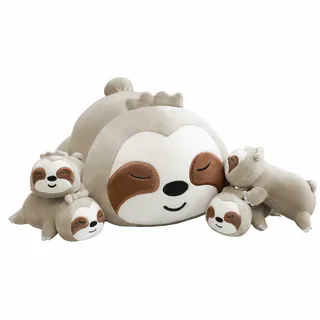
Stuffed animal toys hold a special place in the hearts of children and collectors alike. From soft teddy bears to unique custom creations, these toys bring comfort, joy, and nostalgia. However, over time, stuffed animal toys can become worn, faded, or damaged if not properly cared for. Understanding the best methods to clean, store, and maintain these beloved toys can greatly extend their lifespan. By following a few simple steps, you can ensure your stuffed animal toys remain soft, vibrant, and in excellent condition for years to come.
Regular Cleaning and Maintenance
Regular cleaning is one of the most crucial aspects of caring for stuffed animal toys. Dust, dirt, and skin oils can accumulate on the surface, causing them to look dull or feel rough. A gentle routine cleaning, such as using a soft brush or vacuum with a brush attachment, can remove dust and prevent it from settling deep into the fabric. For stuffed animal toys that are used frequently, it’s recommended to wipe them down weekly to maintain their softness and hygiene.
In addition to surface cleaning, spot cleaning can address small stains without risking damage to the toy. Use a mild soap or detergent mixed with water and gently blot the affected area with a clean cloth. Avoid soaking the stuffed animal entirely unless the care label permits it. Spot cleaning prevents the growth of bacteria and keeps your stuffed animal toys looking fresh and new.
Proper Washing Techniques
While some stuffed animal toys are machine washable, many require hand washing to prevent damage. Always check the care label before washing, as certain fabrics or embellishments may be sensitive to water or agitation. For machine-washable toys, place them in a pillowcase or laundry bag to protect them from rough handling. Use cold water and a gentle cycle to preserve the fabric and stitching.
Hand washing stuffed animal toys is often safer for delicate or vintage items. Fill a basin with cold water and a small amount of mild detergent, then gently squeeze and knead the toy to clean it. Rinse thoroughly to remove all soap residue, and press out excess water with a towel. Never wring or twist stuffed animal toys, as this can deform the stuffing and damage the seams. Proper washing techniques help your toys stay clean without sacrificing their shape or softness.
Drying and Reshaping
Drying is a critical step in stuffed animal toy care that is often overlooked. Improper drying can lead to mold, odor, or misshapen toys. After washing, gently press out excess water with a towel and reshape the toy before drying. Air drying is the safest method, as it prevents the heat damage that can occur in a dryer. Place your stuffed animal toys on a clean, dry towel in a well-ventilated area and allow them to dry completely.
For toys that require faster drying, you can use a hairdryer on a low, cool setting to help fluff the fur and speed up the process. Make sure to continually move the dryer to avoid concentrating heat on one area. Regularly reshaping the toy during drying helps maintain its original form. By drying your stuffed animal toys correctly, you can avoid damage and keep them soft and cuddly.
Safe Storage Practices
Proper storage is essential for prolonging the life of stuffed animal toys. Exposure to direct sunlight can fade colors, while damp or humid environments may encourage mold growth. Store your toys in a dry, cool place away from windows and heat sources. Using clear plastic bins or fabric storage bags can keep dust and pests away while allowing you to see your collection easily.
For collectors with many stuffed animal toys, avoid overcrowding shelves or bins. Overcrowding can crush delicate shapes and cause stitching to weaken. Instead, organize toys in a way that allows air circulation and keeps each piece supported. Additionally, consider rotating toys that are frequently played with to prevent excessive wear. By storing your stuffed animal toys properly, you protect both their appearance and structural integrity.
Repair and Maintenance Tips
Even with careful cleaning and storage, stuffed animal toys can experience wear over time. Loose seams, missing buttons, or flattened stuffing are common issues that can be easily fixed at home. Using a needle and thread, you can repair small tears and reinforce weak areas to prevent further damage. For toys with flattened stuffing, gently fluff or add additional polyester fiberfill to restore their original shape.
Maintaining stuffed animal toys also involves occasional brushing or combing for long-haired varieties. This prevents tangling and matting, keeping the toy soft and visually appealing. For collectors, keeping a maintenance journal to track cleaning and repairs can help ensure that no toy is neglected. Regular repair and upkeep not only extend the life of stuffed animal toys but also preserve the sentimental and monetary value of your collection.
Caring for stuffed animal toys may seem like a small task, but the benefits are long-lasting. By cleaning, washing, drying, storing, and repairing your toys properly, you can enjoy them for many years while keeping them in pristine condition. Whether for a child’s favorite companion or a cherished collector’s item, following these steps ensures that your stuffed animal toys remain soft, beautiful, and huggable for generations to come.