
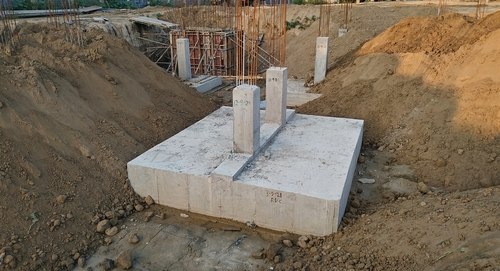
Every strong and safe building begins with a solid foundation. A foundation supports the weight of the structure and keeps it stable for many years. One of the most common and dependable types of foundations is the spread footing. Spread footings are widely used in residential, commercial, and industrial construction because they are simple, cost-effective, and strong.
In this blog, we will explain what a spread footing is, how it works, its types, design and construction process, and the benefits it provides. We will keep the language simple and easy to understand.
What Is a Spread Footing?
A spread footing is a type of shallow foundation that spreads the weight of a building or structure over a larger area of soil. By spreading the load, it ensures that the soil does not become overloaded. This reduces the risk of settlement, tilting, or damage to the building.
In simple terms, you can think of a spread footing as a platform under columns, walls, or piers that distributes the weight evenly to the ground. The wider the footing, the more weight it can safely carry.
Spread footings are typically made of reinforced concrete. The reinforcement, usually steel bars, adds strength to resist bending and tension forces while the concrete handles the compression forces.
How Spread Footing Works
When a building stands on soil, it applies pressure on the ground. If the soil cannot support this weight, the building may settle unevenly. This can cause cracks, tilting, or even structural failure.
A spread footing solves this problem by:
-
Increasing the contact area – More area reduces pressure on the soil.
-
Distributing the load evenly – Spreads the weight over a wider surface.
-
Preventing excessive soil stress – Keeps soil pressure within safe limits.
By spreading the load, spread footings ensure that the structure remains stable and durable.
Types of Spread Footings
Spread footings come in several types depending on the design, load, and soil conditions.
1. Isolated Footing
-
Supports a single column.
-
Usually square or rectangular in shape.
-
Common for buildings with multiple columns spaced apart.
-
Simple and cost-effective for small and medium structures.
2. Combined Footing
-
Supports two or more columns when they are too close together for separate footings.
-
Rectangular or trapezoidal in shape.
-
Spreads the load of multiple columns evenly to the soil.
-
Often used near property lines where space is limited.
3. Strip Footing
-
Supports a continuous wall or row of columns.
-
Long and narrow in shape, following the wall’s length.
-
Commonly used in residential load-bearing walls.
-
Distributes the load along the wall evenly.
4. Mat or Raft Footing
-
Supports an entire building or heavy structure over a large area.
-
Used when soil has low bearing capacity.
-
Reduces differential settlement across the structure.
-
Ideal for large commercial or high-rise buildings.
Design Considerations for Spread Footing
Proper design is critical to ensure a safe and long-lasting foundation. Engineers consider several factors when designing a spread footing:
-
Soil Type and Bearing Capacity – The soil must be able to carry the weight of the building. Engineers conduct soil tests to determine safe load limits.
-
Load of the Structure – Includes dead loads (weight of building materials) and live loads (people, furniture, equipment).
-
Footing Dimensions – The width and depth are designed to distribute the load safely. Wider footings reduce soil pressure.
-
Reinforcement – Steel bars (rebar) are added to resist bending and tensile forces.
-
Water Table and Drainage – Footings must be protected from water to prevent weakening of the soil and concrete.
-
Frost Depth – In cold climates, footings are placed below the frost line to avoid movement during freezing and thawing cycles.
Materials Used in Spread Footing
The strength and durability of a spread footing depend on the quality of materials used:
-
Concrete – Provides compressive strength and durability.
-
Steel Reinforcement – Handles tensile forces and prevents cracks.
-
Gravel or Compacted Soil – Sometimes used below the footing for better stability and drainage.
Quality materials and proper mixing are essential to build a strong foundation.
Construction Process of Spread Footing
The construction of a spread footing involves several key steps:
-
Site Preparation – Clear the area, remove debris, and level the ground.
-
Excavation – Dig trenches or pits to the required width and depth according to the design.
-
Base Preparation – Lay a layer of gravel or compacted soil to provide stability.
-
Formwork Installation – Build forms using wood or metal to shape the concrete.
-
Reinforcement Placement – Place steel bars as specified in the structural drawings.
-
Concrete Pouring – Pour concrete into the forms and compact it to remove air pockets.
-
Curing – Allow the concrete to cure for several days to gain strength.
-
Backfilling – Fill soil around the footing after removing the formwork and inspection.
Following these steps carefully ensures a safe and durable foundation.
Advantages of Spread Footing
Spread footings offer several benefits, making them one of the most popular foundation types:
-
Cost-Effective – Requires less excavation and materials than deep foundations.
-
Simple Construction – Easy to design and construct with standard equipment.
-
Suitable for Moderate Loads – Ideal for low- to mid-rise buildings and residential projects.
-
Flexibility – Can support columns, walls, or multiple columns in one combined footing.
-
Even Load Distribution – Reduces soil pressure and prevents uneven settlement.
-
Durable and Long-Lasting – Properly designed spread footings can last decades without major repairs.
When to Use Spread Footing
Spread footings are best used when:
-
The soil has sufficient bearing capacity near the surface.
-
The structure is a low-rise or medium-rise building.
-
A shallow foundation is sufficient to support the load.
-
Budget considerations require a cost-effective foundation solution.
For very weak soil or heavy structures, deep foundations like pile foundations or caissons may be more suitable.
Common Mistakes to Avoid
Even a well-designed spread footing can fail if construction or planning is poor. Common mistakes include:
-
Ignoring Soil Tests – Without proper soil testing, the foundation may settle unevenly.
-
Incorrect Footing Size – Too narrow or shallow footings can overload the soil.
-
Poor Concrete Quality – Weak concrete reduces strength and durability.
-
Improper Reinforcement Placement – Missing or misaligned rebar can cause cracks.
-
Neglecting Water Drainage – Standing water can erode soil and weaken the footing over time.
Avoiding these mistakes ensures a strong, long-lasting foundation.
Applications of Spread Footing
Spread footings are used in many construction projects, such as:
-
Residential buildings – For walls and columns in houses and apartment complexes.
-
Commercial buildings – For offices, shops, and small factories.
-
Industrial facilities – For light to medium industrial structures.
-
Bridges and roads – Supports piers and abutments in smaller bridges.
-
Retaining walls – Provides stability to hold back soil.
They are versatile and reliable for a wide range of construction projects.
Conclusion
A spread footing is a simple, strong, and reliable foundation type used in residential, commercial, and industrial construction. By spreading the load of a building over a wider area, it protects the soil from excessive pressure and prevents settlement or damage.
Understanding spread footings helps engineers, contractors, and property owners build safe and long-lasting structures. Proper design, high-quality materials, and careful construction are essential to ensure that the foundation remains strong and stable for decades.