
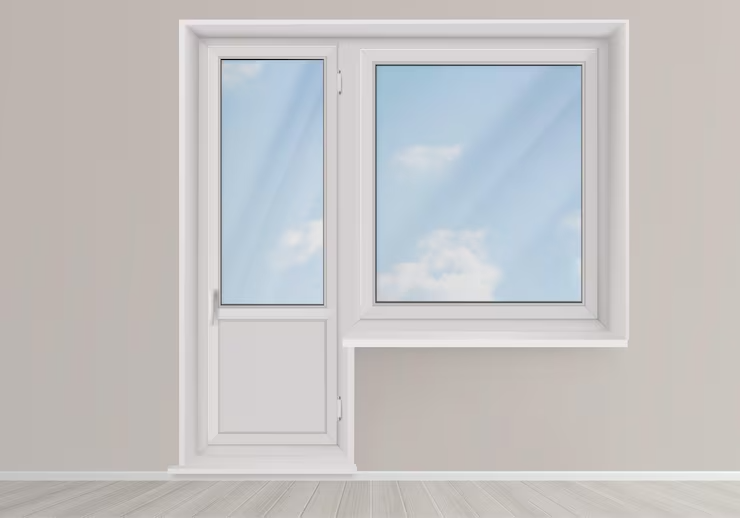
Modern housing design increasingly prioritises functionality, comfort, and efficient use of space. Architects select building elements that improve airflow, natural light, and accessibility while supporting practical layouts. Among various fenestration options, casement doors play an important role in connecting indoor and outdoor areas. A hinged opening design allows wider access and improved ventilation compared with many traditional door systems. With better airflow, natural daylight, and flexible space planning, casement doors support modern architectural design focused on efficiency, usability, and long-term residential comfort.
How Modern Architecture Defines Door Systems
Modern housing design considers door systems as an integral part of overall architectural planning. Beyond simple entry and exit points, doors influence how spaces function, interact with the environment, and support everyday usability within a home.
- Door systems influence movement patterns within interior spaces.
- Architects evaluate how doors affect airflow and indoor ventilation.
- Placement and opening direction determine how indoor areas connect with outdoor spaces.
- Façade planning considers door positioning to maintain visual balance and structural efficiency.
- During planning stages, homeowners often review multiple options, including Aluminium Sliding Doors Prices, to balance performance requirements with budget considerations.
These factors show that door systems play an important role in space planning, user comfort, and overall building efficiency. For this reason, modern architecture views door design as more than just an entry point. It is now considered an essential part of how a building performs and functions.
Functional Role of Casement Doors in Spatial Planning
Modern homes require layouts that allow easy movement and adaptable use of available space. Casement doors support this requirement through a hinged opening mechanism that creates wider and more accessible openings. Key spatial advantages include:
- Full opening clearance improves movement between connected areas.
- Smooth transitions between living spaces and balconies or patios support daily usability.
- Wider openings create a sense of openness within compact layouts.
- Flexible planning allows spaces to adapt to changing household needs.
Such functional qualities help architects design homes that remain practical and comfortable while accommodating modern lifestyle patterns.
Natural Light Considerations in Housing Design
Ventilation and daylight remain essential considerations in modern housing design. Door openings influence how air and light move through interior spaces, directly affecting indoor comfort levels. Important architectural benefits include:
- Controlled airflow that supports effective cross-ventilation.
- Wider openings that improve air circulation across rooms.
- Increased daylight entry during daytime hours.
- Reduced dependence on artificial lighting systems.
Improved ventilation helps maintain fresher indoor air, while better daylight distribution enhances visual comfort. Together, such factors contribute to healthier and more energy-conscious residential environments.
Must Read: Folding Door Design: Transforming Spaces with Modern Elegance
Structural Benefits of Aluminium Door Systems
Material choice directly affects durability, safety, and architectural flexibility. Aluminium is widely used in housing products because of its strength, stability, and long-term reliability. Important material characteristics include:
- Strong yet lightweight construction supporting larger openings.
- Resistance to corrosion and moisture exposure.
- Reliable performance in varied weather conditions across India.
- Long service life that reduces replacement needs.
- Manufacturing precision that supports accurate installation.
Such qualities allow architects to achieve structural stability while maintaining clean visual proportions that align with contemporary architectural preferences.
Energy Efficiency and Environmental Responsiveness
Energy efficiency plays a key role in modern housing planning as designers aim to reduce energy consumption without compromising comfort. Door systems contribute to this objective by improving indoor climate control. Architectural advantages include:
- Improved sealing that limits unwanted air movement.
- Reduced air leakage supporting thermal comfort.
- Better indoor temperature balance across seasonal changes.
- Support for environmentally responsible construction practices.
- Aluminium recyclability contributes to sustainable housing solutions.
Efficient fenestration choices help maintain comfortable interiors while supporting long-term environmental responsibility within the housing market.
Acoustic Performance of Modern Door Systems
Urban housing environments often experience increased noise from traffic and surrounding activity. Modern architectural planning recognises acoustic comfort as an important aspect of residential wellbeing. Properly engineered door systems, including Casement Doors, help reduce sound transmission by improving closure accuracy and effective sealing.
Reduced external noise supports relaxation, concentration, and improved indoor living conditions. As cities grow denser, sound management becomes an essential architectural requirement rather than an optional enhancement.
Door Design Supporting Contemporary Home Styles
Contemporary architecture values simplicity, balanced proportions, and functional clarity. Door systems must integrate smoothly with façade design while maintaining performance efficiency. Slim aluminium profiles support clean lines and modern visual harmony without adding unnecessary bulk. During planning, homeowners often review options such as aluminium sliding doors prices to understand cost considerations alongside design requirements.
Such systems adapt easily across apartments, independent homes, and large housing developments. Precision engineering with minimal detailing helps maintain consistency between structural performance and visual design intent, ensuring long-term architectural relevance.
Conclusion
Modern housing design prioritises comfort, efficiency, and long-term performance. Door systems influence airflow, natural light, spatial movement, and overall usability within homes. Casement doors support these architectural needs by enabling wider openings and improved ventilation between indoor and outdoor spaces. Durable materials, proper sealing, and precise engineering also help manage noise and maintain energy efficiency. These factors allow door systems to support practical layouts while contributing to comfortable, functional living environments suited to contemporary residential design.