
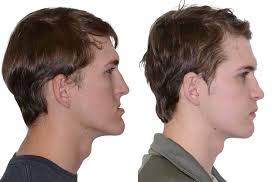
Lower jaw prominence is a condition where the mandible (lower jaw) extends forward more than the upper jaw, creating a noticeable imbalance in facial structure. This alignment often results in a concave lip profile, where the middle part of the face appears slightly recessed while the lower jaw and chin appear more prominent. In orthodontics, this condition is commonly associated with Class III malocclusion, a type of bite misalignment that can affect both oral function and facial aesthetics.
Understanding the causes and treatment options for lower jaw prominence helps patients make informed decisions about improving their bite and facial balance.
What Is Lower Jaw Prominence?
Lower jaw prominence occurs when the growth of the lower jaw outpaces the upper jaw, causing the lower teeth to sit in front of the upper teeth when biting down. This difference in jaw positioning changes the facial profile and can create a concave appearance when viewed from the side.
Orthodontists analyze jaw relationships through facial profile evaluation, dental examinations, and imaging techniques such as X-rays or cephalometric analysis. These diagnostic tools help determine whether the condition is primarily caused by dental alignment issues or skeletal jaw differences.
Causes of a Concave Lip Profile
Several factors may contribute to lower jaw prominence and concave facial profiles:
Genetic factors: Jaw structure is often inherited and may run in families.
Imbalanced jaw growth: During childhood and adolescence, the lower jaw may grow faster or further forward than the upper jaw.
Class III malocclusion: This orthodontic condition causes the lower teeth to overlap the upper teeth.
Dental positioning issues: Misaligned teeth can exaggerate the appearance of jaw prominence.
Developmental changes: Growth patterns during adolescence can influence facial proportions.
These factors can vary widely among individuals, which is why orthodontic evaluation is essential.
Signs and Symptoms
People with lower jaw prominence and a concave lip profile may experience several noticeable signs, including:
-
Forward projection of the lower jaw
-
The chin appearing more prominent than the upper lip
-
Lower teeth positioned in front of upper teeth
-
Difficulty biting or chewing food
-
Jaw discomfort or tension
-
A facial profile that curves inward when viewed from the side
While some individuals experience mainly aesthetic concerns, others may develop functional issues related to bite alignment.
Orthodontic Treatment Options
Treatment approaches depend on age, jaw development, and severity of the condition.
Early Orthodontic Intervention
For children and adolescents, orthodontists may use growth-modifying appliances to guide the development of the upper and lower jaws. Early treatment can sometimes reduce the need for more complex procedures later.
Braces or Clear Aligners
Orthodontic appliances such as traditional braces or clear aligners can reposition teeth to improve bite alignment and create better dental balance.
Orthognathic (Jaw) Surgery
In cases where the jaw discrepancy is primarily skeletal and severe, orthognathic surgery may be recommended. This procedure repositions the jaw bones to achieve proper alignment and improve facial symmetry.
Combining surgery with orthodontic treatment often provides the most effective solution for correcting significant jaw imbalances.
Importance of Early Diagnosis
Early orthodontic evaluation allows specialists to identify jaw alignment issues before they progress. Correcting lower jaw prominence not only improves chewing function and dental health but can also enhance overall facial harmony and confidence.
Regular dental visits and orthodontic assessments play a key role in detecting these concerns and planning appropriate treatment.
FAQ
1. What causes a concave lip profile?
A concave lip profile usually occurs when the lower jaw extends further forward than the upper jaw, often due to Class III malocclusion or genetic jaw structure.
2. Can braces fix lower jaw prominence?
Braces can correct tooth alignment and improve bite function, but severe skeletal jaw differences may require jaw surgery.
3. At what age should orthodontic evaluation begin?
Orthodontists often recommend the first evaluation around age seven, when jaw growth patterns become easier to assess.
4. Is treatment possible for adults with lower jaw prominence?
Yes. Adults can receive orthodontic treatment, and in some cases orthognathic surgery may be recommended to correct jaw alignment.