
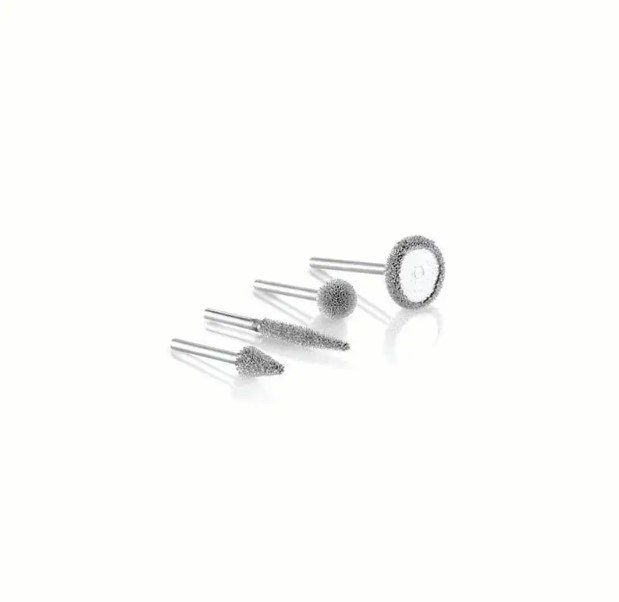
Efficient tire repair begins with proper surface preparation, and a tire buffer is essential to achieving consistent results. Contaminants, oxidation, and uneven rubber must be removed before patching or applying bonding materials. Without adequate preparation, repairs may fail prematurely, posing safety risks and leaving customers dissatisfied. Professional repair facilities rely on specialized tools to ensure precision and consistency. Investing in high-performance equipment improves workflow, reduces rework, and strengthens repair durability. Surface conditioning is not optional in commercial settings where reliability and safety standards must be consistently met.
The Role of a Tire Buffer in Repair Accuracy
A tire buffer is essential for preparing damaged areas before patch installation or vulcanization. It removes compromised rubber and creates a textured surface that enhances adhesive bonding. By controlling speed and pressure, technicians achieve uniform results without weakening the surrounding material. Consistent buffing reduces the risk of air pockets or adhesion failure. Professional-grade equipment also improves efficiency, allowing repair facilities to handle higher service volumes while maintaining quality standards.
Improving Adhesion and Longevity
Using a tire buffer significantly increases the effectiveness of repair materials. Properly buffed surfaces promote stronger chemical bonding between the patch and tire casing. This ensures that repairs withstand heat, pressure, and road stress over time. In commercial fleets and heavy-duty vehicles, durability is critical to operational safety. High-quality preparation minimizes comebacks and enhances customer trust. Facilities that prioritize precise buffing procedures establish a reputation for dependable workmanship.
Compatibility With Rubber Track Repair Kit Solutions
Repair facilities servicing heavy equipment often rely on a rubber track repair kit for restoring damaged tracks. Proper surface conditioning is equally important when preparing rubber tracks for bonding compounds. Buffing ensures that repair patches adhere securely under extreme operational stress. A clean and textured surface improves curing performance and structural integrity. By integrating advanced preparation tools with specialized kits, facilities deliver long-lasting solutions for construction and agricultural machinery.
Precision Through Tire Buffer Wheel Attachments
A tire buffer wheel attachment enhances control and efficiency during surface preparation. Designed for balanced rotation and consistent abrasion, it allows technicians to access confined or irregular areas with accuracy. Different wheel grits accommodate varying tire types and repair depths. Proper selection prevents over-buffing while ensuring sufficient roughness for bonding. Facilities equipped with specialized attachments can adapt to diverse repair needs, improving productivity without compromising safety.
Applications Beyond Standard Repairs
In addition to tire restoration, rubber buffing prepares industrial rubber components for bonding or resurfacing. Conveyor belts, molded parts, and specialty rubber products benefit from controlled abrasion before adhesive application. This versatility increases the value of professional buffing equipment within repair facilities. Expanding service capabilities strengthens revenue potential and operational flexibility. Reliable surface preparation supports consistent outcomes across multiple rubber repair applications.
Enhancing Operational Efficiency
A dependable tire buffer streamlines workflow by reducing manual preparation time. High-torque motors and an ergonomic design support continuous operation in busy environments. Faster preparation leads to quicker turnaround times and improved customer satisfaction. Facilities that invest in durable equipment experience fewer breakdowns and lower maintenance costs. Consistent performance ensures that technicians can focus on precision rather than compensating for inadequate tools.
Conclusion
High-quality preparation tools are foundational to safe and durable tire repairs. A professional-grade tire buffer improves adhesion, efficiency, and overall service reliability. By pairing buffing equipment with specialized attachments and repair materials, facilities enhance both performance and profitability. Investing in advanced tools supports long-term operational success and customer confidence. While unrelated industries such as massage school differ entirely, the importance of proper equipment remains universal in delivering professional results.