
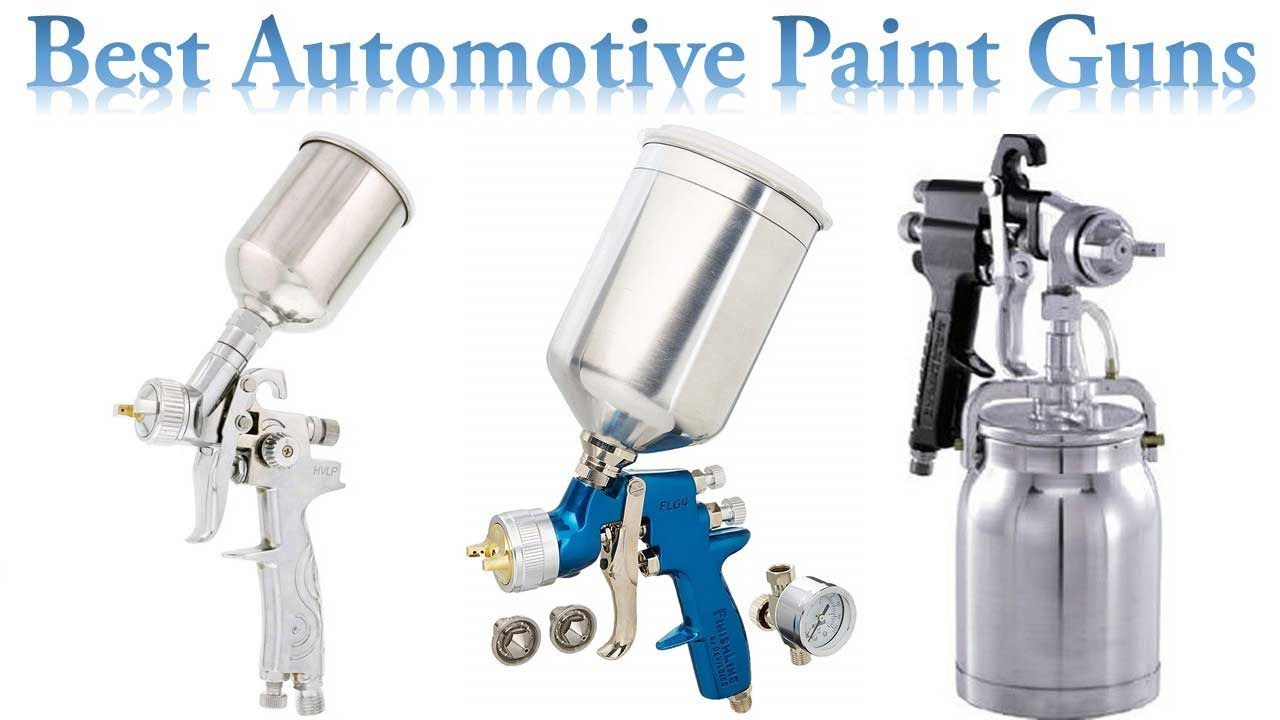
When it comes to painting cars, achieving a flawless finish isn’t just about the paint it’s about the tool delivering it. Among all the equipment in an auto body workshop, Automotive Spray Guns stand out as one of the most essential tools for achieving professional grade results. Whether you’re a seasoned body shop painter, a DIY car restorer, or simply curious about the paint process, understanding spray guns can significantly elevate your painting game.
How Automotive Spray Guns Work
At a fundamental level, spray guns atomize liquid paint into super-fine droplets and then propel them onto a surface. This atomization is typically achieved by mixing paint with high-pressure air, which breaks the fluid into an evenly distributed mist. The mist travels in a controlled fan pattern, allowing a smooth, even coat over the automotive surface.
Unlike brush or roller painting, spray guns deliver paint much faster and with better consistency especially important when resurfacing an entire car. Depending on the mechanism and design, different spray guns can be optimized for efficiency, finish quality, speed, and even environmental compliance.
Key Components of a Spray Gun
Before diving into types, it’s helpful to know the major parts that make a spray gun work:
-
Fluid Tip / Nozzle: Controls the volume of paint discharged and largely influences atomization quality. Smaller sizes suit base coats or clear coats, while larger tips are better for primers or thicker paints.
-
Air Cap: Distributes compressed air around the fluid stream to shape the fan pattern. More advanced air caps produce finer atomization and smoother finishes.
-
Paint Cup: Holds paint and can be positioned above (gravity feed), below (siphon feed), or remote (pressure feed).
-
Controls: Adjust settings such as fluid volume, air pressure, and pattern size to match the surface and material.
These elements work in harmony to determine how fine the paint mist will be, how even the coverage looks, and how much paint is wasted during application.
Types of Automotive Spray Guns
Spray guns aren’t one-size-fits-all. Each type has unique characteristics tailored to different painting needs.
1. HVLP High Volume Low Pressure
HVLP guns are among the most popular options for auto painting enthusiasts and professional shops alike. They use a high volume of compressed air at relatively low pressure, which improves paint transfer efficiency meaning more paint sticks to the surface and less becomes overspray.
Why choose HVLP?
-
Reduced paint waste and overspray.
-
Superior finish quality.
-
Cleaner blasting action for detailed work.
2. LVLP Low Volume Low Pressure
LVLP spray guns are designed to operate with less airflow than HVLP perfect if you have a smaller compressor or work in a modest garage setup. These guns still offer good atomization but are generally best suited for detail work or small-scale painting.
Advantages:
-
Works with smaller compressors.
-
Reduced overspray compared to high-pressure guns.
Limitations:
-
May require more passes for large surfaces.
-
Not as efficient as high end HVLP systems on large jobs.
3. Conventional High Pressure Guns
These are the “classic” style spray guns used in many industrial settings. They atomize paint using high air pressure, which can cover large areas quickly. However, they are also known for producing significant overspray and are less compliant with modern environmental regulations.
When to consider them:
-
Industrial or production lines where speed is the priority.
-
Environments with high ventilation and controlled paint booths.
4. Gravity Feed vs Siphon Feed vs Pressure Feed
Beyond HVLP, LVLP, and high-pressure classifications, automotive spray guns can also be categorized by how they draw paint:
-
Gravity Feed: The paint cup sits on top, letting gravity pull paint into the nozzle. These designs are efficient and require less air pressure.
-
Siphon Feed: Paint cup hangs below the gun common in older and budget models, but less efficient than gravity feed.
-
Pressure Feed: Pressurized containers deliver paint to the gun used in continuous, high-volume industrial settings.
Choosing the right feed type depends on workspace size, compressor capacity, and paint viscosity.
Electric vs Pneumatic Spray Guns

While traditional automotive spray guns are pneumatic (air-powered), electric versions are emerging, especially for hobbyists. Electric HVLP guns use a built-in turbine to generate airflow, making them more portable but they often struggle to atomize automotive paint as evenly as compressed-air systems.
Pros of electric guns:
-
Portable and easy to set up.
-
No need for a compressor.
Cons:
-
Typically not as consistent for automotive paint.
-
More maintenance and cleaning challenges.
Choosing the Right Automotive Spray Gun
Selecting the best spray gun involves several factors:
1. Match Gun to Paint Type
The type of paint you’ll use (basecoat, clearcoat, primer, etc.) determines the nozzle size and spray capability you need. Thicker paints like primer require larger tips, while fine coatings need smaller ones.
2. Consider Compressor Compatibility
Undersized compressors can lead to sputtering sprays and inconsistent results.
3. Look for Adjustable Controls
Independent controls for fan width, paint volume, and air pressure give you flexibility across different stages of painting.
4. Build Quality and Materials
Spray guns with stainless steel internals, brass nozzles, and corrosion-resistant seals typically last longer and handle aggressive automotive coatings better.
5. Ergonomics and Cleanability
A lightweight, balanced gun with easy-to-remove components improves comfort and reduces fatigue especially during longer sessions. Quick disassembly is also crucial since automotive paints dry fast and can clog the gun if not cleaned properly.
Practical Tips for Better Painting Results
Using the right automotive spray gun is only part of the equation. Here are practical tips that can elevate your finish quality:
1. Maintain Proper Distance and Speed
Hold the gun 6–8 inches from the surface and move at a consistent speed to avoid runs or uneven coats.
2. Apply Multiple Thin Coats
Instead of one heavy pass, multiple thin coats provide smoother finishes and reduce the risk of sagging.
3. Blend Edges Seamlessly
Overlap each pass slightly to ensure uniform coverage and hide transition lines.
4. Clean Regularly Between Passes
Even quick pauses should involve a spray or wipe of thinner through the gun to prevent buildup.
Conclusion
Automotive Spray Guns are powerful tools that make the difference between a DIY paint job and a professional finish. By understanding how they work, the varieties available from HVLP and LVLP to gravity and pressure feed and what factors matter most in choosing one, you can select a system that suits your skill level and project goals.
visit more about: wetelluhow