
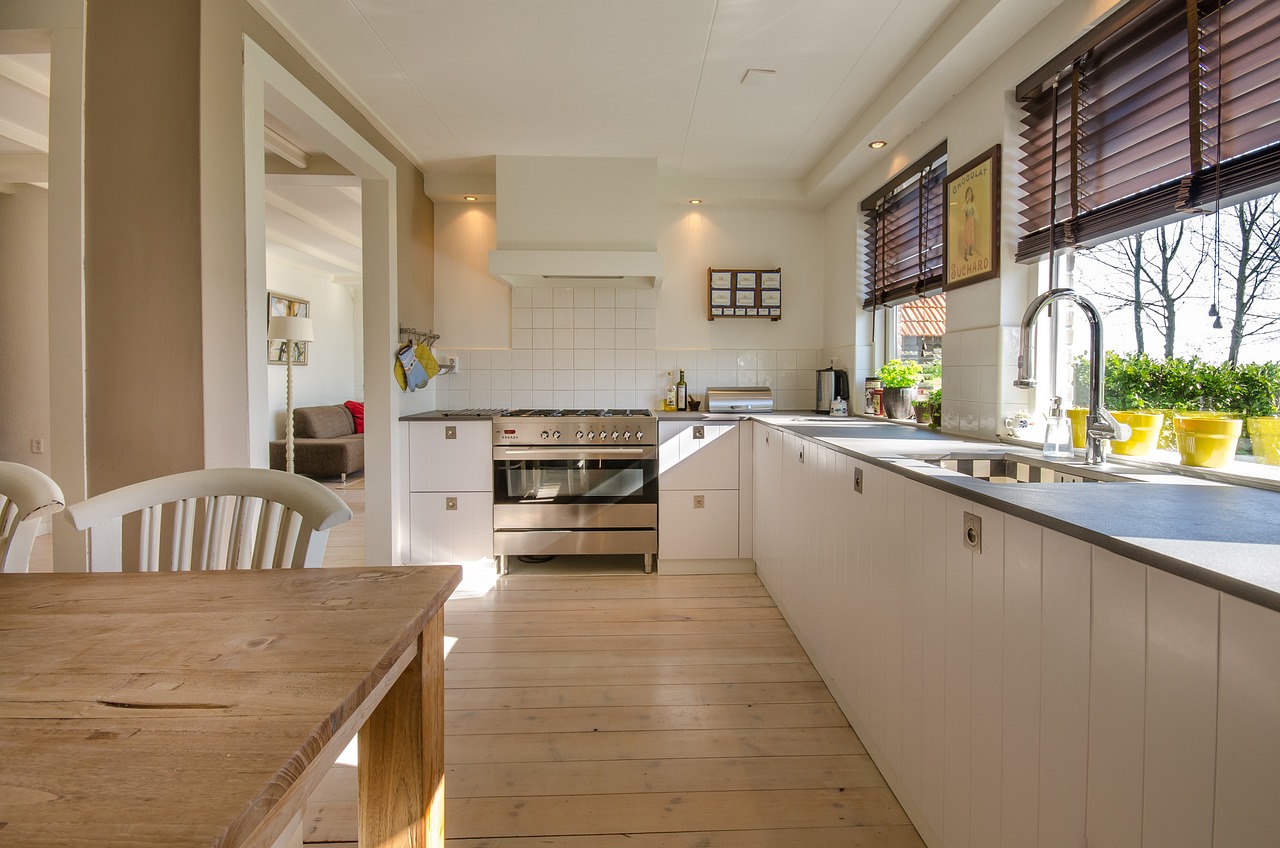
Ceramic tile gives you durable, low-maintenance surfaces that work anywhere from busy kitchens to spa-like bathrooms. Choose the right ceramic—glazed, unglazed, porcelain or mosaic—and you’ll get a finish that matches your style while standing up to traffic, moisture, and easy cleaning.
You’ll learn how types of ceramic tile suit specific applications and what to expect during installation and upkeep, so you can plan confidently for performance and appearance. Practical tips will help you pick materials, prepare surfaces, and keep tiles looking their best for years.
Ceramic Tile Types and Applications
You’ll learn which ceramic titles varieties match different rooms, how durability and water resistance affect selection, and practical installation or maintenance considerations. Focus on performance metrics like PEI ratings, water absorption, and slip resistance for best results.
Ceramic vs. Porcelain Tile
Porcelain is a type of ceramic made from finer clay and fired at higher temperatures. Expect lower water absorption (<0.5%), greater hardness, and better freeze-thaw resistance from porcelain, which suits exterior use and high-traffic floors.
Unglazed ceramic (red- or white-body) offers natural texture and better slip grip but usually has higher porosity. Glazed ceramic adds color and stain protection; choose a durable glaze and a suitable PEI rating (PEI 3+ for most residential floors).
If you need large-format, thin tiles or a stone look, porcelain typically performs better. For interior walls or low-traffic areas, glazed ceramic provides the most economical and decorative option.
Floor Tile Options
Select tiles based on traffic, moisture, and cleaning needs. Use PEI 4–5 porcelain in commercial or busy kitchen areas; PEI 3 glazed ceramic is fine for most home bedrooms and living spaces.
Look at slip resistance (R-rating or COF) for wet zones: choose higher COF or textured unglazed tiles near showers and entries. Porcelain excels where you need durability and minimal maintenance; ceramic can be cheaper and easier to cut for DIY installs.
Consider size and grout lines: larger tiles reduce grout area but need flatter subfloors. For heated floors, both porcelain and ceramic work, but porcelain transfers heat more uniformly. Match tile thickness and finish to your underlayment and traffic expectations.
Wall and Backsplash Uses
Walls let you prioritize appearance and ease of cleaning over heavy-duty durability. Glazed ceramic tiles dominate backsplashes because they resist stains, wipe clean easily, and come in many colors and patterns.
Use smaller mosaic tiles or pre-grouted panels to simplify installation behind sinks or stoves. For bathroom walls, standard glazed ceramic is sufficient; in steam rooms or shower surrounds, pick tiles with appropriate water resistance and use waterproof backing and grout.
If you want a textured or rustic look, unglazed tiles offer tactile depth but require sealing. For accent walls, large-format porcelain or decorative glazed ceramic both work; choose adhesives and grout color to complement the finish and expected moisture exposure.
Installation and Maintenance
You’ll need proper subfloor prep, correct grout and sealants, and a regular cleaning routine to keep ceramic tile durable and attractive. Follow the steps below to ensure tiles set correctly and stay stain- and water-resistant over time.
Preparation and Surface Requirements
Measure the space and buy 10–15% extra tile to cover cuts and waste. Confirm the substrate is flat within 1/4″ over 10′, clean, and free of grease or loose material.
For floors, use a cement backer board or uncoupling membrane over plywood to prevent movement cracks. For concrete, repair cracks and confirm the slab is fully cured and dry.
Choose thin-set mortar rated for ceramic tile and your substrate; use modified thin-set on plywood and polymer-modified on concrete when recommended. Spread mortar with a notched trowel sized to the tile — larger tiles need larger notches for full coverage.
Create consistent spacings with appropriate tile spacers and check alignment frequently. Stagger joints if using rectangular tiles to reduce visible lippage and stress points.
Grouting and Sealing
Allow thin-set to cure fully, typically 24–72 hours, before grouting. Select grout type by joint width: unsanded for joints under 1/8″, sanded for wider joints. Mix grout to a creamy consistency and apply with a rubber float at a 45° angle.
Wipe excess grout with a damp sponge in circular motions; finish cleaning once grout firms but before it hardens completely to avoid haze. For porous or light-colored tiles and absorbent grout, apply a penetrating sealer to grout lines and unglazed tiles after curing (wait manufacturer-recommended time, often 48–72 hours).
Use a high-quality silicone caulk at changes of plane (tile to tub, floor to wall) rather than grout to allow movement. Re-caulk when you see cracks or delamination.
Cleaning and Longevity
Sweep or vacuum regularly to remove grit that abrades tile and grout. Clean spills promptly with a damp cloth and pH-neutral cleaner; avoid harsh acids or high-alkaline cleaners that can dull glaze and degrade grout.
For routine cleaning, use a microfiber mop and a diluted neutral cleaner; rinse with clean water to remove residue. For grout maintenance, apply a grout cleaner and scrub with a stiff brush for stains; reseal grout every 1–3 years depending on traffic and stain exposure.
Address chips or cracked tiles immediately: remove the damaged tile, clean the area, and reset a replacement with thin-set to prevent moisture ingress and substrate damage.
 John Ryan