
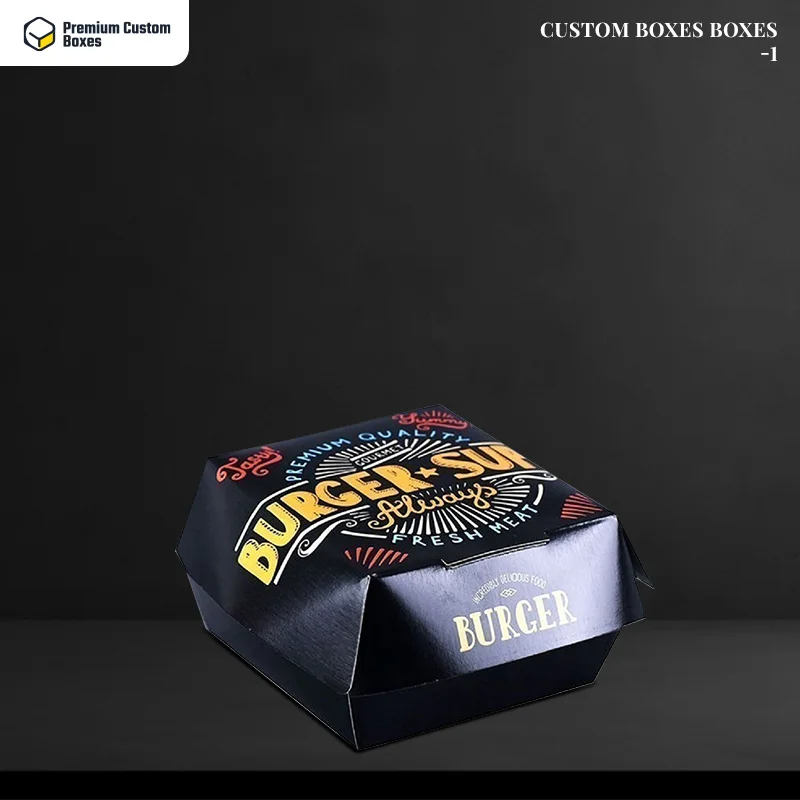
Meal-serving brands are based on packaging that has trust, control, and clarity in every touchpoint. Custom food boxes create the perception of quality that customers will review before tasting. Substance, form, and print quality form the anticipations in swamped kitchens and overcrowded counters. The choices made about sizing, durability, and presentation have an effect on the speed of service and confidence in staff. Food Boxes are used to retain temperature as well as prevent spillage, and they are used in brand recall upon delivery and takeaway. Customers feel that care and consistency are observed when packaging is considered deliberate. This discussion looks at viable factors that inform wiser decisions, considering how appearance, protection, and operational flow will help the restaurants and caterers, as well as growing food businesses. The loyalty and lessening friction in the daily operations under diverse demand conditions all over the country are attained through clear messaging and reliable performance.
Market Insight
The market conditions are appreciative of the packaging that will not give way when subjected to pressure without being distracted. Kraft food boxes offer a firm feel that prevents hot products and grease when offering services. The strength of boards and folding accuracy influence prep line stackability. The issue of printing discipline is related to legibility in the kitchen lighting conditions. Cost control is associated with material yield and press efficiency as opposed to shortcuts. Operators appreciate packaging that is consistent between batches, shelf-worthy, and can withstand shipping. When the teams have faith in packaging, processes will become stable, waste will be reduced, and customers will have the opportunity to get meals as planned. This consistency helps to maintain brand quality and training results in peak time and expansion periods, without losing the appearance and handling in the wide variety of menus and formats served daily.
Design Focus
The packaging of food boxes should have designs that affect perception and efficiency at the counter, where the size should match the portioning and storage time. Surface finish influences the density of the ink and scuff resistance of the pile during stacking. Venting decisions deal with steam upholding texture. Die lines regulate the speed of folding and the security of the closure. The accuracy of colors enhances brand recognition in mixed lighting. Properly designed design saves time in assembly, minimizes errors during the handling process, and ensures that the final presentation is presented between the kitchen pass to the customer. Delay during launching and seasonal menu changes.Measured prototypes and press checks ensure that the margins are not lost. Specifications are also clear, which works with both the suppliers and internal teams at different locations with diverse staffing and service rhythms observed in the busy shifts today.
Supply Dynamics
Supply planning creates availability and prices in the long run. Food boxes wholesale programs rely on the accuracy of forecasts and the capacity of the vendors. Lead times indicate sourcing of boards, printing schedules, and finishing queues. Volume commitments have an impact on unit cost and consistency of quality. Storage circumstances save flat inventory and ward off warp. Well-defined reorder points can help the teams prevent shortages in case of promotions and events. Good coordination in the buying and operations stabilizes the service and eliminates the last-minute pressure. Reliable partners exchange information, uphold standards, and pass communications on without interruptions to the day-to-day operations. Balanced stocks cushion cash flow and growth strategies in geographical areas that have services with varying demand seasons and weather conditions that influence the year-round performance of deliveries.
Material Choice
The choice of the material affects the protection, expenditure, and tactile sensation. The food packaging boxes need to have board grades corresponding to the heat, moisture, and transportation time. Coating influences resistance and print holdout. Thickness options compromise between rigidity and foldability to assemble quickly. Regular calipers promote machine performance. Material transparency facilitates compliance and labeling precision. Careful choice correlates product integrity with speed of operation, prep to pickup. Suppliers record specifications and tests to be able to reproduce the results regardless of the run or location. Effective communication minimizes mistakes, wastage, and losses in the peak season. Calculated decisions safeguard margins and also enable the provision of reliable service across all sizes of countertop high-volume kitchens that serve across various menus daily, with predictable customer satisfaction requests fulfilled daily without failure.
Print Quality
Brand signals are printed prior to a bite. Custom printed food boxes rely on color control, registration, and substrate compatibility. Prepress standards decrease batch-to-batch variation. The choice of ink influences the rub resistance during paypacking. Evidence-based discipline makes the stakeholders consistent in the end results. Correct scale reproduction develops trust and marketing towards launch and collaboration. Uniform images enhance the recognition and complement channel prices. Press stability and waste reduction are created through quality controls. Sign-offs and documentation in place keep the groups on track. Areas of clear schedules are provided by clear timelines and approvals. Performance can be relied upon during stringent deadlines, which come along with growth and promotions at various points, with divergent staffing situations and service requirements fulfilled uniformly in all the points nationally.
Cost Control
Wholesale food packaging pricing depends on predictable spending, volume, materials, and complex printing requirements for high-quality custom boxes with logo. Contracts have expectations on lead times and quality levels. The inventory turns affect the cash usage and storage requirements. The pricing and promotion of the menu are based on clear cost models. Organisation and use in order safeguard margins in growth. No service risk savings are indicated through accurate forecasts and usage audits. Standard sizes of packs make it easier to train and minimise errors. Vendor scorecards bring about accountability. Open communication maintains operations at a constant level. Stability in pricing promotes long-term planning and also the brand promise in the changing market pressures that influence the availability of inputs and performance of logistics over busy service windows during all working days of the year.
Conclusion
Custom food boxes and intelligent packaging will help in sustaining the quality of service, trust in the brands, and stability of operations. The evaluation of materials, print, supply with discipline allows teams to obtain predictable results. Canadian personalized food boxes manifest the focus on the regional needs and consistency of the presentation. Specifications, trustworthy partners,s and controlled ordering ensure that the margins are maintained as demand is fulfilled. In the event that packaging is functional, staff are attentive to food and customers. Good implementation creates customer loyalty due to recurrent experiences and helps in developmental strategies. The decisions based on performance, clarity,y and accountability result in long-term success. This kind of focus helps to keep brands alive both in markets and service models in and out of the future.