
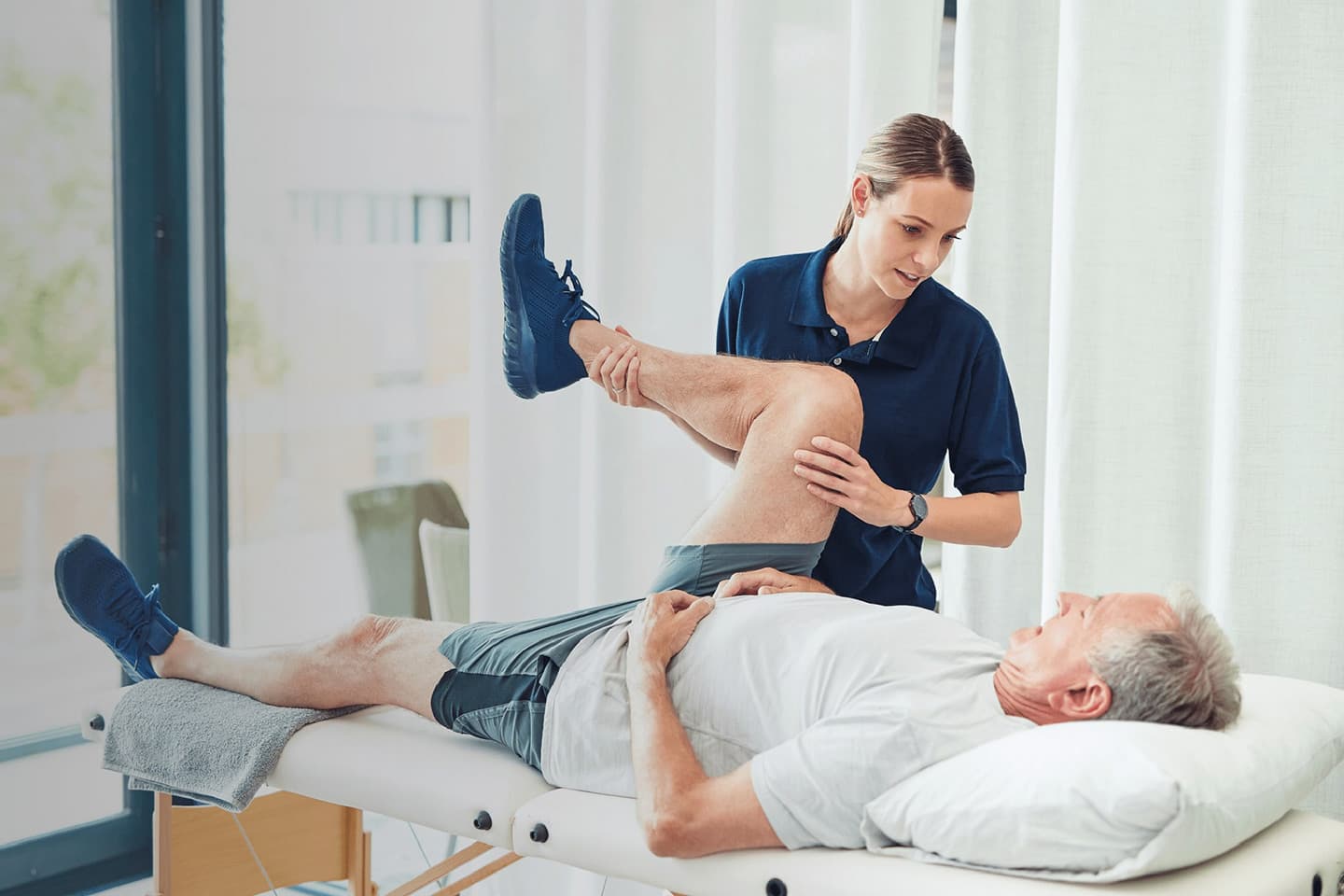
Most people don’t think much about movement until something begins to feel off. Maybe the knee stiffens after sitting too long. Maybe reaching for a shelf suddenly hurts the shoulder. Even simple things, like tying shoes or carrying a grocery bag, start to feel harder than they used to. For older adults, people recovering from surgery, or anyone managing long-term health conditions, mobility problems can quietly affect independence. Clinic visits may help, but getting there is not always easy. Driving across town, sitting in waiting rooms, or dealing with fatigue after therapy can become exhausting. This is where physical therapy at home services make a real difference. Instead of patients adjusting their lives around treatment, the treatment arrives where life already happens.
When Everyday Movement Starts Feeling Difficult
Mobility issues rarely appear overnight. More often, they creep in slowly. You might notice small changes first. Standing up takes a moment longer. Stairs feel heavier than they used to. Balance feels slightly uncertain.
Some common warning signs include:
- Difficulty standing up from chairs
- Pain while climbing stairs
- Reduced balance or frequent slips
- Weakness after surgery or illness
- Limited joint movement
Individually, these may seem minor. Over time, though, they start shaping daily life. Cooking becomes tiring. Walking outside requires caution. Even getting dressed can take longer than expected. Traditional outpatient therapy does help many people. Still, not everyone can keep up with repeated clinic visits. Transportation problems, fatigue, or medical limitations often get in the way. That gap is exactly where physical therapy at home services become useful.
What Physical Therapy At Home Services Actually Involve
Some people picture home therapy as a therapist dropping by and suggesting a few stretches. In reality, the process is far more detailed. A licensed therapist begins by observing how a patient moves through their own space. They watch how someone walks down the hallway, sits on the couch, or steps into the bathroom. Those everyday actions reveal more than exercises done in a clinic.
From there, a treatment plan takes shape. It often includes:
- Strength and mobility exercises
- Balance training
- Pain management techniques
- Post-surgery rehabilitation
- Fall prevention strategies
- Education for caregivers
The key difference is context. Therapy happens in the same space where daily activities take place. Practicing safe movement in a real kitchen or bedroom often leads to faster confidence than rehearsing those movements in a clinic setting.
Why Recovery Often Works Better at Home
Physical recovery isn’t just about muscles and joints. Comfort matters more than many people realize. When therapy happens at home, several small advantages appear naturally.
- Familiar surroundings help people relax.
Patients move more confidently when they are not surrounded by unfamiliar equipment or busy waiting rooms.
- Exercises become practical.
Therapists can guide movement using actual stairs, furniture, and hallways.
- Appointments are easier to keep.
When travel disappears, missed sessions drop dramatically.
- Family members can learn alongside the patient.
Caregivers can see exercises happening in real time and know how to help without putting themselves in danger.
When you put all of these changes together, they often make things work better. This individualized approach is a big part of many home health Las Vegas, Nevada programs.
Who Benefits Most from In-Home Physical Therapy
Not everyone needs home therapy, but some groups find it very helpful.
- Older Adults
Balance naturally weakens with age. In-home therapy focuses on safe movement and fall prevention, which helps seniors maintain independence.
- Post-Surgery Patients
Recovery after procedures like knee replacement or spinal surgery requires steady rehabilitation. Traveling during early recovery stages can be painful or risky.
- Stroke Survivors
It takes time and patience to get your coordination back. Therapists can help people get better by having them practice movements at home in a safe, controlled setting.
- People Who Have Long-Term Health Problems
Individuals suffering from chronic conditions such as arthritis and other neuro-genetic disorders must typically receive constant care from other caregivers, and home care providers can alleviate the burden of continually traveling to receive the necessary therapy by providing physical therapy at home. Physicians frequently refer their patients who require more frequent medical supervision after surgery.
What A Typical Home Therapy Session Looks Like
A therapy visit usually follows a clear structure, even though it happens in a relaxed environment.
Sessions often include:
- Movement assessment
The therapist checks balance, strength, posture, and range of motion.
- Guided exercise routines
Patients perform targeted exercises designed to rebuild strength and flexibility.
- Functional practice
Walking, standing, and stair movement are practiced carefully.
- Pain management techniques
Manual therapy, posture adjustments, or mobility work may be included.
- Progress tracking
The therapist adjusts exercises as recovery improves.
What makes these sessions different is personalization. Every movement relates directly to the patient’s living space.
The Role of Professional Home Health Providers
Quality in-home care involves more than a therapist showing up at the door. It requires coordination. Reliable home health Las Vegas, Nevada, providers usually work as part of a larger care team that may include:
- Licensed physical therapists
- Occupational therapists
- Skilled nursing professionals
- Care coordinators
- Physician communication
By working as part of a multi-disciplinary team, therapists can complement a patient’s existing health plan. If a patient’s symptoms or progress change course, adjustments can be made immediately. With the increasing number of patients being treated at home, families find the multidisciplinary team structure to be much easier than trying to juggle separate appointments at different clinics.
Safety And Fall Prevention Inside the Home
Another overlooked advantage of physical therapy at home services is the ability to evaluate real safety risks.
Therapists can identify things that might lead to falls or injuries, including:
- Slippery floors or loose rugs
- Poor hallway lighting
- Unsafe bathroom setups
- Steep staircases
- Furniture is placed too close together
Small adjustments can make a big difference. Installing grab bars or improving lighting may significantly reduce fall risks. Many home health Las Vegas, Nevada, professionals include these safety checks during regular therapy visits.
The Psychological Benefits Of Healing At Home
Recovery affects more than the body. Pain and reduced mobility can also affect mood and confidence. Being treated at home often helps patients feel more comfortable. The environment is familiar. Family members are nearby. Exercises feel less intimidating.
Many patients report:
- Greater comfort during therapy
- Stronger motivation to keep practicing
- Less stress compared to clinic visits
- More involvement from family members
These factors may seem small, but they can shape how consistently someone follows a rehabilitation plan.
Conclusion
When simple daily tasks begin to feel difficult, the body is usually asking for attention. Ignoring those signals rarely helps. Over time, small mobility problems can grow into larger ones.
The good news is that recovery does not always require constant trips to clinics or long drives across town. Physical therapy at home services allow professional care to happen where daily life already takes place.
Many individuals benefit from receiving this type of help, particularly older adults or those recovering from surgery. Through the use of qualifiedproviders for home health in Las Vegas, Nevada, patients will find assistance with regaining their strength and balance as well as gradually returning to the activities that make up their normal daily life. Sometimes the best place to begin healing is the place where life already happens. Home.