
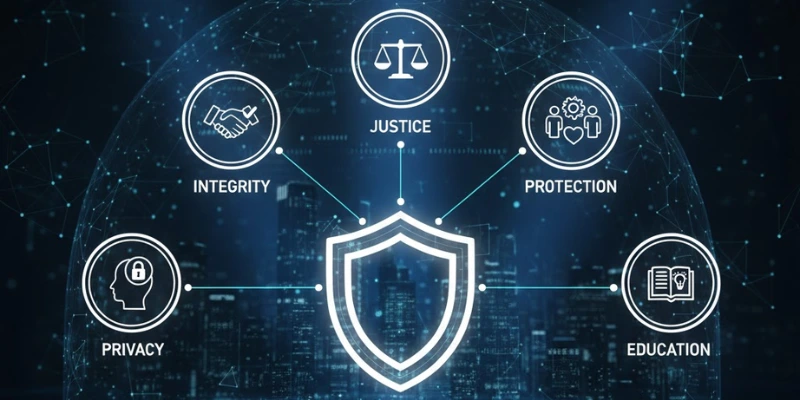
Every organization, whether small or large, eventually faces the reality of cyber threats. It might start with a phishing email or a suspicious login attempt, but the impact can grow quickly if systems are not prepared. Security is no longer just an IT responsibility; it has become a business priority. Many professionals entering this field begin by building strong fundamentals through Cyber Security Course in Trichy, where they learn that defending against attacks requires planning, awareness, and continuous monitoring rather than relying on a single security tool.
Building a strong security foundation
Organizations must start with basic security controls. Firewalls, antivirus software, and secure network configurations create the first line of defense. Systems should be regularly updated to fix known vulnerabilities. Access to sensitive information must be limited to authorized users. When these basics are ignored, attackers find easy entry points. A strong foundation reduces simple risks and prepares the organization for more advanced protection strategies.
Employee awareness and training
Many cyber attacks succeed because of human error. Employees may click unknown links, download unsafe files, or use weak passwords. Regular awareness sessions help staff understand common threats like phishing and social engineering. Simple habits such as verifying email sources and using strong authentication methods make a big difference. Security awareness is not a one-time activity; it needs continuous reinforcement to keep everyone alert.
Cybersecurity awareness is increasing across regional businesses as well. Companies in smaller cities are investing in secure infrastructure and hiring skilled professionals. This growth creates career opportunities for those trained in practical defense techniques. Professionals completing Cyber Security Course in Erode often support local enterprises, financial institutions, and startups in strengthening their digital security posture.
Monitoring and threat detection
Defending against cyber attacks requires constant monitoring. Security teams use monitoring tools to detect unusual activity on networks and in systems. Suspicious login attempts, unexpected data transfers, or system changes can signal an attack. Early detection allows organizations to respond before major damage occurs. Real-time alerts and logs help teams investigate and contain threats quickly.
Incident response planning
Even with strong defenses, no system is completely safe. That’s why organizations need a clear incident response plan. This plan defines how to react during a security breach. Roles and responsibilities should be assigned in advance. Quick isolation of affected systems, communication with stakeholders, and recovery procedures reduce downtime. Practicing response drills helps teams stay calm and act efficiently during real incidents.
Ethical testing and vulnerability assessment
To defend effectively, organizations must think like attackers. Security professionals perform controlled testing to identify weaknesses before hackers do. These techniques are often learned in programs such as Ethical Hacking Course in Trichy, where individuals practice penetration testing and vulnerability scanning in safe environments. Regular security assessments help organizations proactively fix gaps and strengthen defenses, rather than reacting after an attack.
Data backup and recovery systems
Data is one of the most valuable assets for any company. Ransomware attacks often target this data, locking it until a ransom is paid. Regular backups stored securely and separately from the main network ensure business continuity. If systems are compromised, data can be restored without paying attackers. Backup strategies must be tested regularly to confirm they work during emergencies.
Regional security adoption and job roles
Defending against cyber attacks requires layered protection, trained staff, constant monitoring, and strong recovery plans. Organizations that treat security as an ongoing process reduce long-term risk and build trust with customers. For professionals, this field offers stable and meaningful career growth. Developing hands-on defensive skills through structured paths like Ethical Hacking Course in Erode prepares candidates to handle real-world threats and contribute effectively to secure digital environments.