
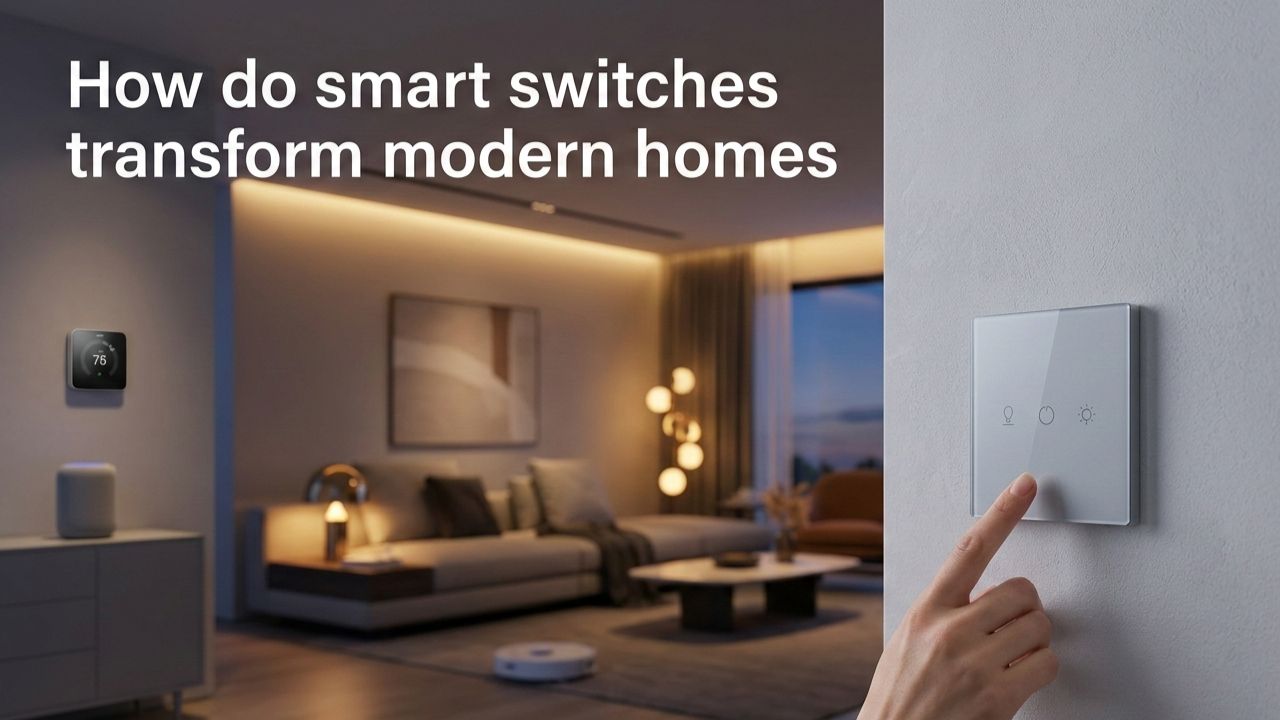
Smart switches have revolutionized the way people control lighting and home appliances. These advanced devices allow users to manage electrical switches through mobile apps, voice commands, or automation systems. Unlike traditional switches, smart switches offer convenience, energy efficiency, and improved home security. With growing technology adoption, smart switches are becoming a popular choice for modern households and commercial buildings.
Smart switches are part of the smart home ecosystem, working alongside smart bulbs, smart plugs, and home automation hubs. They help homeowners control lighting remotely, schedule operations, and reduce electricity waste. The demand for smart switches continues to grow because of their practical benefits and simple installation process.
What Are Smart Switches and How Do They Work
Smart switches are electronic devices that connect to a home Wi-Fi network or Bluetooth system. They replace traditional wall switches and allow users to control lights and appliances through smartphone applications. Most smart switches are compatible with voice assistants and automation platforms.
The working mechanism of smart switches is based on wireless communication technology. When a user sends a command from a smartphone or voice assistant, the signal is transmitted through the internet to the smart switch device. The switch then turns the connected electrical circuit on or off instantly. This technology makes home management more flexible and efficient.
Key Features of Smart Switches
Smart switches come with several advanced features that improve user experience:
-
Remote control access through mobile apps
-
Voice control compatibility
-
Scheduling and timer settings
-
Energy consumption monitoring
-
Integration with smart home systems
These features make smart switches an excellent upgrade from traditional electrical switches.
Benefits of Using Smart Switches
Smart switches provide numerous advantages for homeowners and businesses. Understanding these benefits can help consumers make better purchasing decisions.
Energy Efficiency and Cost Savings
One of the major benefits of smart switches is energy efficiency. Users can schedule lights to turn off automatically when not needed. This helps reduce electricity bills and prevents unnecessary energy waste.
Smart switches also help users monitor power consumption. Some models provide detailed reports about electricity usage patterns, helping households manage their energy consumption more effectively.
Convenience and Remote Control
Smart switches allow users to control home lighting from anywhere. If someone forgets to turn off lights while leaving home, they can easily do it through a smartphone application. This feature is especially useful for busy professionals and frequent travelers.
Improved Home Security
Smart switches improve home security by allowing users to schedule lights to turn on and off automatically. This creates the illusion that someone is home, discouraging potential intruders. Homeowners can also control lighting remotely when they are away.
Compatibility with Smart Home Devices
Modern smart switches can integrate with smart home ecosystems. They work well with smart speakers, security cameras, and home automation hubs. This compatibility allows users to build a fully connected smart home environment.
Types of Smart Switches Available in the Market
Different types of smart switches are available depending on user needs and installation requirements.
Wi-Fi Smart Switches
Wi-Fi smart switches are the most common type. They connect directly to home Wi-Fi networks without requiring additional hubs. Users can control them through mobile applications.
Bluetooth Smart Switches
Bluetooth smart switches work within a limited range. They are suitable for small homes or specific rooms where remote internet access is not required.
Touch Smart Switch Panels
Touch smart switches feature modern glass panels with touch-sensitive controls. These switches provide a stylish and premium appearance to home interiors.
Voice Controlled Smart Switches
Voice-controlled smart switches work with virtual assistants. Users can control lights using voice commands, making home management easier and more accessible.
Smart Switches Installation Process
Installing smart switches is relatively simple, but it is recommended to hire a professional electrician for safety reasons.
The installation process generally includes:
-
Switching off the main power supply
-
Removing the old switch panel
-
Connecting wire terminals to the smart switch
-
Fixing the switch in the wall box
-
Connecting the device to Wi-Fi and configuring the mobile app
Proper installation ensures safe and efficient performance of smart switches.
Factors Affecting Smart Switches Price
The price of smart switches varies depending on several factors.
Brand and Quality
High-quality brands usually offer durable products with better performance. Trusted brands often provide warranty coverage and customer support services.
Features and Technology
Advanced features such as voice control, energy monitoring, and automation increase the smart switches price. Basic models are usually cheaper than advanced smart home versions.
Compatibility and Ecosystem Support
Smart switches that support multiple platforms may cost more. However, they provide better flexibility for smart home integration.
Design and Build Material
Premium design smart switches with glass panels or metal finishes usually have higher prices compared to standard plastic models.
Smart Switches vs Traditional Switches
Smart switches are gradually replacing traditional switches due to advanced functionality.
Traditional switches are simple and inexpensive but lack automation features. Smart switches offer convenience but require internet connectivity and initial setup.
Traditional switches are suitable for basic electrical control, while smart switches are ideal for modern homes focused on automation and efficiency.
Popular Uses of Smart Switches
Smart switches are used in various environments.
Residential Homes
In homes, smart switches are used to control lighting, fans, and other appliances. They help create smart bedrooms, living rooms, and kitchens.
Commercial Buildings
Businesses use smart switches to manage office lighting and reduce electricity expenses. Automation improves workplace productivity and energy management.
Hotels and Hospitality Industry
Hotels use smart switches to improve guest comfort and energy savings. Guests can control room lighting using mobile applications or touch panels.
Maintenance and Safety Tips
Proper maintenance ensures long-term performance of smart switches.
-
Keep switches dry and clean
-
Avoid overloading electrical circuits
-
Use compatible wiring systems
-
Update smart home applications regularly
Following these tips helps maintain device safety and durability.
If you are looking for high-quality smart switches, you can visit . This website offers a wide range of smart home solutions suitable for modern homes and offices. Their collection includes advanced automation switches designed for comfort and energy savings. You can explore different options and compare products easily. Click Here to explore smart switch products and find the best solution for your home automation needs.
Challenges of Using Smart Switches
Although smart switches offer many benefits, they also have some challenges.
Internet Dependency
Smart switches require stable internet connections. Poor network connectivity can affect device performance.
Higher Initial Cost
Smart switches are more expensive than traditional switches. However, long-term energy savings can offset initial costs.
Technical Setup Requirements
Some users may find setup processes slightly complicated. Professional installation may be required for complex home systems.
Future of Smart Switch Technology
Smart switches are expected to become more advanced with time. Future developments may include artificial intelligence integration and improved automation features. Smart homes will become more efficient, secure, and user-friendly with advanced switch technology.
Conclusion
Smart switches have become an essential part of modern home automation systems. They offer convenience, energy savings, and improved security for homeowners and businesses. Although smart switches price may vary based on features and brand quality, the long-term benefits make them a valuable investment.
With growing technology trends, smart switches will continue to evolve and provide better automation solutions. Consumers should carefully compare features, quality, and price before making a purchase decision. Smart switches represent the future of home electrical control systems, offering comfort and efficiency in daily life.