
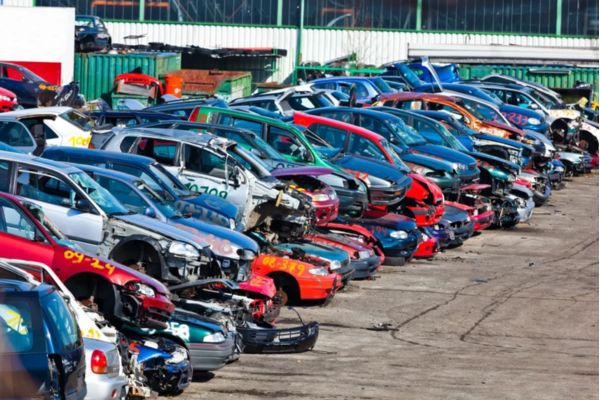
Let’s talk about something that’s been sitting in the back of your mind for months, maybe even years. That old car. You know the one—it’s taking up valuable space in your garage or driveway, slowly transforming into an expensive garden ornament that doesn’t even look good.
Here’s the thing most Sydney vehicle owners don’t realise until it’s too late: that deteriorating car isn’t just an eyesore. It’s depreciating by the day, potentially leaking hazardous fluids into your property, and in some council areas, you might even be risking fines for keeping an unregistered vehicle visible from the street. The good news? There’s an entire industry built around solving this exact problem, and it’s evolved significantly over the past decade.
Why Old Vehicles Become a Bigger Problem Than You’d Think
The Australian automotive market has an interesting characteristic that many people overlook. According to recent data from the Australian Bureau of Statistics, the average age of vehicles on our roads is now over 10 years—the oldest it’s ever been. This means more Australians than ever are facing the same dilemma: what to do with a car that’s reached the end of its useful life.
When your vehicle stops being reliable transportation and starts being a liability, several issues compound quickly. Insurance companies often won’t provide comprehensive coverage for vehicles over a certain age or condition threshold. Repair costs can exceed the vehicle’s market value—mechanics call this being “economically written off,” even if the car technically still runs. And if you’re trying to sell privately? The market for genuinely old, problematic vehicles is practically non-existent.
I’ve spoken with dozens of Sydney residents who’ve kept broken-down cars for two, three, even five years because they “meant to deal with it eventually.” One bloke in Penrith told me he’d been paying third-party insurance on a car that hadn’t moved in 18 months, simply because he didn’t know what else to do. That’s over $500 down the drain for absolutely nothing.
How the Vehicle Removal Industry Actually Works
The old vehicle collection and removal Sydney market operates on a business model that might seem counterintuitive at first: they pay you to take your problem away. But it makes perfect sense when you understand the economics.
Modern vehicles contain valuable recyclable materials. Steel, aluminium, copper, and various precious metals used in catalytic converters all have commodity value. A typical car contains roughly 900 kilograms of steel and 180 kilograms of aluminium. At current scrap metal prices, that represents genuine value—even if the car itself is worthless as transportation.
Professional removal services have streamlined this process into something remarkably efficient. They’ve built relationships with licensed recyclers and scrap metal processors. They understand which components have resale value in the secondary parts market. They’ve invested in the equipment needed to safely transport non-running vehicles. Most importantly, they’ve eliminated the friction that used to make disposing of an old car such a headache.
The process typically works like this: You contact a removal service and describe your vehicle—make, model, year, and condition. They provide a quote based on the scrap value and any salvageable components. If you accept, they schedule a pickup time. A tow truck arrives, loads your vehicle, handles all the paperwork, and transfers payment. The entire interaction might take 30 minutes.
The 24/7 Element: More Than Just a Marketing Gimmick
You might wonder why anyone would need a scrap car pickup at 2am on a Tuesday. Fair question. But the availability of round-the-clock service addresses several real-world scenarios that standard business hours don’t accommodate.
Shift workers, for instance, might only be home during odd hours. Small business owners can’t always afford to take time off during the day to wait for a tow truck. Emergency situations arise—council compliance notices, urgent need for driveway access, property sales that require immediate clearance. Having services available outside conventional hours eliminates scheduling as an obstacle to action.
There’s also a psychological component. Many people finally decide to get rid of an old vehicle on a Sunday evening or late at night when they’re doing some serious thinking about life priorities. Being able to act on that decision immediately, rather than waiting days and potentially talking yourself out of it, has genuine value.
The logistics of 24/7 operation require significant infrastructure investment. Companies need multiple crews, comprehensive insurance coverage that accommodates all hours, and dispatch systems that can handle requests anytime. This separates serious, professional operators from casual side businesses.
What Makes a Removal Service Actually Reliable
Not all vehicle removal services are created equal, and in an industry with relatively low barriers to entry, quality varies dramatically. Understanding what separates excellent service from mediocre or problematic operators helps you avoid headaches.
Licensing and compliance should be your first consideration. Legitimate services hold appropriate waste transport licenses, maintain proper insurance, and work exclusively with licensed vehicle recyclers. This matters because improper disposal can come back to haunt you. If a dodgy operator dumps your car illegally, you’re still the registered owner until proper disposal documentation is completed.
Transparency in pricing is another critical marker. Reputable companies provide clear quotes upfront, explain how they calculate value, and don’t hit you with hidden fees after the tow truck arrives. They’ll ask specific questions about your vehicle’s condition, any damage, whether it starts, and if all parts are present. These details affect value, and honest operators want accurate information from the beginning.
Response time and reliability separate the professionals from the pretenders. When a service commits to a pickup window, they should honour it. Real businesses understand that your time has value and that you might be coordinating property access or taking time off work. They communicate clearly, confirm appointments, and provide updates if anything changes.
The Environmental Angle That Nobody Talks About
Here’s something that doesn’t get enough attention: how you dispose of an old vehicle has significant environmental implications. Cars contain numerous hazardous materials that require proper handling. Engine oil, transmission fluid, brake fluid, coolant, battery acid, refrigerants from air conditioning systems—all of these can cause serious environmental damage if not handled correctly.
Licensed auto recyclers follow strict protocols for draining and disposing of these fluids. They remove batteries, which contain lead and sulphuric acid. They safely extract refrigerants that, if released, contribute to ozone depletion. They handle mercury switches found in older vehicles. The Australian government has specific regulations governing end-of-life vehicle processing, and legitimate recyclers comply with these standards.
The recycling rates for vehicles are actually impressive when done properly. According to industry data, approximately 95% of a vehicle’s material can be recycled or recovered. Metals get melted down and reused in manufacturing. Plastics are sorted and repurposed. Glass gets crushed for various applications. Rubber from tyres can be recycled into road surfaces, playground equipment, and other products.
Choosing a proper removal service means your old car contributes to a circular economy rather than ending up as contaminated landfill. It’s a tangible environmental choice that makes a difference.
The Financial Reality: What Your Old Car Is Actually Worth
Let’s talk numbers, because this is where expectations often diverge from reality. The value of a scrap vehicle depends on several factors, and understanding these helps you assess whether quotes are fair.
Weight is the primary determinant. Scrap metal prices fluctuate based on global commodity markets, but the basic formula is straightforward: heavier vehicles contain more recyclable metal, therefore they’re worth more. A large four-wheel drive or ute will fetch more than a small sedan, assuming similar condition.
Make and model influence value through the parts market. Certain vehicles have components that remain in demand. Toyota parts, for example, hold value because there are so many Toyotas on Australian roads. European luxury vehicles might have expensive parts, but if they’re older models, the market for those parts might be limited.
Condition affects value, but probably not how you’d expect. A car that starts and drives might be worth slightly more because it can be moved more easily. But from a scrap perspective, whether your engine is pristine or completely seized doesn’t matter much—it’s all getting crushed and recycled anyway.
Catalytic converters deserve special mention. These components contain platinum, palladium, and rhodium—precious metals with genuine value. Thieves target them for exactly this reason. If your old car still has its original catalytic converter, that adds value to your scrap quote.
Realistic expectations: In the Sydney market, most standard cars in scrap condition fetch between $200 and $800, depending on the factors above. Larger vehicles might reach $1,000 to $1,500. Unusually heavy vehicles or those with valuable components could exceed this range.
Common Mistakes That Cost People Money
Having consulted with hundreds of vehicle owners through this process, I’ve seen patterns in costly mistakes that are entirely avoidable with the right information.
Waiting too long is perhaps the most common error. Vehicle values don’t improve with time—they deteriorate. Parts get stolen. Rust spreads. Tyres deflate and perish. Windows get broken. Council fines accumulate. Every month you delay is money lost and hassle increased.
Attempting DIY part removal rarely works out financially. People think they’ll pull out valuable components and sell them separately, then scrap what remains. Unless you’re mechanically skilled, have proper tools, and know the parts market well, this usually results in a dismantled vehicle worth less than it would have been intact, plus hours of frustration.
Not shopping around is another frequent mistake, but with an important caveat. Getting multiple quotes makes sense, but don’t waste excessive time chasing an extra $50. Three quotes from reputable services should give you a good market sense. Beyond that, you’re experiencing diminishing returns on your time investment.
Failing to prepare proper documentation creates unnecessary complications. You need proof of ownership—the vehicle’s registration papers or title. You’ll need to complete a disposal notice with your state transport authority to formally transfer ownership and end your legal relationship with the vehicle. Legitimate removal services will guide you through this, but having your documents ready accelerates everything.
The Path Forward: Making It Happen
If you’ve been putting off dealing with that old vehicle, here’s your action plan. First, gather information about your car: exact make, model, year, current condition, and any relevant details about damage or missing parts. Take a few photos—these help removal services provide accurate quotes.
Research reputable services in your area. Look for businesses with established track records, proper licensing, and positive customer reviews. Be wary of operations that seem too good to be true or can’t provide straight answers about their processes.
Get quotes from three different services. Ask specific questions: What’s included in their service? How do they calculate value? What paperwork do they handle? What’s their pickup timeframe? The answers will reveal a lot about their professionalism and reliability.
Choose your service based on the complete package—price, convenience, professionalism, and trust—not just the highest quote. A company offering $50 more but with questionable practices isn’t worth the risk.
Prepare your vehicle. Remove all personal belongings (people forget things in boots, gloveboxes, and under seats constantly). Cancel your insurance once you’ve confirmed the pickup date. Ensure you can access the vehicle easily for removal.
Complete the necessary paperwork. Your state transport authority requires notification when you dispose of a vehicle. This formally ends your registration and legal responsibility. Most removal services will help with this process, but ultimately it’s your responsibility to ensure it’s done correctly.
The Bigger Picture
The vehicle removal industry represents something larger than just getting rid of old cars. It’s part of Australia’s transition toward more sustainable resource management. It’s about recognising that convenience and environmental responsibility can align. It’s about professional services solving problems that used to require significant time and effort from individuals.
Your old car isn’t going to fix itself. It’s not going to increase in value. It’s not going to stop taking up space or leaking fluids or attracting unwanted attention from your neighbours or the council. But with a single phone call and minimal effort, it can be gone—properly, legally, and with cash in your hand.
That’s not just good business. That’s smart living.