
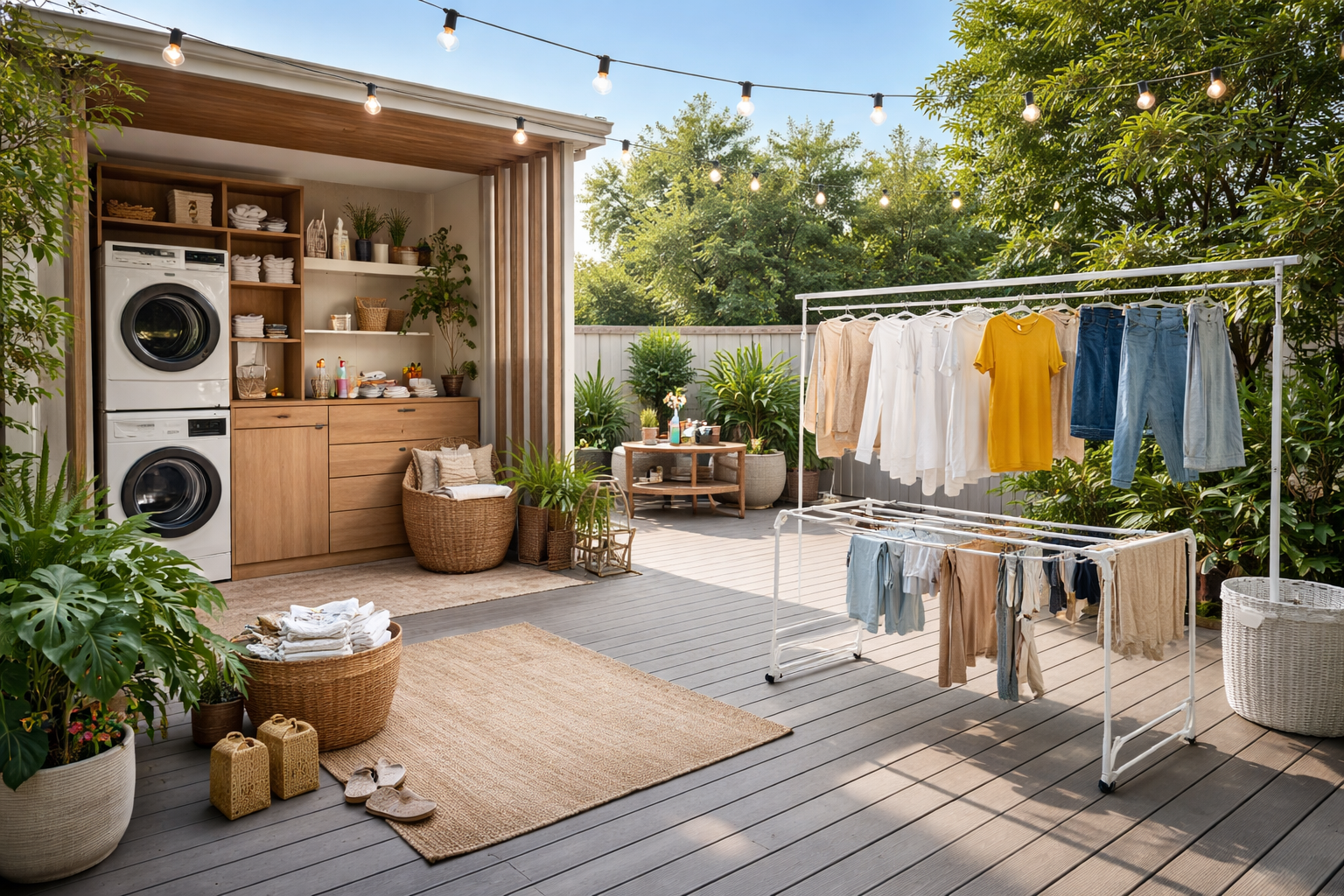
You want a simple, reliable way to dry clothes without wasting energy or space. A clothes drying rack (منشر تجفيف) gives you flexible options—portable, foldable, indoor or outdoor—so you can pick the style that fits your home and routine. A well-chosen drying rack saves energy, protects fabrics, and maximizes space, whether you need a compact foldable model for small apartments or a large stainless-steel rack for heavy loads.
This post explains the main types of drying racks and shows how to choose and use one efficiently, covering materials, size, and placement to speed drying and reduce creasing. You’ll learn practical tips for indoor airflow, outdoor setup, and storing a rack when it’s not in use so your laundry routine becomes faster and less hands-on.
Types of Clothes Drying Racks
You’ll find options that save floor space, fold away for storage, or make use of ceiling height. Choose based on available space, typical load size, and how permanently you want the solution installed.
Wall-Mounted Drying Racks
Wall-mounted racks attach directly to a wall and free up floor area. They come in fixed bars, pull-out rails, and hinged arms; pick pull-out or retractable styles if you need occasional use without visual clutter.
Installation needs a stud or solid anchor to carry wet clothes weight—typically 10–30 kg depending on model. Stainless steel or aluminum frames resist rust in humid rooms like bathrooms.
Use cases: narrow balconies, laundry closets, and small bathrooms. Benefits include permanent placement, higher hanging height for long garments, and minimal floor obstruction. Downsides: requires drilling and limits placement changes once installed.
Foldable Clothes Drying Racks
Foldable racks collapse flat for storage and often include multi-tier shelves or winged arms. You’ll find X-frame, A-frame, and accordion designs; X-frame suits moderate loads, while accordion or winged designs give more horizontal hanging length.
Materials range from lightweight aluminum to steel with PVC coating. Look for locking hinges and rubber feet for stability on wet floors. Many models include detachable extensions or wheels for mobility.
These racks work well for apartments, temporary indoor use during rainy seasons, and travel. They require no installation and let you adjust capacity by unfolding more tiers. Expect reduced durability under constant heavy loads compared with fixed-mounted options.
Ceiling-Mounted Options
Ceiling-mounted systems use pulleys, rails, or motorized lifts to raise and lower drying bars. Manual pulley systems are simple: you crank or pull to lower bars, load clothes, and raise them near the ceiling to dry out of the way.
Motorized ceiling racks offer remote control and higher weight limits, useful if you have high ceilings or need frequent lifting. Installation needs secure ceiling anchors and clearance for the bars to move without hitting lights or fans.
Choose ceiling mounts for long garments and to maximize vertical space in small rooms. They keep clothes away from pets and children. Plan for professional installation if you’re unsure about ceiling joists or electrical integration.
Choosing and Using an Efficient Clothes Drying Rack
Choose a rack that fits your space, fabric types, and routine, then place and load it to maximize air flow and energy savings. Focus on materials that resist corrosion, features that increase capacity, and habits that speed drying while protecting garments.
Material Durability and Design Features
Look for corrosion-resistant metals like powder-coated steel or stainless steel if you dry wet items regularly. These materials hold weight, resist rust, and last longer than untreated steel. Aluminum works well for light loads and is easier to move, but check load ratings before buying.
Inspect joint and hinge quality: welded joints or reinforced rivets reduce wobble and failure over time. Favor designs with telescoping bars or adjustable heights to let you dry long garments upright without creasing. Non-slip feet and wall-mount options stabilize the rack in windy balconies or small rooms.
Consider drying surface types: closely spaced rods support small items without sagging; wide slats or mesh panels help delicates lay flat. Look for fold-flat or collapsible designs if you need storage space. Built-in hooks, sweeps for hangers, and removable trays add convenience and increase usable capacity.
Best Practices for Drying Efficiency
Arrange items with space between them to allow air circulation; avoid crowding or overlapping. Hang shirts by shoulders, button or zip them to retain shape, and clip small items at both ends to prevent twisting. Rotate heavier items halfway through drying to expose wet areas.
Position the rack near a heat source or in a well-ventilated spot—by a window, fan, or bathroom vent—to speed evaporation. Use a dehumidifier or open windows in humid climates to reduce drying time. For energy savings, dry mixed loads that include similar-weight fabrics to avoid long cycles for a few heavy items.
Clean and maintain the rack: wipe rods and joints after use to remove detergent residue and inspect for corrosion. Replace or tighten loose fittings promptly to keep load capacity reliable and avoid garment damage.
 John Ryan