
Beyond the Squeeze Bottle: A Consultant’s Guide to the 7 Best Sinus Irrigation Machine – Reviews for Home Use
In my seven years navigating the intersection of healthcare product manufacturing and patient outcomes, I’ve seen a significant shift in how we approach upper respiratory health. We are moving away from the “disposable” mindset of manual squeeze bottles toward precision-engineered medical devices.
When you transition from a manual neti pot to a motorized irrigator, you aren’t just buying a gadget; you are investing in controlled fluid dynamics. For chronic sinusitis sufferers or post-operative patients, the consistency of pulsatile flow is often the difference between superficial rinsing and deep sinus penetration.
If you are looking for the 7 Best Sinus Irrigation Machine – Reviews to improve your daily nasal care, it is essential to look past the flashy exterior and evaluate the structural design and material safety.
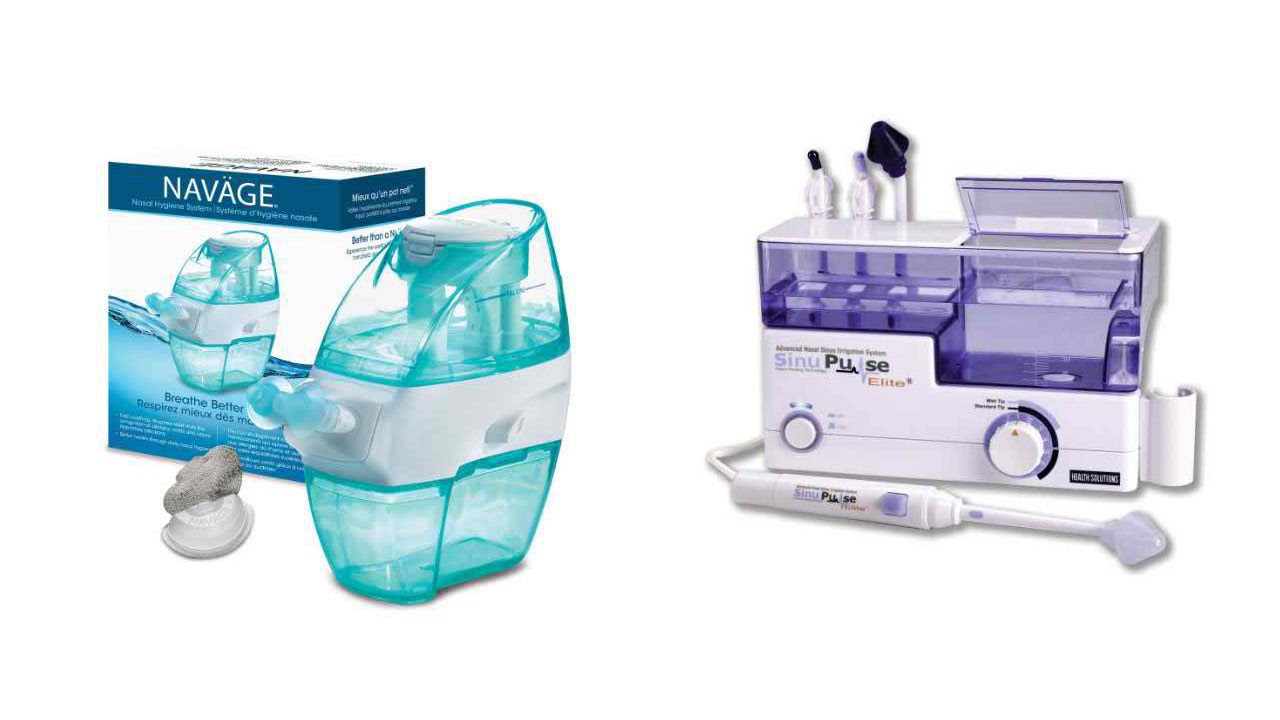
1. The Pulsatile Powerhouse: SinuPulse Elite
From a manufacturing standpoint, the SinuPulse Elite is often the industry benchmark. It utilizes a pulsatile action designed to mimic the body’s natural ciliary flow.
- The Insight: The internal pump is engineered for longevity. While many cheaper units fail after three months due to calcification, the SinuPulse handles saline minerals with better resilience.
- Healthcare Benefit: It doesn’t just “wash”; it helps restore the natural “sweeping” motion of the nasal cilia.
2. The Vacuum Innovator: Navage Nasal Care
Navage flipped the script on traditional irrigation by using powered suction rather than pressure.
- Structural Design: It uses a dual-chamber system that pulls saline through one nostril and out the other into a waste tank.
- Brand Positioning: They have successfully positioned themselves as the “no-mess” solution, which is a major pain point for users who find traditional gravity-fed methods cumbersome.
3. The Travel Specialist: WaterPik SinuSense (Cordless)
Portable units often struggle with battery degradation. However, cordless irrigators are essential for patients who manage allergies on the go.
- Material Choice: Look for BPA-free plastics that are high-density enough to withstand temperature fluctuations if you use warm water.
- Mistake to Avoid: Many brands use low-grade seals in portable units to save on costs, leading to leaks within weeks.
4. The Clinical Grade: NeilMed Sinugator
NeilMed is a titan in supply chain management for nasal care. Their Sinugator is a middle-ground tool—pulsating but handheld.
- Cost Optimization: Because NeilMed owns much of the saline packet market share, their machines are often priced as “loss leaders” to keep you buying their refills. It’s a smart consumer choice for those on a budget.
5. The Multi-Functional Hybrid: MyPurMist Free
While primarily a steamer, the newer iterations offer ultra-pure irrigation benefits through fine-mist inhalation.
- Professional Observation: I’ve noticed that patients with high nasal sensitivity often prefer “micro-mist” over high-volume irrigation. It provides hydration without the “drowning” sensation.
6. The Ergonomic Contender: Grossan Hydro Pulse
The Hydro Pulse was one of the first to market with the pulsatile concept.
- Product Protection: The design is simple and modular. From a maintenance perspective, modularity is a win; if one tip breaks, you don’t have to scrap the entire $100 machine.
7. The Budget-Friendly Electronic: Sinugator (Generic/OEM)
Many “private label” brands available on Amazon use the same internal motors as the big names.
- Consultant’s Tip: When looking at these 7 Best Sinus Irrigation Machine – Reviews, check the UL (Underwriters Laboratories) certification. A cheap motor without proper insulation near water is a safety hazard I see too often in low-end manufacturing.
Professional Insight: The “Biofilm” Trap
One opinion I hold firmly after years in healthcare product management: Most brands fail to educate users on device hygiene.
We spend millions on R&D for the motor, but if the reservoir isn’t designed with rounded internal corners, bacteria will thrive in the 90-degree angles. When choosing from the 7 Best Sinus Irrigation Machine – Reviews, prioritize units that are easy to disassemble. If you cannot reach the bottom of the tank with a brush, you are eventually just irrigating your sinuses with a bacterial biofilm.
Common Industry Mistakes in Selection
- Ignoring Material Porosity: Lower-quality plastics are porous. Over time, they absorb the scent of the minerals and can harbor mold. Always look for medical-grade, non-porous polymers.
- Over-complicating Design: In manufacturing, more “features” often mean more “failure points.” A machine with five pressure settings is great, but if the dial isn’t waterproofed, the electronics will corrode.
- Bulk Ordering Without Testing: I often see clinics order 500 units of a new brand based on a low per-unit cost. Within six months, the return rate is 20% because the pump diaphragms weren’t rated for daily use. Always test a “golden sample” before committing to a home-use device.
Strategic Brand Positioning
The shift we are seeing in the 7 Best Sinus Irrigation Machine – Reviews landscape is toward wellness integration. The best brands aren’t selling a “snot machine”; they are selling “respiratory clarity.” They position their products alongside high-end air purifiers and ergonomic pillows, elevating the sinus rinse from a chore to a ritual.
Final Thoughts on Supply Chain and Value
When you evaluate the 7 Best Sinus Irrigation Machine – Reviews, remember that the cheapest price usually indicates a compromise in the motor’s copper winding or the grade of the silicone tubing. For a device you use on your internal membranes, the “mid-to-high” price tier usually offers the best ROI in terms of safety and device longevity.