
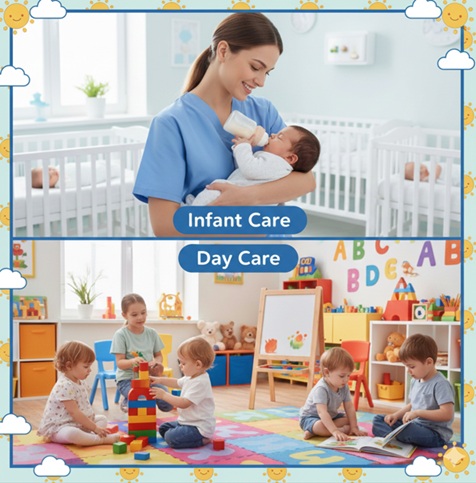
You want a best preschool near me that fits your family’s schedule, values, and your child’s learning style. Start by narrowing options near you based on hours, curriculum, and teacher qualifications—those factors matter more than flashy facilities. The fastest way to find the best preschool near you is to prioritize programs with qualified, caring teachers, an age-appropriate curriculum, and clear communication with families.
Use visits and questions to confirm how each program handles daily routines, social development, and safety. This article guides you through practical selection steps and the essential features top-rated preschools share so you can choose a place that supports your child’s growth and your peace of mind.
How to Choose the Best Preschool Near Me
Focus on the concrete details that affect daily life: location, schedule, safety, teaching approach, and cost. Prioritize what matters most for your child’s temperament and your family routine.
Key Evaluation Criteria
Start with safety and licensing. Verify the preschool’s state or local license, emergency procedures, staff background checks, and child-to-staff ratios. Ask for recent inspection reports when available.
Look at curriculum and daily routine. Identify whether the program follows play-based, Montessori, Reggio Emilia, or academic-prep methods. Request a sample daily schedule to see time allocated for free play, teacher-led learning, meals, rest, and outdoor play.
Assess teacher qualifications and turnover. Note degrees, early childhood certifications, years of experience, and whether assistants are included in ratio counts. High turnover can signal problems; long-tenured staff support continuity.
Consider logistics and cost. Confirm hours, late pickup policies, holidays, before/after care, and tuition plus extra fees. Calculate total monthly cost and compare it to your budget and work schedule.
Comparing Local Preschool Options
Create a short comparison table to score top choices on key factors (safety, curriculum, ratio, cost, logistics, proximity).
- Safety: Licensed / background checks / secure entry
- Curriculum: Play-based / Montessori / academic
- Ratio: e.g., 1:6 for toddlers, 1:10 for preschoolers
- Cost: monthly tuition + fees
- Logistics: hours, location, transportation
Visit each site during drop-off or class time. Observe teacher-child interactions for warmth, responsiveness, and guidance. Check cleanliness, indoor/outdoor play quality, and materials availability.
Ask specific questions on enrollment policy and parent communication. Request sample menus, nap policies, handling of illness, and how behavioral issues are managed. Compare notes from other parents and look for consistent answers across programs.
Essential Features of Top-Rated Preschools
Look for programs that combine skilled teachers with a curriculum that builds language, motor, social, and self-regulation skills. Safety, consistent routines, and measurable learning goals should guide your choice.
Qualified Teaching Staff
You should prioritize teachers with early childhood credentials and ongoing professional development. Ideal staff hold an associate or bachelor’s degree in early childhood education or related certification, plus state-mandated CPR/first-aid and background clearances.
Observe teacher-to-child ratios and turnover. Lower ratios (for example, 1:6 for toddlers, 1:10 for older preschoolers) let teachers give individualized attention and quickly identify learning or behavior concerns. Stable staffing supports consistent routines and stronger teacher-child relationships.
Ask about coaching and assessment practices. Teachers who use progress tracking, parent conferences, and individualized learning plans can show you measurable growth in language, social skills, and pre-literacy targets.
Engaging Curriculum
Choose a curriculum that balances play, direct instruction, and hands-on exploration. It should include daily structured circle time, small-group literacy activities, free-choice centers for fine motor and dramatic play, and outdoor gross-motor play.
Look for specific learning goals: vocabulary expansion, letter-sound awareness, number sense to 10, fine-motor tracing and scissor skills, and social-emotional lessons like turn-taking and emotional labeling. Materials should be developmentally appropriate and rotated to maintain novelty.
Check how teachers assess learning. Ongoing observational records, portfolios of children’s work, and measurable benchmarks let you see progress. Also confirm the program adapts activities for individual needs and communicates goals and next steps to you regularly.
 John Ryan