
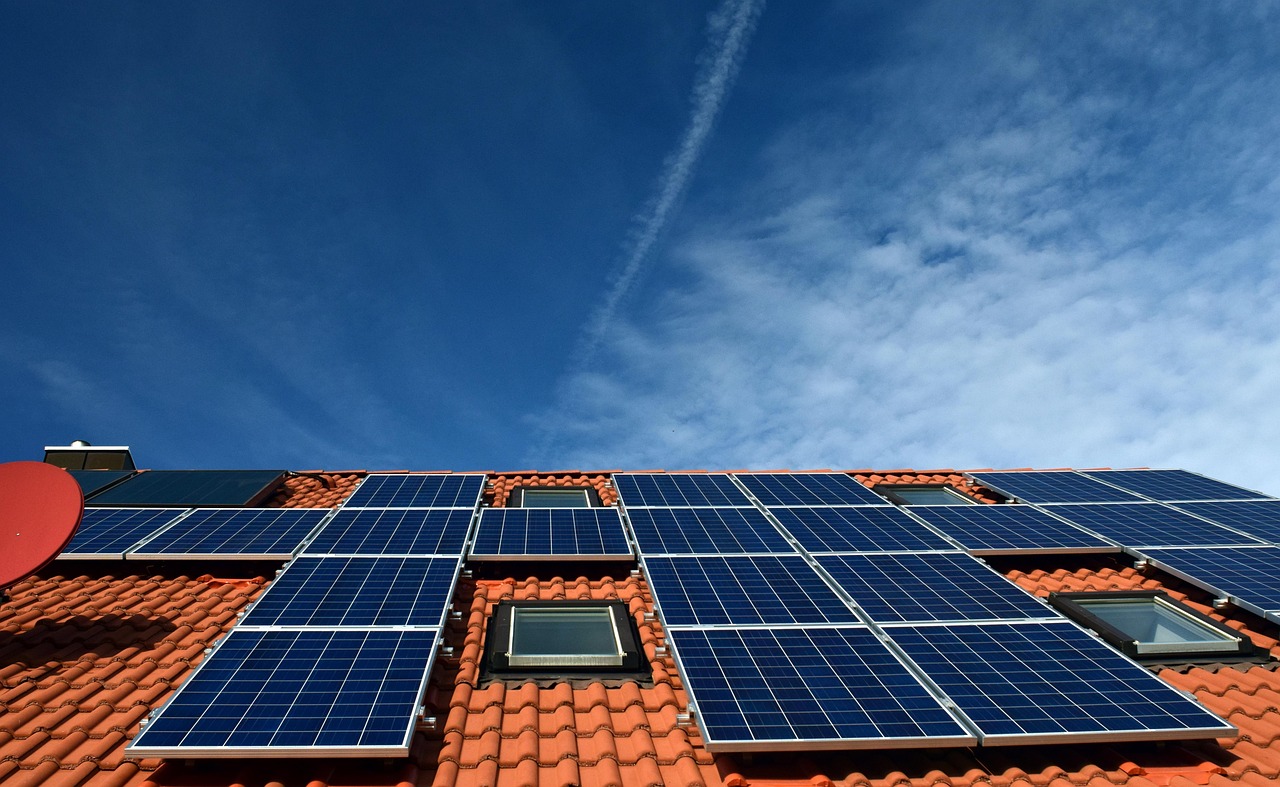
Building integrated photovoltaic panels turn parts of your building—roofs, façades, and windows—into electricity-generating surfaces while serving as functional building materials. You can cut energy costs and reduce your building’s carbon footprint by integrating PV directly into the structure instead of mounting separate solar arrays.
This post explains how BIPV works, the trade-offs between aesthetics and performance, and practical applications for commercial and residential projects. Expect clear comparisons, real-world examples, and guidance to help you decide whether BIPV fits your next design or retrofit.
Understanding Building Integrated Photovoltaic Panels
You will learn how BIPV converts sunlight into usable electricity while replacing conventional building materials, the common product types you can specify, and the core components that determine performance and integration.
How BIPV Panels Work
BIPV panels use photovoltaic cells embedded in modules that serve as part of the building envelope. When sunlight hits the solar cells, photons free electrons in the semiconductor material, generating direct current (DC) electricity. Your system typically routes that DC through an inverter to produce grid-compatible alternating current (AC) for on-site use or export.
BIPV also affects building performance beyond electricity. Modules act as cladding, roofing, glazing, or shading, so you must account for structural loading, thermal performance, and water-tightness during design. Metering and power electronics manage production, maximum-power-point tracking (MPPT) optimizes output, and safety devices protect against overcurrent and arc faults.
Types of Building Integrated Photovoltaic Panels
BIPV products come in several form factors you can choose based on function and aesthetics:
- Roof-integrated modules: Replace shingles or tiles; commonly used on pitched roofs.
- Façade/cladding panels: Flat or ventilated systems that attach to vertical walls.
- Glazed PV (semi-transparent): Integrated into windows or curtain walls to admit light while generating power.
- Curtain-wall and shading devices: Louvers or canopies that combine solar generation with solar control.
Each type differs in orientation, tilt, and exposure, which affects energy yield. Your selection must balance visual requirements, thermal and glare control, fire ratings, and local building codes. Some products use thin-film or crystalline cells; others use bifacial designs to capture reflected light.
Key Components and Technology
BIPV performance depends on cell technology, module construction, and electrical balance-of-system (BOS) parts. Cell options include monocrystalline silicon for higher efficiency and thin-film (CIGS, CdTe) for flexible or semi-transparent applications. Bifacial cells increase yield when installed over reflective or ventilated surfaces.
Module encapsulation, glass type, and frame details influence durability, fire resistance, and thermal behavior. Your BOS includes inverters (string, microinverters, or power optimizers), wiring, disconnects, monitoring systems, and mounting interfaces that must integrate with the building envelope. Compliance elements—wind and snow loading, fire classification, and water-tight flashings—are essential for permitting and long-term reliability.
Advantages and Applications of BIPV
BIPV replaces or becomes part of building elements to generate electricity while serving structural, aesthetic, or protective roles. You gain both energy generation and building-envelope functionality in the same component, which affects design, construction sequencing, and lifecycle costs.
Energy Efficiency and Cost Savings
BIPV produces on-site electricity that directly offsets your building’s grid consumption, lowering monthly energy bills. When you size systems to match daytime loads—lighting, HVAC, and appliances—you reduce peak demand charges and improve load factor.
You save on material and labor because BIPV can substitute for conventional cladding, roofing, or glazing. That reduces costs associated with separate mounting, racking, and some finishes, though initial module prices and specialized installation can be higher than standard materials.
Factor in incentives, net metering, and reduced HVAC loads (from shading or insulated glazing) to quantify payback. Run a lifecycle cost model that includes module replacement, inverter maintenance, and the avoided cost of the building component BIPV replaces.
Integration in Architectural Design
BIPV fits into roofs, façades, windows, canopies, and shading devices allowing you to maintain or enhance aesthetics. You can choose from opaque panels for exterior walls, semi-transparent modules for atria and skylights, and thin-film or glass-glass options for curtain walls.
Designers must coordinate electrical routing, fire egress, and building-envelope detailing early in schematics. You should plan for structural loads, thermal expansion, and access for maintenance to avoid later rework that raises costs and delays construction.
Use modular layouts to simplify replacement and phase installation with other trades. Digital tools (BIM, energy modeling) help you optimize orientation, tilt, and integration with HVAC and daylighting strategies to maximize performance and visual outcomes.
Environmental Impact
BIPV reduces operational carbon by generating renewable electricity on-site, lowering your building’s scope 2 emissions. When integrated as a replacement for conventional materials, it also reduces embodied impact associated with producing separate cladding or glazing.
Manufacturing processes and end-of-life disposal influence net environmental benefit. You should specify modules with recycled content, long warranties, and established recycling programs to minimize lifecycle impacts.
Additionally, BIPV can improve occupant comfort by providing shading and daylight control, which can reduce HVAC energy use and enhance indoor environmental quality. Track location-specific solar resource and manufacturing footprints to estimate realistic carbon savings.
 John Ryan