
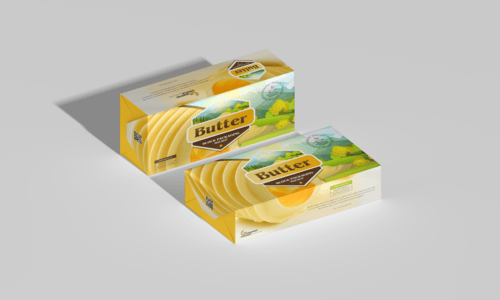
Introduction to Modern Butter Packaging
In the highly competitive food industry, butter packaging plays a vital role in preserving freshness, maintaining product integrity, and strengthening brand identity. We understand that butter is a delicate dairy product that requires precise protection against moisture, light, air exposure, and temperature fluctuations. High-quality packaging ensures longer shelf life while maintaining the rich flavor and creamy texture consumers expect.
Effective packaging not only safeguards butter during storage and transportation but also enhances the visual appeal of the product on retail shelves. As the demand for premium dairy products continues to grow, businesses must invest in innovative butter packaging design that combine functionality, sustainability, and branding.
Understanding the Importance of Butter Packaging
Preserving Freshness and Quality
Butter is highly sensitive to environmental factors. Proper butter packaging materials act as a protective barrier that prevents contamination and oxidation. Packaging helps retain the natural aroma, color, and taste of butter while protecting it from absorbing odors from surrounding foods.
Key protection features include:
-
Moisture resistance
-
Light protection
-
Air-tight sealing
-
Temperature stability
With these characteristics, butter remains fresh, flavorful, and safe for consumption throughout its shelf life.
Maintaining Product Hygiene
Food safety regulations demand strict hygiene standards. Reliable food-grade butter packaging prevents contamination during handling, storage, and transportation. High-quality packaging materials meet FDA and international food safety standards, ensuring consumers receive a safe dairy product.
Types of Butter Packaging Used in the Dairy Industry
Different butter brands choose packaging based on product type, distribution channel, and branding strategy. We focus on the most effective and widely used packaging formats.
Foil Butter Wrappers
Aluminum foil butter packaging is one of the most common solutions in the dairy industry. Foil provides an excellent barrier against light, oxygen, and moisture, making it ideal for preserving butter’s quality.
Advantages include:
-
Superior freshness preservation
-
Excellent heat and moisture resistance
-
Lightweight and cost-effective
-
Easy to print for branding
Foil wrappers are frequently laminated with parchment or wax paper to enhance durability and maintain food safety standards.
Wax Paper Butter Packaging
Wax paper butter wrapping offers a classic and practical solution for protecting butter. The wax coating prevents grease from leaking while preserving the product’s shape and texture.
Key benefits include:
-
Grease-resistant properties
-
Flexible and easy to fold
-
Cost-efficient packaging option
-
Ideal for both retail and bakery use
Many artisanal butter brands prefer wax paper packaging because it delivers a traditional and premium appearance.
Butter Carton Boxes
Butter carton packaging is widely used for retail presentation. These boxes are typically made from food-grade cardboard and provide additional protection during shipping and storage.
Features include:
-
Strong structural support
-
Enhanced branding and marketing opportunities
-
Easy stacking for retail shelves
-
Protection against physical damage
Custom butter cartons also allow companies to add nutritional labels, ingredient information, and branding elements.
Plastic Butter Containers
For spreadable butter products, plastic butter containers offer convenience and resealability. These containers are commonly used for margarine and whipped butter products.
Advantages include:
-
Resealable lids
-
Durable and leak-resistant
-
Convenient for repeated use
-
Excellent product visibility
However, many brands are now exploring eco-friendly alternatives due to growing environmental concerns.
Custom Butter Packaging for Brand Differentiation
Creating Strong Brand Identity
In a crowded marketplace, custom butter packaging allows brands to stand out. Unique packaging designs help create a memorable visual experience that attracts consumers and encourages repeat purchases.
Effective branding elements include:
-
Custom printed logos
-
Eye-catching colors and graphics
-
Elegant typography
-
Premium finishing techniques
Well-designed packaging communicates quality, authenticity, and brand values at first glance.
High-End Finishing Techniques
Premium butter brands often use specialized finishing options to enhance the packaging’s appearance.
Popular finishing methods include:
-
Matte and gloss lamination
-
Embossing and debossing
-
Foil stamping
-
Spot UV coating
These features give butter packaging a luxurious look that appeals to high-end consumers.
Eco-Friendly Butter Packaging Solutions
Sustainable Packaging Materials
Consumers today are increasingly conscious of environmental impact. Sustainable butter packaging materials help brands reduce their carbon footprint while meeting consumer expectations.
Eco-friendly options include:
-
Biodegradable paper wraps
-
Recyclable cardboard cartons
-
Compostable packaging films
-
Plant-based coatings
By adopting environmentally responsible packaging, brands demonstrate commitment to sustainability and responsible manufacturing.
Reducing Plastic Waste in Butter Packaging
Many dairy companies are moving away from traditional plastic containers. Replacing plastic with paper-based or biodegradable materials helps reduce landfill waste and supports global sustainability initiatives.
Sustainable packaging offers several benefits:
-
Improved brand reputation
-
Increased consumer trust
-
Compliance with environmental regulations
-
Reduced ecological impact
Key Features of Effective Butter Packaging Design
Barrier Protection
Butter packaging must act as a protective shield against:
-
Oxygen exposure
-
Moisture infiltration
-
UV light
-
External odors
High-barrier materials ensure that butter remains fresh and uncontaminated throughout distribution.
Temperature Resistance
Butter is extremely sensitive to heat. Quality packaging maintains structural integrity during refrigerated storage and transportation.
Advanced packaging solutions include multi-layer laminated materials that provide superior insulation.
Convenience and Usability
Consumers prefer packaging that is easy to use. Practical design features include:
-
Easy-open wrappers
-
Resealable containers
-
Portion-control markings
-
Compact storage shapes
Convenience significantly improves the overall consumer experience.
Butter Packaging for Retail and Wholesale Markets
Retail Butter Packaging
Retail packaging focuses on attractive design and consumer convenience. Packaging must capture attention on supermarket shelves while communicating product quality.
Retail butter packaging typically includes:
-
Nutritional information
-
Expiration dates
-
Brand logos
-
Product descriptions
This information helps customers make informed purchasing decisions.
Bulk and Wholesale Butter Packaging
For foodservice industries, butter is often packaged in large blocks or bulk containers. Wholesale packaging prioritizes durability, cost efficiency, and easy transportation.
Bulk packaging options include:
-
Large foil-wrapped butter blocks
-
Industrial cardboard cartons
-
Food-grade plastic tubs
These packaging formats simplify storage and distribution for restaurants, bakeries, and food manufacturers.
Innovations in Butter Packaging Technology
Smart Packaging Solutions
Modern packaging technology now includes smart packaging features that improve product monitoring.
Examples include:
-
Temperature-sensitive labels
-
Freshness indicators
-
QR codes for traceability
These technologies enhance quality control and supply chain transparency.
Advanced Printing Technology
Digital and offset printing methods allow brands to produce high-resolution graphics and vibrant packaging designs. Advanced printing techniques improve brand visibility while maintaining food-safe ink standards.
How Butter Packaging Enhances Consumer Experience
Attractive and functional packaging directly influences purchasing behavior. High-quality packaging provides consumers with:
-
Confidence in product freshness
-
Easy storage and handling
-
Clear product information
-
A visually appealing product presentation
By investing in premium butter packaging design, brands create a positive first impression and build long-term customer loyalty with custom designs boxes.
Future Trends in Butter Packaging
The future of butter packaging is driven by innovation, sustainability, and consumer convenience. Industry trends indicate growing demand for:
-
Compostable packaging materials
-
Minimalist packaging designs
-
Smart labeling technologies
-
Reusable packaging containers
Brands that embrace these advancements will remain competitive in the evolving dairy market.
Conclusion
Butter packaging has evolved far beyond simple wrappers. Today, it serves as a powerful combination of product protection, brand marketing, and sustainability innovation. By using advanced materials, creative design, and environmentally responsible solutions, we ensure butter remains fresh, appealing, and safe for consumers.
Whether through foil wraps, wax paper, carton boxes, or eco-friendly alternatives, effective butter packaging plays a crucial role in preserving quality and strengthening brand recognition. Businesses that prioritize premium packaging solutions will gain a competitive advantage in the global dairy market while delivering superior products to their customers.