
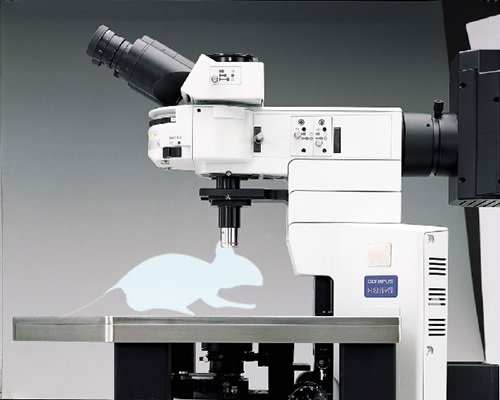
Modern biological research requires powerful imaging systems that allow scientists to observe cellular activity with high precision. In fields such as neuroscience, physiology, and live cell studies, researchers depend on microscopes that deliver exceptional clarity, stability, and flexibility. The BX51WI microscope is specifically designed to support these demanding research applications.
This advanced upright microscope is widely used in laboratories that perform electrophysiology experiments and live tissue imaging. With its superior optical performance and adaptable design, the BX51WI microscope enables researchers to capture detailed images of biological specimens while maintaining experimental accuracy.
In this article, we explore the key features, applications, and benefits of the BX51WI microscope and why it has become a preferred choice for advanced life science research.
Optimized for Electrophysiology Experiments
One of the most important applications of the BX51WI microscope is in electrophysiology research. Scientists studying neural activity often need to observe live tissue while recording electrical signals from individual cells. These experiments require a microscope that provides stability, precision, and sufficient working space for additional equipment.
The BX51WI microscope offers an open and flexible design that allows researchers to easily position micromanipulators, electrodes, and perfusion systems around the specimen. This configuration is essential for complex procedures such as patch-clamp recording, where accurate placement of electrodes is critical.
The microscope also supports long working distance objectives, enabling researchers to observe specimens even when experimental devices are positioned close to the sample.
High-Quality Optical System for Detailed Imaging
Optical performance plays a crucial role in scientific imaging. The BX51WI microscope is equipped with advanced optics that provide exceptional image clarity and contrast. This allows researchers to observe fine cellular structures and tissue details with high accuracy.
The microscope supports multiple observation techniques, including:
-
Brightfield microscopy
-
Differential Interference Contrast (DIC)
-
Fluorescence microscopy
These imaging methods help researchers visualize different biological structures and processes. For example, fluorescence microscopy can highlight specific proteins or cellular components, while DIC enhances contrast in transparent specimens.
The ability to switch between imaging techniques makes the BX51WI microscope highly versatile for a wide range of biological experiments.
Stable Platform for Sensitive Research
Many biological experiments involve extremely delicate samples and precise measurement tools. Even minor vibrations can interfere with results or damage specimens. The BX51WI microscope is designed with a robust frame that provides excellent stability during experiments.
This stability is especially important in electrophysiology studies where electrodes are used to measure electrical signals from individual cells. A stable microscope platform ensures accurate recordings and reliable experimental outcomes.
Additionally, the BX51WI microscope can be integrated with vibration isolation tables and advanced imaging systems to further enhance experimental precision.
Flexible and Modular Design
Research laboratories often require equipment that can adapt to different experimental setups. The BX51WI microscope offers a modular design that allows scientists to customize the system according to their research needs.
Various accessories and components can be integrated with the microscope, including:
-
Digital imaging cameras
-
Fluorescence filter cubes
-
Motorized stages
-
Micromanipulators
This flexibility enables laboratories to expand the capabilities of the microscope over time. As research techniques evolve, the BX51WI microscope can be upgraded to support new imaging methods and experimental requirements.
Applications in Multiple Research Fields
The BX51WI microscope is widely used in several areas of life science research. Its advanced imaging capabilities make it suitable for both academic laboratories and biomedical research centers.
Neuroscience Research
Neuroscientists frequently use the BX51WI microscope to study neurons, synaptic activity, and neural circuits. The microscope’s design allows researchers to perform electrophysiological recordings on brain slices and live tissue samples.
Cell Biology
In cell biology studies, the microscope helps scientists examine cell structure, cell division, and intracellular processes. The high-resolution imaging system allows researchers to observe changes in cellular behavior.
Physiology Research
Physiologists use the BX51WI microscope to analyze tissue responses and cellular communication within living organisms. This information helps scientists understand how biological systems function.
Pharmacology Studies
Pharmaceutical researchers often rely on advanced microscopes to investigate how drugs interact with cells and tissues. The BX51WI microscope supports these studies by providing accurate visualization of biological responses.
Ergonomic Design for Comfortable Operation
Scientific research often involves long hours of microscope observation. The BX51WI microscope is designed with ergonomics in mind to ensure user comfort and efficiency.
Its intuitive controls allow smooth focusing adjustments and easy manipulation of samples. Researchers can quickly modify experimental setups without disrupting the observation process.
The user-friendly design improves workflow efficiency and helps laboratories maintain productivity during complex experiments.
Digital Imaging and Documentation
Modern laboratories rely heavily on digital imaging systems for research documentation and analysis. The BX51WI microscope can be integrated with advanced digital cameras and imaging software.
Digital imaging provides several advantages, including:
-
Capturing high-resolution images of biological samples
-
Recording videos of live cellular activity
-
Sharing data with research teams
-
Supporting scientific publications and presentations
These capabilities allow researchers to document their findings accurately and communicate results effectively.
Conclusion
Scientific advancements in neuroscience, physiology, and cell biology depend on reliable and precise imaging tools. The BX51WI microscope provides researchers with the optical performance, stability, and flexibility required for modern life science research.
Its ability to support electrophysiology experiments, live tissue imaging, and advanced microscopy techniques makes it an essential instrument in many laboratories. With its robust design and adaptable configuration, the BX51WI microscope continues to play a critical role in helping scientists explore complex biological systems.
By enabling detailed observation of cells and tissues, the BX51WI microscope contributes to new discoveries that advance our understanding of biology and medicine.