
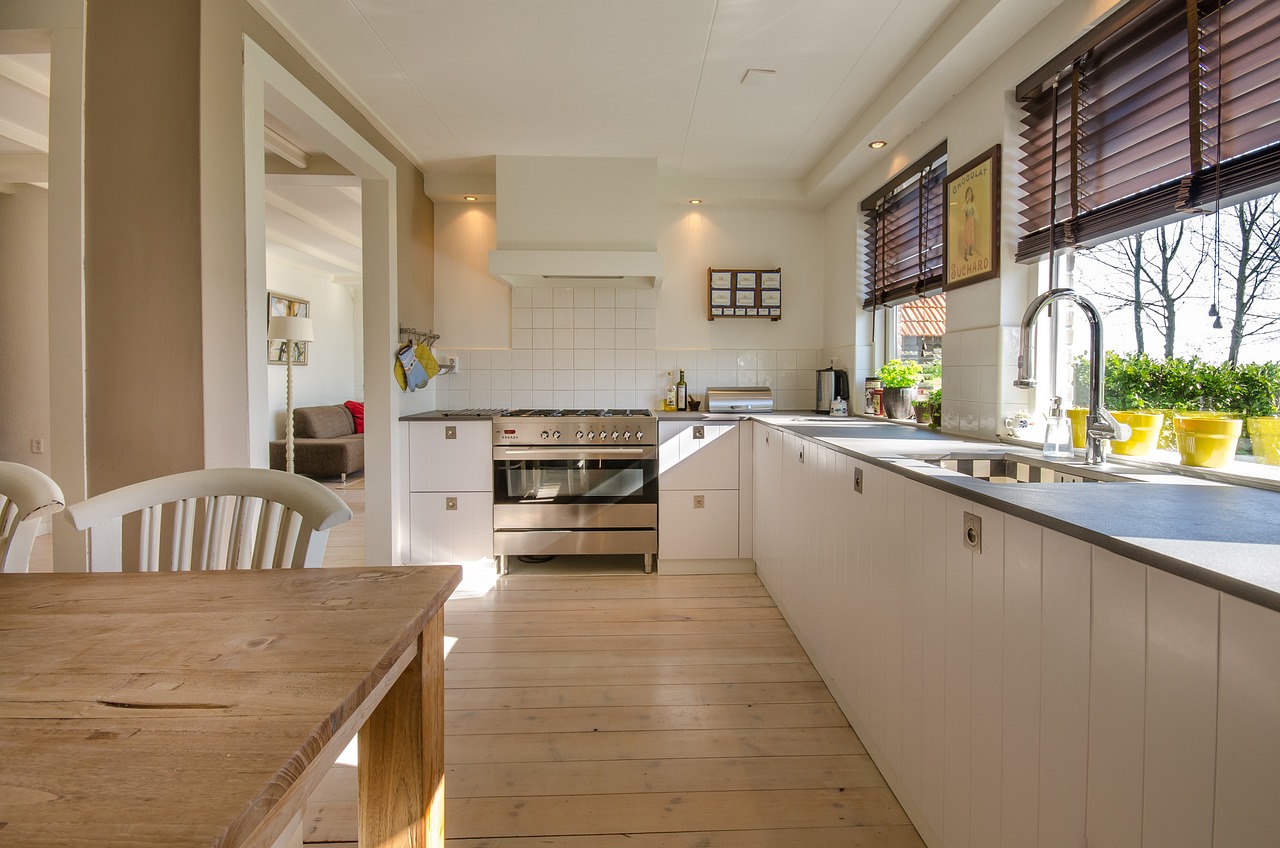
Thinking about a condo renovation Toronto can feel overwhelming, but you can navigate permits, condo board rules, and tight timelines without losing sleep. Start by mapping your priorities—budget, timeline, and must-have changes—so you can pick the right contractor and materials that suit high-rise living and city regulations.
You’ll want practical guidance on planning, choosing durable materials, and working with contractors who handle board approvals and insurance. Expect clear steps on budgeting, layout choices, and finishes that balance style with condo-specific constraints so your project runs smoothly and adds lasting value.
Condo Renovation Planning In Toronto
You need a clear plan that addresses condo rules, city permits, and realistic budgeting. Tackle building restrictions first, secure necessary approvals early, and set a contingency within your budget.
Understanding Condominium Regulations
Toronto condominiums enforce bylaws, rules, and declarations that govern renovations. Review your condo’s declaration and rules for restrictions on flooring types, plumbing or electrical changes, and noise windows. Many buildings require work to occur during set hours and mandate protective measures in common areas.
You must obtain written approval from the condo board or property manager before starting structural, mechanical, or visible changes. Provide detailed drawings, contractor insurance certificates, and a proposed schedule. Anticipate requirements for damage deposits, site cleaning, and removal of construction waste.
Ask the condo for a list of approved contractors and any mandatory pre-construction meetings. Noncompliance can lead to work stoppages or fines, so confirm approval in writing and keep records of all correspondence.
Obtaining Permits And Approvals
Determine whether your scope of work needs a City of Toronto building permit. Typical triggers include moving load-bearing walls, altering plumbing stacks, or changing electrical service. Minor cosmetic work like painting or cabinet replacement usually does not require a permit.
Prepare permit drawings showing floor plans, elevations, and construction details. Hire a licensed designer or engineer when structural or code compliance issues arise. Submit applications through Toronto’s online portal and track inspections—plan at least 4–8 weeks for permit processing on non-complex projects.
Coordinate condo approvals and municipal permits concurrently to avoid delays. Schedule inspections at required stages (insulation, framing, final) and provide the condo board with proof of passed inspections when requested.
Budgeting For Your Project
Set a detailed budget that separates fixed costs, variable costs, and contingency. Include design fees, permit fees, materials, labour, condo-required deposits, and HST. For Toronto condos, add 10–20% contingency for unforeseen issues like concealed water damage or required fire separation work.
Get multiple written quotes and compare allowances for fixtures, finishes, and appliance brands. Specify allowances in your contract to avoid mid-project cost creep. Reserve funds for condo-specific expenses such as elevator bookings, protective floor coverings, and damage deposits.
Track expenses against milestones and require change orders for any scope changes. Keep a running log of receipts, contracts, and correspondence to support warranty claims and potential condo inquiries.
Choosing Materials And Design Options
You’ll prioritize durable, low-maintenance surfaces, efficient layout choices, and fixtures that match building rules and your lifestyle. Focus on materials that resist humidity, maximize light, and make small spaces feel larger.
Popular Modern Design Trends
Embrace a neutral palette with textured accents to keep your condo feeling open and current. Think warm greys, soft whites, and layered materials like matte cabinetry paired with wood or stone-look counters.
Open shelving and integrated appliances create a streamlined look while improving storage access. Matte black or brushed brass hardware remains popular for contrast; choose one accent metal and repeat it across pulls, faucets, and lighting for cohesion.
Consider full-height backsplashes or large-format tiles to reduce grout lines and simplify cleaning. Use concealed range hoods and panel-ready appliances to maintain visual continuity in compact kitchens.
Selecting Finishes And Fixtures
Pick cabinet materials that resist warping from humidity—thermofoil, painted MDF with marine-grade primer, or real wood veneers with a protective finish perform well. Avoid raw particleboard in kitchens and bathrooms.
For countertops, prioritize quartz for durability and low maintenance; select edge profiles that won’t chip in tight spaces. In bathrooms, use porcelain tiles for floors and wet walls and install linear drains where possible to improve waterproofing.
Choose LED lighting with adjustable color temperature (2700K–3500K) and dimming capability. Select water-efficient fixtures (dual-flush toilets, 1.5–2.2 GPM faucets) to meet Toronto condo standards and lower utility costs. Confirm all fixtures comply with your building’s submission and installation rules before purchase.
Maximizing Space Efficiency
Use multi-functional furniture and built-ins to reclaim floor space: a kitchen island with integrated storage, a Murphy bed with shelving, or entryway benches with shoe storage. Measure door swing and hallway clearances before finalizing layouts.
Optimize vertical space with upper cabinets or open shelving to the ceiling; add an accessible step stool that stows away. In small bathrooms, choose a wall-mounted vanity and a pocket door to free up circulation space.
Plan sight lines and lighting to make the unit feel larger. Place mirrors opposite windows, use continuous flooring to create flow, and keep thresholds minimal to avoid visual breaks between rooms.
 John Ryan