
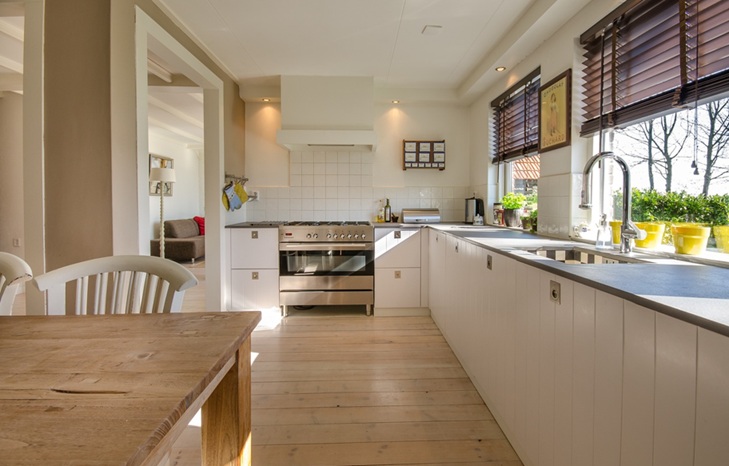
You want a kitchen that fits your life, not the other way around. Custom kitchens and cabinets let you control layout, materials, and storage so your space works efficiently and looks the way you want. With thoughtful design and the right cabinetry, you can solve daily workflow problems, maximize storage, and increase long-term value.
This custom kitchens & cabinet article walks through how to plan styles and finishes, match cabinet construction to use and budget, and handle installation and care so your custom work lasts. Expect practical guidance on choosing configurations, materials, and maintenance steps that keep your kitchen performing and looking great.
Designing Custom Kitchens and Cabinets
You’ll balance workflow, materials, style, and appliance integration to make the space efficient, durable, and visually cohesive. Focus on clear work zones, durable surface choices, consistent cabinet details, and appliance placement that supports your daily routines.
Space Planning and Workflow
Map primary work zones: cooking, prep, cleanup, and storage. Center your work triangle around the range, sink, and refrigerator so the distances between them range roughly 4–9 feet each for efficient movement.
Place prep space adjacent to the main cooking surface and include a clear landing area of at least 15–24 inches on one side of the range and refrigerator for staging and hot items.
Plan cabinetry heights and depths to match your reach and storage needs. Use a mix of deep drawers (for pots and pans) and tall pantry units with pull-out shelves for canned goods and small appliances.
Account for traffic paths and an island clearance of 36–48 inches to allow two people to pass comfortably. Include dedicated zones like a coffee station or baking center if you perform those tasks frequently.
Materials and Finishes
Pick cabinet materials based on durability and maintenance. Solid hardwood frames and plywood box construction resist warping better than MDF in humid kitchens.
Choose finishes that match wear: painted finishes hide imperfections but show chips; thermofoil is affordable but susceptible to heat; lacquer and conversion varnish provide harder, more repairable surfaces.
Select countertop materials by use: quartz resists stains and requires no sealing; granite is heat-resistant but needs periodic sealing; solid-surface allows seamless integration with sinks.
Match hardware finish and cabinet finish for cohesion. Use matte or satin finishes in high-touch areas to hide fingerprints, and consider protective treatments (e.g., oil or lacquer) on natural woods to minimize moisture damage.
Custom Cabinet Styles
Decide on door style first: slab for modern minimalism, Shaker for transitional, raised-panel for traditional. Door profile determines overall room character, so sample full-size doors in your lighting before ordering.
Specify internal organization at the design stage: deep pot drawers, vertical tray dividers, spice pull-outs, and adjustable shelving prevent retrofit costs. Include soft-close hinges and full-extension glides for longevity and access.
Tailor face-frame vs. frameless construction to your aesthetic and budget. Frameless gives a sleeker look with more internal space; face-frame provides added rigidity and easier on-site adjustments.
Consider custom detailing like inset doors, applied moldings, or glass-front uppers to add visual depth. Document every finish, edge type, and reveal dimension in the drawings to avoid surprises during fabrication.
Integration of Appliances
Position major appliances to support your workflow and ventilation needs. Place the range near a dedicated exhaust hood with at least 400–600 CFM for gas ranges, and ensure hood ducting runs with minimal bends.
Plan clearances for refrigerator door swing and side clearances for panel-ready integrated units. Confirm appliance rough-in dimensions and service access before finalizing cabinet widths.
Design cabinet faces and panels to conceal dishwashers and refrigerators if you want a seamless look. Use custom filler panels and toe-kicks to maintain consistent reveal lines.
Route plumbing and electrical during the design so built-in microwaves, undercounter ovens, and wine coolers install without cabinet modification. Label circuits and plumbing points on the plan for the contractor.
Installation and Maintenance
You’ll learn what to expect during a professional install, which materials extend cabinet life, and simple routines that prevent damage and costly repairs.
Professional Installation Process
A professional installer begins with a careful site survey and precise measurements. Expect the installer to remove existing cabinets safely, check wall studs and floor level, and confirm utility locations for sinks, gas, and electrical before cutting or fastening anything.
Installers typically build or assemble cabinets off-site or in a protected area, then set and fasten base cabinets to the floor and wall studs using long structural screws. Wall cabinets go up next, with a ledger or temporary support used to ensure level alignment. Final steps include adjusting doors and drawers, installing hardware and trim, and sealing gaps around backsplashes and countertops.
Ask for a written scope: timeline, materials, warranty, and post-installation adjustments. Keep documentation of any on-site changes, and expect a follow-up visit for fine-tuning within a few weeks.
Longevity and Durability Considerations
Material choice determines how long cabinets last under daily use. Solid wood and plywood boxes resist warping and handle humidity better than particleboard; look for plywood or hardwood face frames in kitchens with wide temperature swings or frequent cooking.
Hardware quality affects function: soft-close hinges and full-extension drawer slides reduce impact stress and make components last longer. Pay attention to finishes—catalyzed lacquer or UV-cured finishes resist stains and alcohol better than basic paints or varnishes.
Proper installation matters for durability. Cabinets fastened into studs with corrosion-resistant screws and backed with adequate support prevent sagging and joint failure. Plan for ventilation near dishwashers and cooktops to avoid moisture build-up that shortens cabinet life.
Care and Cleaning Tips
Clean spills promptly with a damp cloth and mild dish soap; avoid abrasive pads and harsh solvents that strip finishes. For grease, use a degreasing cleaner rated safe for your finish and wipe dry immediately to prevent moisture infiltration.
Lubricate drawer slides and hinges annually with a silicone-based lubricant and tighten loose screws to prevent misalignment. Use felt pads under small appliances to prevent surface scratches and cycle drawer loads to avoid overloading—keep weight within manufacturer limits.
Protect cabinet interiors by using sealed containers for food and avoiding direct contact between wet items and wood. Refinish or touch up chips quickly using manufacturer-matched touch-up kits to keep surfaces sealed against moisture and wear.
 John Ryan