
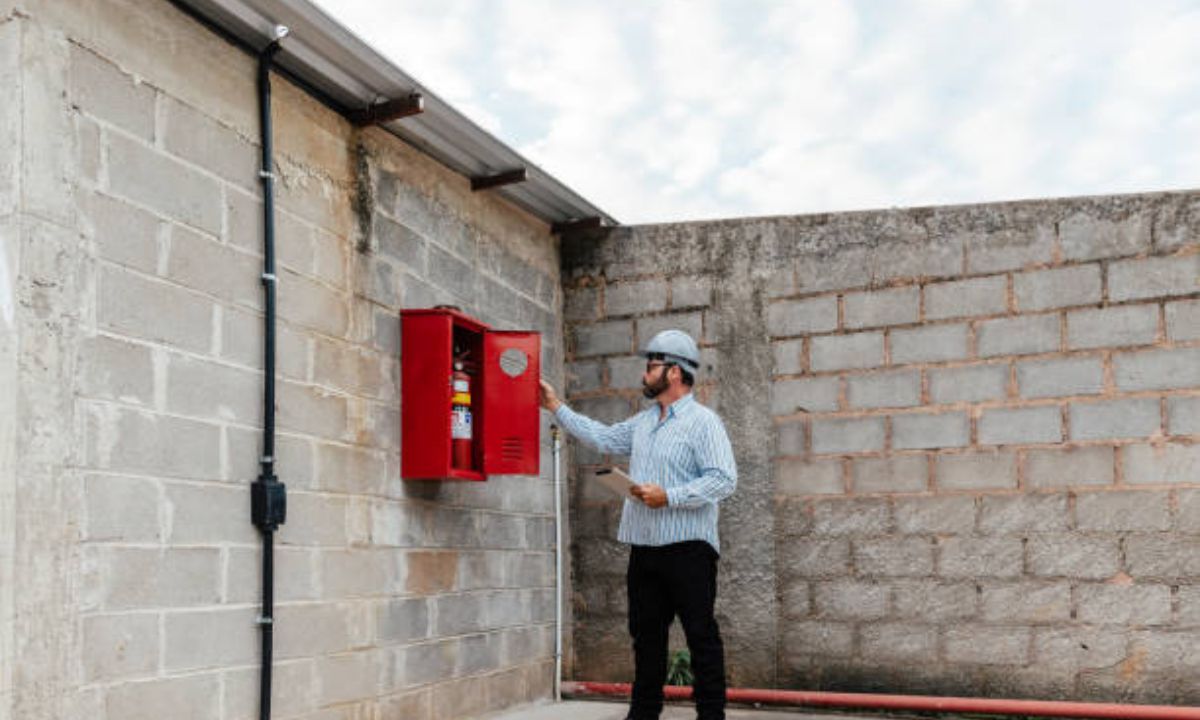
Fire safety is a legal and moral responsibility for property owners and businesses across London. With strict UK fire regulations in place, conducting a professional Fire Risk Assessment in London is not just recommended—it is mandatory for most non-domestic premises. Whether you own a commercial building, manage rental properties, or operate a business, understanding fire risk assessments is essential to protect lives, property, and your legal standing.
What Is a Fire Risk Assessment?
A fire risk assessment is a systematic Fire Risk Assessment in London evaluation of a building to identify potential fire hazards and determine the risk to people. It also outlines measures to reduce or eliminate those risks.
Under the Regulatory Reform (Fire Safety) Order 2005, the “responsible person” must ensure a fire risk assessment is carried out and regularly reviewed. In London, local authorities and the London Fire Brigade actively enforce compliance.
The responsible person can be:
-
Employer
-
Business owner
-
Landlord
-
Property manager
-
Building owner
Failure to comply can result in fines, prosecution, or even imprisonment.
Why Fire Risk Assessments Are Crucial in London
London is one of the busiest and most densely populated cities in the UK. It includes a mix of:
-
High-rise residential buildings
-
Commercial offices
-
Restaurants and retail spaces
-
Warehouses
-
Historic properties
Due to high occupancy and complex building layouts, the risk of fire spreading quickly is greater. A professional fire risk assessment ensures that safety measures are in place to protect occupants and meet legal requirements.
Who Needs a Fire Risk Assessment in London?
You are legally required to have a fire risk assessment if you are responsible for:
-
Offices and commercial buildings
-
Shops and retail units
-
Restaurants and cafés
-
Hotels and guest houses
-
Schools and educational facilities
-
Care homes
-
HMOs (Houses in Multiple Occupation)
-
Blocks of flats (communal areas)
-
Warehouses and industrial units
Even small businesses operating from shared premises must comply with fire safety regulations.
What Does a Fire Risk Assessment Include?
A professional fire risk assessment in London typically follows five key steps:
Identify Fire Hazards
The assessor will look for potential sources of ignition, fuel, and oxygen. Common hazards include:
-
Electrical equipment
-
Gas appliances
-
Flammable materials
-
Poor storage practices
-
Heating systems
Identify People at Risk
This includes:
-
Employees
-
Customers
-
Visitors
-
Residents
-
Vulnerable individuals (elderly or disabled persons)
Assessors consider how quickly people can evacuate and whether additional safety measures are required.
Evaluate, Remove or Reduce Risks
The assessor determines whether existing fire safety measures are adequate. This may involve recommendations such as:
-
Installing fire alarms
-
Improving emergency lighting
-
Adding fire extinguishers
-
Upgrading fire doors
-
Enhancing escape routes
Record Findings
For businesses with five or more employees, it is mandatory to document the assessment findings. The report should clearly outline hazards, risks, and recommended actions.
Review and Update
Fire risk assessments must be reviewed regularly, especially if:
-
Building layout changes
-
New equipment is installed
-
Occupancy levels increase
-
There is a fire incident
Key Fire Safety Measures Recommended
After conducting a fire risk assessment, several safety improvements may be recommended, including:
Fire Alarm Systems
A properly installed and maintained fire alarm system ensures early detection and quick evacuation.
Emergency Lighting
Essential in case of power failure, emergency lighting helps guide occupants safely to exits.
Fire Extinguishers
Appropriate fire extinguishers must be installed and maintained according to the type of risk present.
Fire Doors
Fire doors help contain fire and smoke, protecting escape routes.
Clear Escape Routes
Emergency exits must be clearly marked, unobstructed, and accessible at all times.
Fire Risk Assessment for Residential Buildings in London
In blocks of flats and HMOs, landlords are responsible for communal areas such as:
-
Hallways
-
Staircases
-
Shared kitchens
-
Basements
Regular fire risk assessments help ensure:
-
Fire doors are functional
-
Alarm systems are working
-
Escape routes are safe
-
Fire signage is visible
Given the high density of residential buildings in London, compliance is essential to protect tenants.
Consequences of Not Having a Fire Risk Assessment
Failure to conduct or update a fire risk assessment can result in:
-
Enforcement notices
-
Heavy fines
-
Business closure
-
Criminal prosecution
-
Increased insurance premiums
-
Serious injury or loss of life
London authorities actively inspect properties to ensure compliance, particularly in high-risk sectors like hospitality and residential rentals.
How Often Should a Fire Risk Assessment Be Reviewed?
While there is no fixed timeframe, it is recommended to review your fire risk assessment:
-
Annually
-
After significant building changes
-
After installing new equipment
-
Following a fire incident
-
If occupancy changes
Regular reviews ensure your fire safety measures remain effective and legally compliant.
Benefits of a Professional Fire Risk Assessment
Hiring a qualified fire risk assessor provides several advantages:
-
Legal compliance with UK regulations
-
Improved occupant safety
-
Reduced fire hazards
-
Clear action plan for improvements
-
Peace of mind
-
Enhanced business reputation
Professional assessors understand London’s building structures and local enforcement standards, ensuring accurate evaluations.
Choosing a Fire Risk Assessment Provider in London
When selecting a provider, ensure they:
-
Have relevant fire safety qualifications
-
Understand UK fire safety laws
-
Provide detailed written reports
-
Offer clear, practical recommendations
-
Have experience with your property type
A reliable assessor will not only identify risks but also help you implement effective safety measures.
Final Thoughts
Fire safety should never be overlooked. A comprehensive Fire Risk Assessment in London is essential for protecting lives, property, and businesses. With strict regulations and active enforcement across the city, compliance is both a legal obligation and a moral responsibility. Taking proactive steps today can prevent devastating consequences tomorrow.
FAQs
1. Is a fire risk assessment legally required in London?
Yes. Under UK law, most non-domestic premises and communal residential areas must have a fire risk assessment.
2. How long does a fire risk assessment take?
It depends on property size, but most assessments take between 1–3 hours.
3. How often should it be reviewed?
At least annually or whenever significant changes occur in the building.
4. Who is responsible for arranging a fire risk assessment?
The “responsible person,” such as a business owner, landlord, or property manager.
5. What happens if I don’t have one?
You could face fines, legal action, or business closure for non-compliance.