
Introduction
The caregiving profession is evolving rapidly as healthcare systems around the world adapt to new challenges and opportunities. One of the most significant changes shaping the future of caregiving is the integration of technology into caregiver training. Modern caregivers are expected to provide more advanced and specialized care than ever before, and technology is playing a key role in helping them develop the necessary knowledge and skills.
From online learning platforms to virtual simulations and mobile training applications, technology is transforming how caregivers learn, practice, and improve their abilities. These innovations are making caregiver education more accessible, flexible, and effective, ultimately leading to better care for patients and stronger professional development for caregivers.
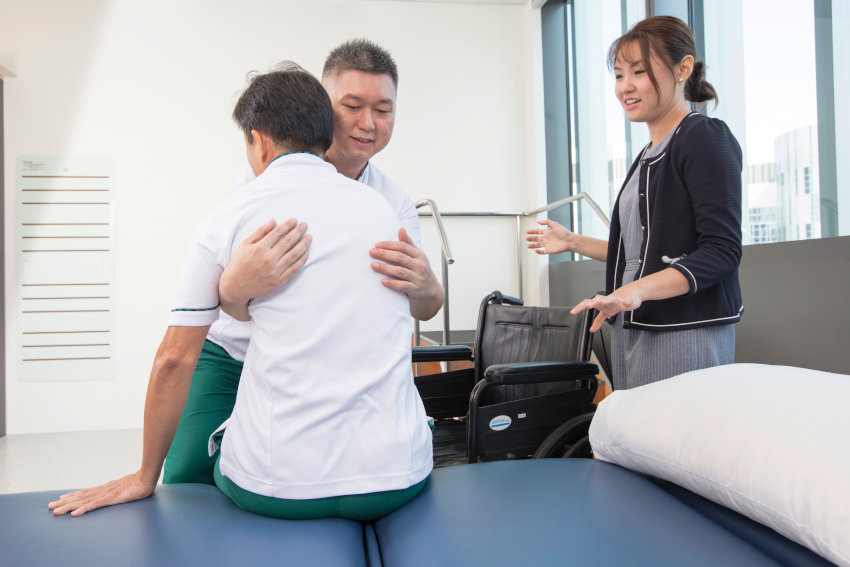
The Changing Landscape of Caregiver Training
In the past, caregiver training programs often relied heavily on classroom instruction and in-person workshops. While these traditional methods provided valuable knowledge, they sometimes limited access for individuals who could not attend training centers due to location, financial barriers, or scheduling conflicts.
Today, digital technology has opened new doors for caregiver education. Online training programs allow caregivers to learn at their own pace, access educational materials anytime, and participate in courses from anywhere in the world. This flexibility has made it easier for aspiring caregivers and experienced professionals to continue their education while managing their responsibilities.
Technology-driven training programs are also more interactive and engaging than traditional lectures. By using digital tools such as videos, quizzes, and simulations, caregivers can better understand real-world caregiving situations and practice important skills in a safe learning environment.
Online Learning Platforms for Caregiver Education
Online education platforms have become one of the most powerful tools in caregiver training. These platforms offer structured courses that cover essential topics such as patient safety, medication management, infection control, and communication skills.
Caregivers can access these courses using computers, tablets, or smartphones, making it possible to learn from home or during free time. Many online programs also include certifications that demonstrate professional competence and help caregivers advance in their careers.
The flexibility of online training is particularly beneficial for individuals who are entering the caregiving profession while balancing other responsibilities such as family or part-time work. By removing geographical barriers, technology allows more people to gain the education needed to become qualified caregivers.
Virtual Reality and Simulation-Based Training
Virtual reality and simulation technology are introducing a new level of realism to caregiver training. Through virtual environments, caregivers can practice responding to medical situations and patient needs in a controlled setting.
For example, simulation programs may allow caregivers to practice assisting patients with mobility, managing emergency situations, or communicating with individuals who have cognitive impairments. These experiences help caregivers build confidence and develop practical skills before working with real patients.
Simulation training also allows instructors to provide immediate feedback and guidance, helping caregivers understand how to improve their performance. This type of hands-on learning experience can significantly enhance skill development and reduce mistakes in real caregiving situations.
Mobile Applications for Continuous Learning
Mobile applications are becoming another important component of caregiver education. Many training programs now provide apps that offer quick access to learning materials, care guidelines, and practical caregiving tips.
These apps allow caregivers to review training modules, watch instructional videos, and track their progress. Some applications also include reminders for continuing education requirements and certification renewals.
Mobile technology makes learning more convenient and helps caregivers stay updated on the latest healthcare practices. By having educational resources available at their fingertips, caregivers can continuously strengthen their knowledge and skills.
Digital Tools for Care Coordination
Technology is not only transforming training but also helping caregivers apply their skills more effectively in real caregiving environments. Digital care management systems allow caregivers to record patient information, track medication schedules, and communicate with healthcare professionals.
Learning how to use these tools during training programs prepares caregivers for modern healthcare environments where digital coordination is essential. Understanding these systems improves efficiency, reduces errors, and ensures that patients receive consistent and organized care.
Expanding Access to Caregiver Education
One of the greatest benefits of technology in caregiver training is the ability to expand access to education. In many regions, individuals interested in caregiving careers may not have nearby training centers or affordable programs.
Technology helps bridge this gap by providing remote learning opportunities and online certifications. Nonprofit organizations, educational institutions, and caregiver support foundations are increasingly using digital platforms to provide training resources and financial assistance.
These initiatives allow individuals from diverse backgrounds to enter the caregiving workforce and contribute to meeting the growing demand for care services worldwide.
The Future of Technology in Caregiver Training
The role of technology in caregiver education will continue to grow in the coming years. Artificial intelligence, interactive simulations, and personalized learning platforms are expected to further enhance training programs.
AI-powered systems may soon be able to analyze a caregiver’s learning progress and recommend specific training modules to improve their skills. Advanced simulation environments could replicate complex healthcare scenarios, allowing caregivers to practice decision-making in realistic situations.
As these innovations continue to develop, caregivers will have access to more powerful learning tools that support both professional growth and high-quality patient care.
Conclusion
Technology is reshaping caregiver training in ways that were unimaginable just a decade ago. Online learning platforms, virtual simulations, mobile applications, and digital care tools are making caregiver education more accessible, practical, and effective.
By embracing technological innovations, training programs can prepare caregivers to meet the evolving demands of healthcare while improving patient outcomes. The future of caregiving will depend on well-trained professionals who are equipped with both traditional caregiving skills and modern technological knowledge.
FAQs
-
What is the role of technology in caregiver training?
Technology helps caregivers learn more effectively through online courses, virtual simulations, and digital learning tools. -
How do online platforms help caregivers improve their skills?
Online platforms provide flexible learning opportunities, allowing caregivers to access training materials, courses, and certifications anytime and anywhere. -
What is simulation-based caregiver training?
Simulation-based training uses virtual environments to help caregivers practice real caregiving scenarios and develop practical skills safely. -
How do mobile apps support caregiver education?
Mobile apps give caregivers quick access to educational resources, care guidelines, and learning modules that help them stay updated. -
What technologies will shape the future of caregiver training?
Artificial intelligence, virtual reality, digital health platforms, and interactive learning systems will continue transforming caregiver education.