
Car ownership in the United Arab Emirates is often seen as a necessity rather than a luxury. With sprawling cities and a climate that makes walking difficult for much of the year, relying on a vehicle is standard. However, as we move through 2026, the costs associated with keeping a car on the road are becoming a significant concern for many households.
From rising insurance premiums to the price of spare parts, every aspect of ownership seems to be getting more expensive. For drivers in Dubai and Sharjah, managing these costs effectively is now a priority. Finding ways to reduce car maintenance costs in the UAE markets is not just about cutting corners; it is about smarter ownership.
By adopting a proactive approach to vehicle care, drivers can avoid the financial shock of unexpected repairs. This guide explores practical strategies that local motorists are using to keep their vehicles running smoothly without breaking the bank. It is time to take control of your automotive budget.
Why Car Maintenance Costs Are Rising Across the UAE
The automotive sector in the UAE is influenced by global economic trends. Inflation has driven up the cost of raw materials, shipping, and labour. This trickle-down effect means that a standard service today costs more than it did a few years ago.
Additionally, modern vehicles are more complex, requiring specialized diagnostic tools and skilled technicians. This technological advancement, while beneficial for safety and efficiency, adds to the service bill. Understanding these macro factors helps drivers realize that cost increases are often external and unavoidable.
However, the local environment also plays a massive role. The harsh climate is a relentless adversary to mechanical longevity. Recognizing the specific stressors your vehicle faces is the first step in mitigating them.
The Impact of Heat and Traffic on Vehicle Wear
Summer temperatures in the UAE place immense thermal stress on every part of a car. Engines run hotter, air conditioning systems work harder, and batteries evaporate fluid faster. This accelerated aging process means parts fail sooner than in milder climates.
Traffic congestion in urban centers exacerbates these issues. Stop-and-go driving prevents proper airflow through the radiator and brakes. The constant cycling of heat and friction wears out pads, rotors, and transmission components rapidly.
Tyres are particularly vulnerable, facing both ambient heat and friction from the hot asphalt. This combination can lead to premature dry rot and tread separation. Ignoring these environmental realities is a costly mistake.
How Delayed Maintenance Increases Long Term Costs
Procrastination is perhaps the most expensive habit a car owner can have. Ignoring a small oil leak or a squeaky belt might save money this month. However, it often leads to catastrophic failure later.
A small leak can result in a seized engine if oil levels drop too low. A snapped belt can leave you stranded and damage other engine components. The cost of emergency repairs is always higher than scheduled maintenance.
Furthermore, a poorly maintained car burns more fuel and depreciates faster. Buyers in the used market can spot a neglected vehicle easily. You pay for delayed maintenance twice: once in repairs and again in lost resale value.
Preventive Maintenance as the Key to Saving Money
The most effective way to lower your vehicle expenses is to stop problems before they start. Preventive maintenance is an investment that pays dividends in reliability and savings. It shifts the focus from reactive fixing to proactive caring.
By adhering to a regular schedule, you ensure that your vehicle operates efficiently. This reduces the strain on the engine and transmission, extending their lifespan. It also allows you to budget for expenses rather than being blindsided by them.
For drivers in the UAE, this discipline is essential. The environment does not forgive neglect. A preventive approach is the only way to ensure your car survives the summer without incident.
Simple Maintenance Habits That Reduce Repair Bills
Checking fluid levels monthly is a simple task that requires no mechanical skill. Ensuring your coolant, oil, and brake fluid are topped up prevents major system failures. It allows you to spot leaks early before they cause damage.
Inspect your air filters regularly, especially during dusty seasons. A clean filter improves fuel economy and protects the engine from abrasive sand particles. Changing a filter is cheap; rebuilding an engine is not.
Listen to your car. New noises or vibrations are often early warning signs. Addressing a worn wheel bearing or a loose suspension link immediately prevents collateral damage to tyres and steering components.
Service Scheduling That Avoids Unnecessary Expenses
Follow the manufacturer’s recommended service schedule, but adapt it to local conditions. “Severe service” intervals are often more appropriate for the UAE climate. This might mean changing oil every 5,000 to 7,000 kilometres instead of 10,000.
However, be wary of over-servicing. Some workshops may recommend flushes or additives that are not required by the manufacturer. Stick to the manual to avoid paying for unnecessary extras.
Keep a log of your maintenance to track what has been done. This prevents you from paying for the same service twice. It also helps you predict upcoming big-ticket items like timing belts or spark plugs.
Tyre Care Strategies That Lower Ongoing Expenses
Tyres are a significant recurring cost for any vehicle owner. They are also critical for safety and fuel efficiency. Managing your tyre health is a direct way to control your monthly spending.
Neglected tyres wear out unevenly and prematurely. This forces you to replace them more often than necessary. By maximizing the life of each set, you lower your cost per kilometre significantly.
Proper tyre care also protects your suspension and wheel bearings from excessive vibration. It is a holistic approach to vehicle health that starts at the road surface.
Smart Tyre Buying and Replacement Timing
When it comes time to replace tyres, timing and research are key. Don’t wait until you have a blowout to buy. Plan ahead so you can shop around for the best value.
Many drivers look for tire offers uae to find promotions that align with their budget and vehicle requirements. This proactive search allows you to compare brands and find quality options without paying full retail price. It ensures you are not forced into a distress purchase at an inflated cost.
Consider mid-range brands that offer good performance and durability. You do not always need the most expensive premium tyre for a daily commuter. Read reviews and check ratings to find the sweet spot between price and quality.
How Proper Tyre Maintenance Extends Lifespan
Check tyre pressure at least once a month when tyres are cool. Correct pressure prevents heat buildup and ensures even tread wear. Under-inflation is the leading cause of tyre failure in hot climates.
Rotate your tyres every 10,000 kilometres to balance wear patterns. Front tyres wear differently than rear ones due to steering and weight distribution. Rotation extends the life of the entire set.
Get your wheel alignment checked annually or if you hit a curb. Misalignment drags the tyres sideways, scrubbing off rubber rapidly. A small investment in alignment saves a large investment in new tyres.
Fuel Efficiency and Maintenance Cost Connection
Fuel is likely your biggest variable expense. While you cannot control the price at the pump, you can control how much you use. A well-maintained car is inherently more fuel-efficient.
Mechanical drag from under-inflated tyres, dirty filters, or old oil forces the engine to work harder. This wasted energy comes directly from your fuel tank. Improving efficiency is a double win for your wallet and the environment.
Vehicle Condition Factors That Affect Fuel Consumption
A healthy engine burns fuel cleanly and efficiently. Worn spark plugs or faulty oxygen sensors can cause the engine to run rich, wasting petrol. Regular tuning keeps the combustion process optimal.
Tyre condition plays a huge role in rolling resistance. Low pressure increases drag, requiring more power to maintain speed. Keeping tyres inflated saves money on every trip.
Alignment issues also increase resistance. If the wheels are fighting each other, you are burning fuel to overcome friction. A straight-rolling car is an efficient car.
Driving Habits That Support Lower Maintenance Costs
How you drive affects both fuel use and component wear. Aggressive acceleration and braking waste fuel and wear out pads and rotors. Smooth driving preserves your vehicle and your fuel.
Anticipate traffic flow to minimize stops. Coasting to a red light is free; racing to it and braking hard costs money. Smooth inputs reduce stress on the transmission and engine mounts.
Remove unnecessary weight from the car. Golf clubs or tools in the boot add mass that the engine must move. Travelling light improves mileage and reduces suspension load.
Choosing the Right Workshops and Service Plans
Finding a trustworthy mechanic is essential for cost control. You need a partner who will advise you on what needs doing and what can wait. Building a relationship with a good workshop saves money and stress.
Avoid jumping between different garages for every oil change. A consistent mechanic gets to know your car and its history. This continuity helps in diagnosing issues accurately.
How to Identify Cost Effective and Reliable Workshops
Look for transparency in pricing. A good workshop will provide a detailed quote before starting work. They will explain why a repair is needed and show you the worn parts.
Check reviews and ask for recommendations from friends. Word of mouth is powerful in the UAE. A reputation for honesty is hard earned and valuable.
Ensure the workshop uses quality parts. Cheap aftermarket parts often fail sooner, leading to repeat repairs. Quality parts might cost more upfront but last longer.
When Service Packages Make Financial Sense
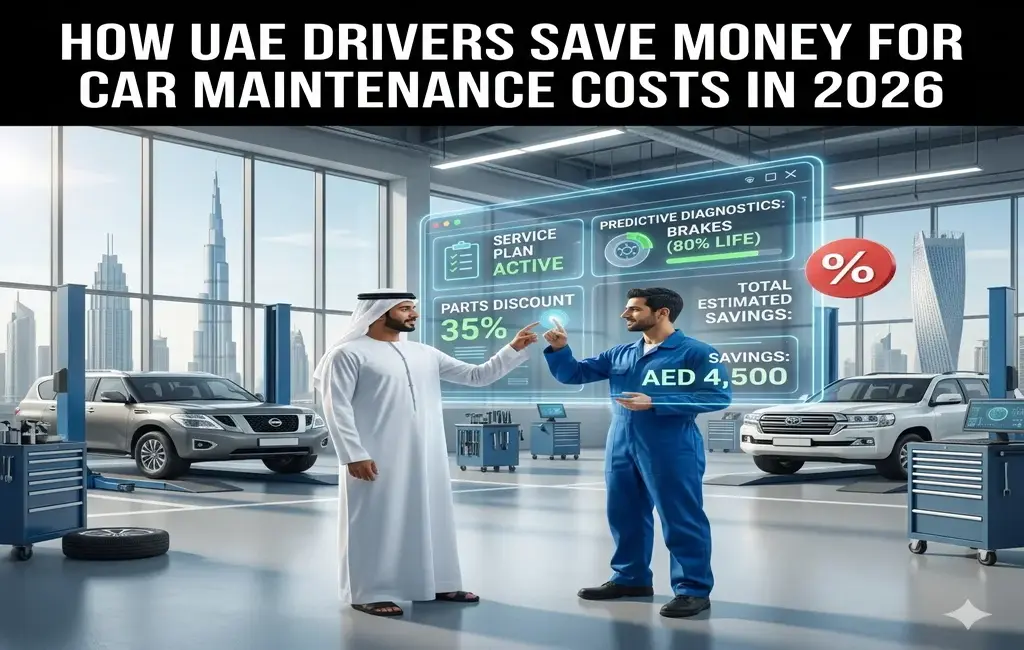
Many dealerships and large service chains offer maintenance packages. These bundle several services for a fixed price. Calculate the cost of individual services to see if the package offers real value.
Service contracts can lock in today’s prices for future work. This protects you from inflation and price rises. It also ensures you stick to the maintenance schedule.
However, check the fine print for exclusions. Ensure the package covers the major service items your car will need. If it only covers oil changes, it might not be worth it.
Conclusion
In conclusion of this blog, Navigating the costs of car ownership in the UAE requires a blend of discipline and knowledge. By understanding the factors that drive expenses, you can take control. Reducing car maintenance costs in the UAE is a goal achievable through consistent, preventive care.
Focus on the basics: fluids, filters, and tyres. Adopt a smooth driving style and find a mechanic you trust. Plan your expenses and look for value when purchasing parts.
With these strategies, you can enjoy the freedom of the road without the financial burden. Your car will be safer, more reliable, and cheaper to run. Start your smart maintenance journey today.
FAQ Section
Can preventive maintenance really save money?
Yes, it helps avoid expensive repairs later.
Are tyres a major maintenance expense in the UAE?
Yes, heat and road conditions increase tyre wear.
Is regular servicing better than repairs?
Yes, early servicing reduces long term costs.
Do driving habits affect maintenance expenses?
Yes, smoother driving lowers wear and tear.