
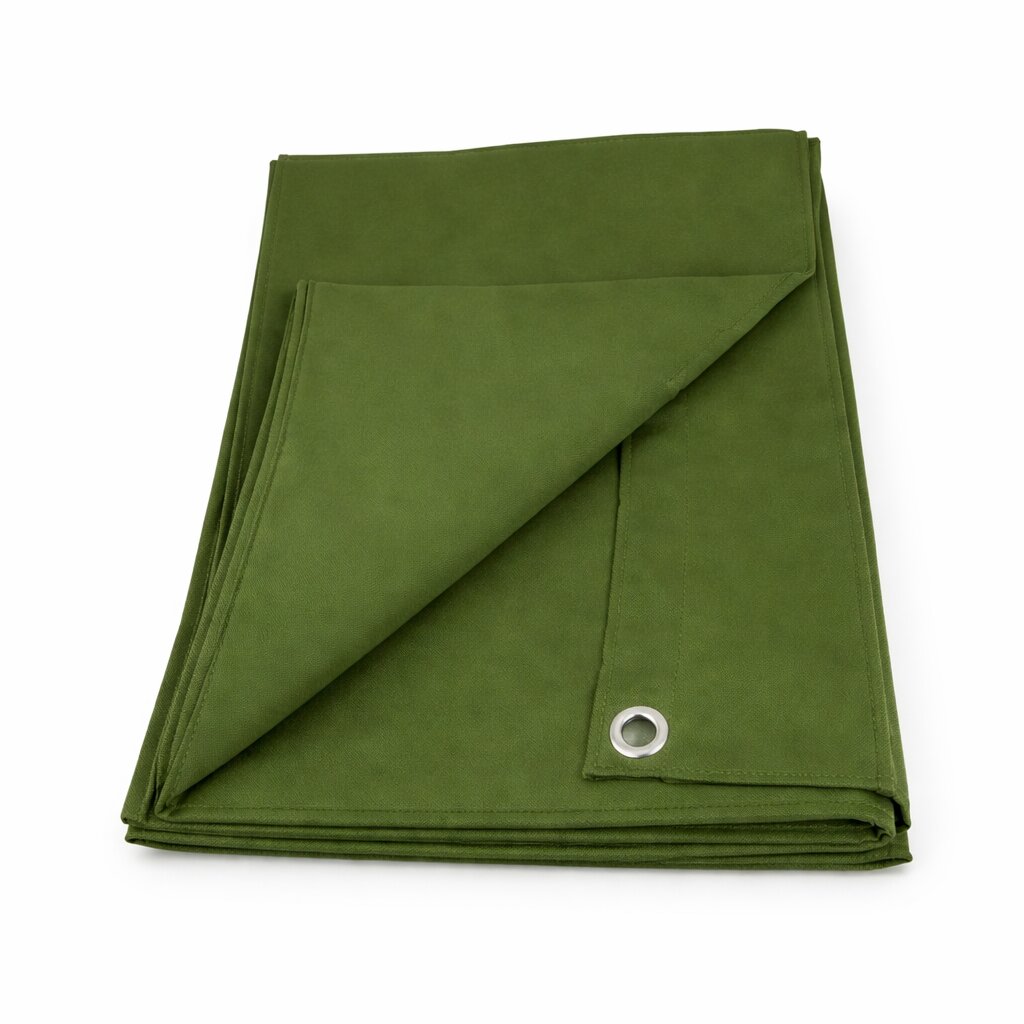
The weather can be scorching or frigid. Tools, food, building materials and equipment can be damaged by the weather. Insulated tarpaulins can help in this place. So, these special tarpaulin sheets are designed to regulate temperatures. They safeguard objects against extreme temperatures due to the weather.
Insulated tarpaulins are much stronger than tarps. Extra layers are incorporated during the build. Summer heat is prevented from entering the house, and winter warmth is trapped. So, in this blog, you will get to know the working of insulated tarps and their uses.
What Is an Insulated Tarpaulin?
A tarp designed to shield against the elements is an insulated tarp. It has several layers. Typically, the outer layer is waterproof. Insulation material is present in the inner layer. So, it helps to check the temperature.
Foam or thermal lining is used for some insulated tarps. Some use reflective objects. This combination reduces the transfer of heat. So, this means outside temperature does not affect items easily.
These tarps are durable, thick and long-lasting. They are designed for harsh conditions.
How Insulated Tarpaulins Control Temperature
Insulated tarps prevent heat from moving too fast. Heat naturally travels from places of high temperature to cooler ones. So, the insulation layer prevents the heat from escaping. It slows the roll.
The sunshade prevents outdoor heat from entering. So, the concealed items remain cooler as such. In cold weather, it keeps warmth in. This prevents stuff from freezing.
Other insulated tarpaulins have reflective surfaces. They reflect the sunlight away. It helps to burn excess heat under the tarp.
For that reason, insulated tarps maintain a more stable ambient temperature.
Protection in Hot Weather
Many things can be damaged by heat. Electronics can overheat. Food may go bad. Paint and chemicals can degrade. Heat exposure is lessened with insulated tarpaulins.
The tarp shields equipment or material from direct sunlight. So, the insulation layer decreases the heat transfer. The internal area is cooler than the area outside.
Farmers use insulated canvas tarpaulin for the protection of crops and animal feed. Labourers use them for covering materials sensitive to temperature. Even vehicles can have extra protection from heat.
Tarps with insulation are helpful in hot climates to prevent damage and save money.
Protection in Cold Weather
The temperature is just as harmful. So, freezing temperatures can crack pipes, damage equipment, and spoil liquid. Use insulated tarpaulins to retain heat.
Covering machinery with these tarps is common during winter. They keep the water tanks and building materials warm. Some individuals even utilize them as temporary coverings for outdoor heaters.
Insulated tarps minimize heat loss and prevent frost and ice from forming. So, it can be very helpful on the farm and construction sites.
Common Uses of Insulated Tarpaulins
Insulated tarpaulins are used in different industries. Concrete curing blankets shield concrete during construction. Fresh concrete may weaken as a result of cold temperatures. A tarp will keep it warm and strong
They protect crops, greenhouses, and livestock supplies in farming. So, they assist in regulating temperature within storage spaces.
In transport, insulated tarps cover goods that need to be kept at specific temperatures. Food, drinks, and chemicals are included.
People use them at home to cover hot tubs, outdoor equipment, and even firewood. They offer improved protection than regular tarps.
Benefits of Using Insulated Tarpaulins
Temperature is one major benefit. These tarps aid in protection from harsh weather. This minimizes or limits damage.
They also have water and wind resistance. This offers additional protection. A lot of insulated tarps are also UV-resistant. So, this shields from sun damage.
Another advantage is saving energy. Insulated tarps help to minimize the necessity for additional heating or cooling by keeping heat inside or outside. Over time, this may cut costs.
It is possible to reuse them, too. They can last several years with proper care.
Choosing the Right Insulated Tarpaulin
Factors to Consider When Selecting an Insulated Tarp: Examine the weather variables. In extremely hot regions, consider looking for reflective materials. Colder conditions will need thicker insulation.
Evaluate the dimensions and density. So, always ensure coverage of everything. Seek sturdy edges and metal grommets. These ensure the tarp is secured tightly.
Additionally, check to see if the tarp is waterproof and UV resistant. So, these aspects increase the strength.
Purchasing a high-end insulated tarpaulin may initially cost more. However, it provides greater protection and endures longer. Click here if you want to know more about home tarpaulins.
Easy Maintenance Tips
It is easy to maintain insulated tarps. Wash the AirPods with mild soap and water. Avoid using harsh chemicals. Ensure full drying before storing them.
Put the tarp in a dry location. Do not fold while wet. Mold and damage will be prevented.
Look for tiny rips or breaks. So, fixing them promptly will prolong the life of the tarp.
With proper maintenance, an insulated tarpaulin can give protection for many seasons.
Conclusion
Insulated tarpaulins are a worthwhile investment for temperature control. So, they shield us from heat, cold, wind and rain. Mylar’s special layers protect stuff from heavy or extreme weather.
Insulated tarps can provide strong and reliable coverage, whether it is for construction, farming, transport or home protection. Aid in preventing damage, saving money, and providing peace of mind.
An insulated tarpaulin can help a lot when the temperature is hot or cold.