
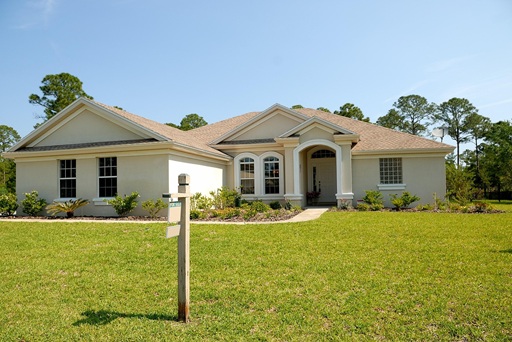
Looking to build a luxury home in Toronto? You want a builder who understands local neighborhoods, permits, and the craftsmanship that turns plans into a lasting investment. A luxury home builder Toronto blends expert design, rigorous project management, and high-end finishes so your home matches both your lifestyle and long-term value.
This article walks you through how to choose that builder, what to expect during construction, and which features define a true luxury home in the Toronto market. Expect clear guidance on vetting builders, comparing portfolios and warranties, and prioritizing finishes that matter most for your location and budget.
Choosing a Luxury Home Builder in Toronto
Decide what matters most: quality of finishes, timeline management, and day-to-day site supervision. Prioritize builders who document budgets, provide clear warranties, and maintain active communication throughout construction.
Essential Qualities to Look For
Look for luxury home builders who hold valid Ontario licences, carry comprehensive liability and WSIB insurance, and can produce detailed contracts with phased payment schedules. Ask for a benchmarked construction timeline and penalties or remedies for missed milestones.
Evaluate their in-house team versus subcontractor reliance. Builders who employ certified trades (carpenters, electricians, HVAC technicians) reduce coordination risk and often deliver higher craft consistency.
Check for strong trade references and financial stability. Request examples of value engineering where they reduced costs without lowering finish standards. Confirm warranty terms, post‑occupancy support, and how they handle change orders.
Evaluating Previous Projects
Request a curated portfolio of recent Toronto-area projects—ideally within the same neighbourhood and price band as your planned home. Visit finished homes and active job sites to assess workmanship, site cleanliness, and on-site supervision practices.
Ask specific questions: Who managed the project day-to-day? Which suppliers and product lines were used for windows, roofing, and kitchen cabinetry? Were there any schedule or budget overruns, and how were they resolved?
Speak with at least two past clients about communication, punch-list completion, and warranty responsiveness. Verify permits and municipal inspections for those projects to ensure regulatory compliance.
Understanding the Custom Home Building Process
Expect a staged process: design and approvals, contract execution, procurement, construction, and warranty. Clarify deliverables at each stage—drawings, unit pricing, allowance lists, and a critical-path schedule.
Insist on a written change-order process that includes cost impacts and timeline adjustments. Confirm who sources materials, how long lead items (windows, custom millwork) will take, and buffer strategies for supply delays.
Demand weekly progress reports and a single point of contact. Make sure the contract spells out holdbacks, lien procedures, and dispute-resolution methods such as mediation or arbitration.
Key Features of Luxury Homes in Toronto
You should expect high-end finishes, contemporary forms, and integrated technology that enhance comfort, efficiency, and resale value. Each feature prioritizes durability, performance, and local market appeal.
Premium Materials and Craftsmanship
You’ll find natural stone—Calacatta or Nero Marquina marble—used for kitchen islands, bathroom walls, and fireplace surrounds because it resists wear and reads as genuine luxury. Hardwood floors often use quarter-sawn oak or European walnut with micro-bevel profiles for longevity and consistent grain.
Cabinetry typically features full-extension soft-close drawers, dovetail joinery, and plywood boxes with imported veneers or matte lacquer finishes. Hardware and fixtures use solid brass, stainless steel, or PVD coatings to prevent tarnish and maintain appearance under heavy use.
Expect on-site quality control and trades coordination: custom millwork is templated and installed by specialist carpenters; tile and stone work follow industry-standard waterproofing and movement-joint details. These practices reduce callbacks and protect your investment.
Modern Architectural Styles
You’ll see clean-lined contemporary facades and restrained modern-traditional blends across Toronto neighborhoods. Flat roofs, large overhangs, and full-height glazing create strong indoor–outdoor connections while maximizing natural light in narrow urban lots.
Infill and rebuild projects often use asymmetrical massing to fit lot constraints and add curb appeal. Exterior materials mix stucco, corten steel, fiber cement panels, and natural wood cladding for texture and low maintenance.
Interior layouts favor open-plan main floors, higher-than-standard ceiling heights (10–12 ft on primary levels), and strategically placed clerestory windows to improve daylighting. You’ll also find flexible rooms that convert between home office, media room, or guest suite to match changing needs.
Smart Home Technology Integration
You should expect a whole-house automation backbone—Cat6/Cat6a or structured fiber—supporting distributed Wi‑Fi, 4K video, and IP security cameras. Control systems like Crestron, Control4, or Lutron handle lighting scenes, motorized shades, multiroom audio, and HVAC integration from a single app or touch panels.
Energy and comfort features include smart thermostats, zoning dampers, and demand-controlled ventilation tied to your home automation for seasonal efficiency. Security setups combine networked door locks, video intercoms, and cloud-backed recording with local redundancy.
Planning matters: wiring and conduit pathways installed during rough-in ensure future upgrades without demolition. You’ll want documented system schematics, user training, and a service agreement so technology performs reliably over time.
 John Ryan