
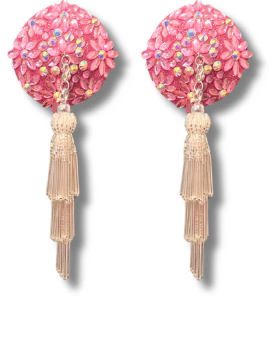
You can wear nipple pasties to stay comfortable and confident in strapless, sheer, or backless outfits while avoiding visible bra lines. Nipple pastie provides discreet coverage, can smooth your silhouette, and come in disposable and reusable options to suit different outfits and skin sensitivities.
This guide breaks down what pasties are, how they work, and how to pick the right material, shape, and adhesive for your body and clothes. You’ll also get practical care tips to extend reusable pasties’ life and avoid irritation so they perform reliably whenever you need them.
Understanding Nipple Pasties
You can use nipple pasties to conceal nipples, prevent show-through, or add a decorative element. They vary by material, style, and intended wear time, and require simple prep and care for best results.
What Are Nipple Pasties
Nipple pasties are small adhesive covers that stick directly to the skin over the nipple and areola. You apply them when you want to go braless while maintaining coverage under sheer, backless, or fitted clothing.
Most pasties are round or petal-shaped and range from minimal coverage to full areola coverage. Some are plain and skin-toned for invisibility; others feature lace, sequins, or tassels for decorative wear. They serve practical purposes—nipples concealment, preventing chafing, and providing a smooth silhouette—and also act as fashion accessories at events like performances or festivals.
Common Materials and Styles
Silicone pasties offer reusable adhesion, a smooth finish, and moderate nipple projection control. They often come with a reusable adhesive backing and work well for long wear and sensitive skin.
Fabric and lace pasties prioritize breathability and visual variety but usually use weaker adhesive or require tape. Disposable paper or thin plastic pasties suit single events and can be less expensive. You’ll also find styles like adhesive petals, stick-on nipple covers with a central gel pad, and novelty pasties with embellishments such as tassels or crystals. Choose based on outfit, skin sensitivity, and how long you need them to stay put.
How to Use Nipple Pasties
Start with clean, dry skin free of lotions, oils, or deodorant; these reduce adhesion. Trim chest hair if necessary for a smoother bond and more comfortable removal.
Peel the backing, center the pastie over the areola, and press firmly for 10–20 seconds to secure the edges. For extra hold on challenging garments, use medical-grade tape or a small amount of skin-safe adhesive at the edges. To remove, peel slowly from the edge toward the center. Clean reusable silicone pasties with mild soap and water and store them on their protective backing; dispose of single-use pasties after one wear. Test a small area first if you have adhesive sensitivities.
History and Cultural Relevance
Pasties evolved from burlesque performance aesthetics where performers used decorative nipple covers to comply with decency laws while maintaining theatrical appeal. They became associated with stage shows in the early 20th century and with fan-driven novelty culture.
Mainstream fashion adoption increased as designers created backless and sheer garments that required braless solutions. Today pasties occupy both practical and expressive roles: wardrobe basics for discreet coverage and stylistic pieces in music festivals, runway shows, and photography. Cultural attitudes toward pasties vary by context; some view them as empowering tools for body autonomy, while others see them primarily as functional undergarments.
Choosing and Caring for Nipple Pasties
Choose pasties that match your nipple diameter, skin sensitivity, activity level, and outfit needs. Pay attention to adhesive type, material, and instructions to maximize comfort and longevity.
Selecting the Right Size and Fit
Measure the visible area you want to cover — not just the nipple — and pick pasties slightly larger than that measurement for full coverage. Round pasties work for most shapes; petal or teardrop styles suit asymmetrical outfits or lift needs.
Consider material: silicone gives smooth shape under sheer fabrics and provides slight padding, while fabric or lace prioritizes breathability and decorative looks. Adhesive strength matters: medical-grade silicone or acrylic adhesives hold longer but may irritate sensitive skin. If you have sensitive skin, look for “hypoallergenic” or silicone gel adhesives and test a small patch on your ribcage for 24 hours before full use.
Application and Removal Tips
Clean and dry your skin thoroughly; avoid lotions, oils, deodorant, and sweat that reduce adhesion. Warm the adhesive slightly between your fingers before applying to improve stick; press firmly for 10–15 seconds from the center outward.
For long wear, choose pasties with stronger adhesive or medical tape reinforcement at the edges. Remove gently: peel from the outer edge toward the center while supporting the breast with your other hand. If the adhesive is stubborn, use oil (baby oil or mineral oil) or an adhesive remover and rinse afterward with mild soap and water.
Maintenance and Reusability
Reusable pasties need regular cleaning to preserve adhesive. After each use, rinse the adhesive side with warm water and a mild, oil-free soap; avoid scrubbing the adhesive surface. Let them air-dry adhesive-side-up on a clean surface; do not use towels that shed fibers.
Store reusable pasties on their original backing or on a clean plastic sheet in a cool, dust-free place. Replace pasties when adhesive no longer sticks securely, when the surface shows tear or deformation, or after repeated exposure to sweat and oils. Disposable pasties are single-use; do not attempt to reapply them multiple times.
 John Ryan