
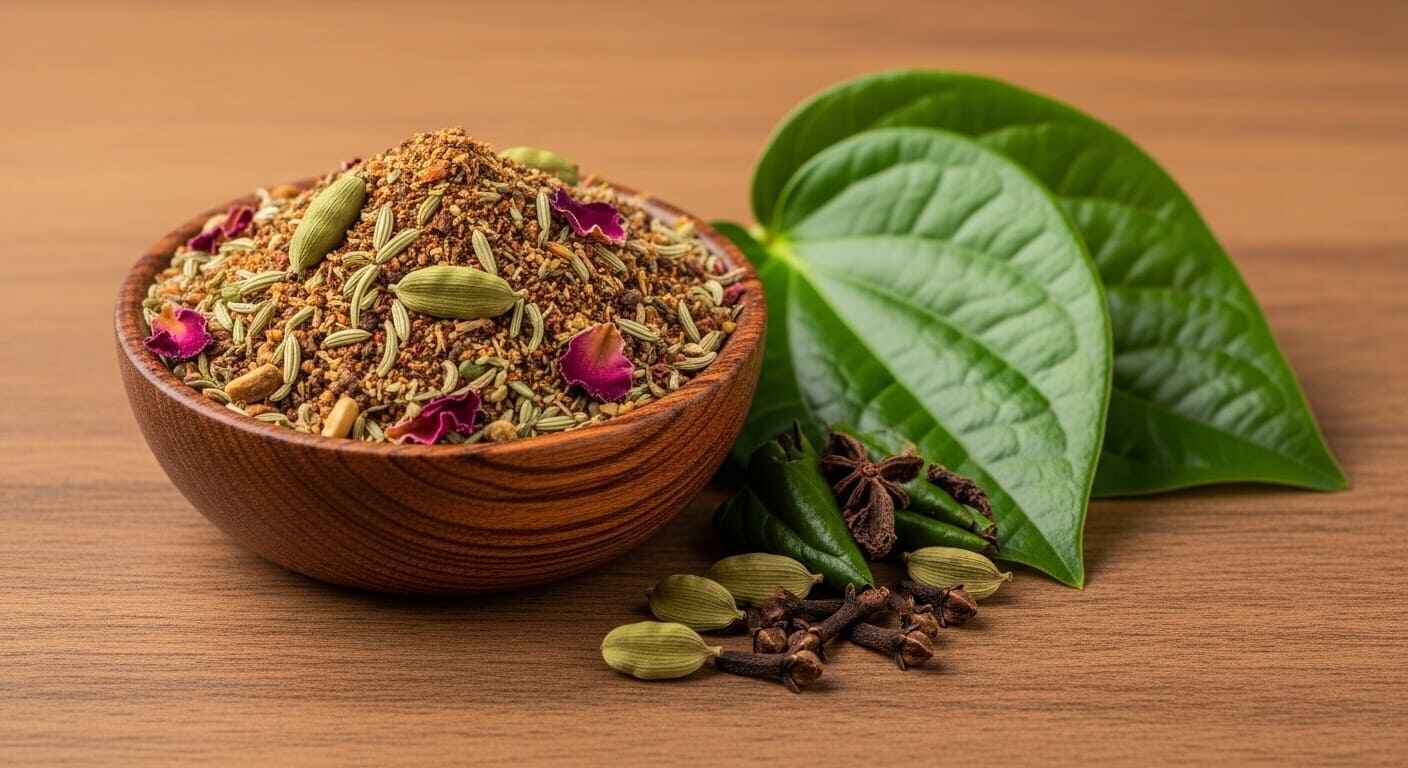
Paan Masala is a well-known mouth freshener enjoyed by many people across South Asia. It is commonly consumed after meals because of its refreshing taste and pleasant aroma. The mixture is made from different natural ingredients such as betel nut, herbs, spices, and flavoring agents that create a unique taste. Over the years, Paan Masala has become part of social traditions and daily routines for many individuals.
What Is Paan Masala
Paan Masala is a blended preparation of aromatic ingredients that is usually chewed after eating. It is inspired by the traditional betel leaf preparation known as paan, but in a dry form that is easy to store and carry. People often keep small packets or containers of Paan Masala for quick use when they want a refreshing taste in their mouth.
The combination of ingredients provides both flavor and fragrance. Because of its convenient form, Paan Masala has gained popularity not only in households but also in restaurants, shops, and social gatherings.
Common Ingredients in Paan Masala
Paan Masala typically contains a mixture of ingredients that contribute to its taste and aroma. Although the exact recipe varies between brands, several components are commonly used.
Betel nut is often the main ingredient. It gives a slightly bitter and strong taste that many users enjoy. Cardamom is added to create a sweet and pleasant fragrance. Fennel seeds are also commonly included because they provide a refreshing and slightly sweet flavor.
Some blends also include clove, rose petals, mint, saffron, and other herbal extracts. These ingredients enhance the taste while creating a balanced mixture. In herbal versions of Paan Masala, natural herbs and seeds are used to give a more traditional and mild flavor.
Cultural Importance of Paan Masala
Paan and Paan Masala have long been connected with cultural traditions in many South Asian communities. Offering paan to guests has historically been a sign of hospitality and respect. It was commonly served after meals during family gatherings, weddings, and festive events.
Paan Masala developed as a convenient alternative to traditional paan. Instead of preparing betel leaves with multiple ingredients, people could simply chew the ready-made mixture. This convenience helped it become widely accepted in modern lifestyles.
Even today, many people associate Paan Masala with social interaction, relaxation, and enjoying moments after a meal.
Why People Use Paan Masala
One of the main reasons people consume Paan Masala is to refresh their breath after eating. The aromatic spices help remove lingering food odors and leave a pleasant taste in the mouth.
Another reason is the sensory experience. The blend of sweet, spicy, and aromatic ingredients creates a unique flavor profile that many people enjoy. Some individuals also appreciate the tradition and cultural familiarity associated with Paan Masala.
In some herbal varieties, natural seeds and spices are used that are traditionally believed to support digestion and provide a refreshing feeling.
Different Types of Paan Masala
Paan Masala is available in several types depending on the ingredients and preparation method.
Traditional Paan Masala includes a mixture of betel nut, spices, and aromatic ingredients. It is often strong in flavor and widely available in small packets.
Herbal Paan Masala focuses more on natural herbs, seeds, and spices. This version usually emphasizes fragrance and mild sweetness.
Sweet Paan Masala contains additional flavorings such as candied fennel, coconut flakes, or rose essence. This type is popular among people who prefer a sweeter taste.
Premium blends may also include saffron, silver-coated ingredients, or special spice combinations to create a richer flavor.
Packaging and Availability
Modern Paan Masala is available in a wide range of packaging options. Small sachets are very common because they are affordable and easy to carry. Many people purchase these single-use packets for quick consumption.
Larger containers or tins are also available for regular users. These packages help keep the mixture fresh and allow people to store it conveniently at home.
Today, Paan Masala can be found in grocery stores, convenience shops, and online marketplaces. The availability of different brands and varieties allows consumers to choose according to their taste preferences.
Changing Trends in Paan Masala
Over time, the Paan Masala market has evolved with changing consumer preferences. Many manufacturers now focus on herbal blends and natural ingredients to attract health-conscious customers.
Creative flavors and innovative packaging are also becoming more common. Some brands promote traditional recipes, while others experiment with new taste combinations to appeal to younger audiences.
Online sales have also contributed to the growth of Paan Masala products. Customers can easily compare options and order their preferred blends from online stores.
Responsible Consumption
Like many flavored chewing products, Paan Masala should be consumed responsibly. People who enjoy it often do so occasionally as a mouth freshener rather than as a frequent habit.
Reading ingredient labels and choosing products made with quality ingredients can help consumers make better decisions. Herbal and natural blends are often preferred by those who want a milder and more traditional experience.
Conclusion
Paan Masala remains a popular mouth freshener with deep cultural roots in South Asia. Its blend of aromatic spices, herbs, and flavoring ingredients creates a refreshing taste that many people enjoy after meals. The convenience of ready-made mixtures has allowed it to become widely available and easy to use.
With different varieties such as traditional, herbal, and sweet blends, Paan Masala continues to evolve to meet changing consumer preferences. While its flavors and packaging may change over time, its connection to tradition and hospitality remains an important part of its identity.