
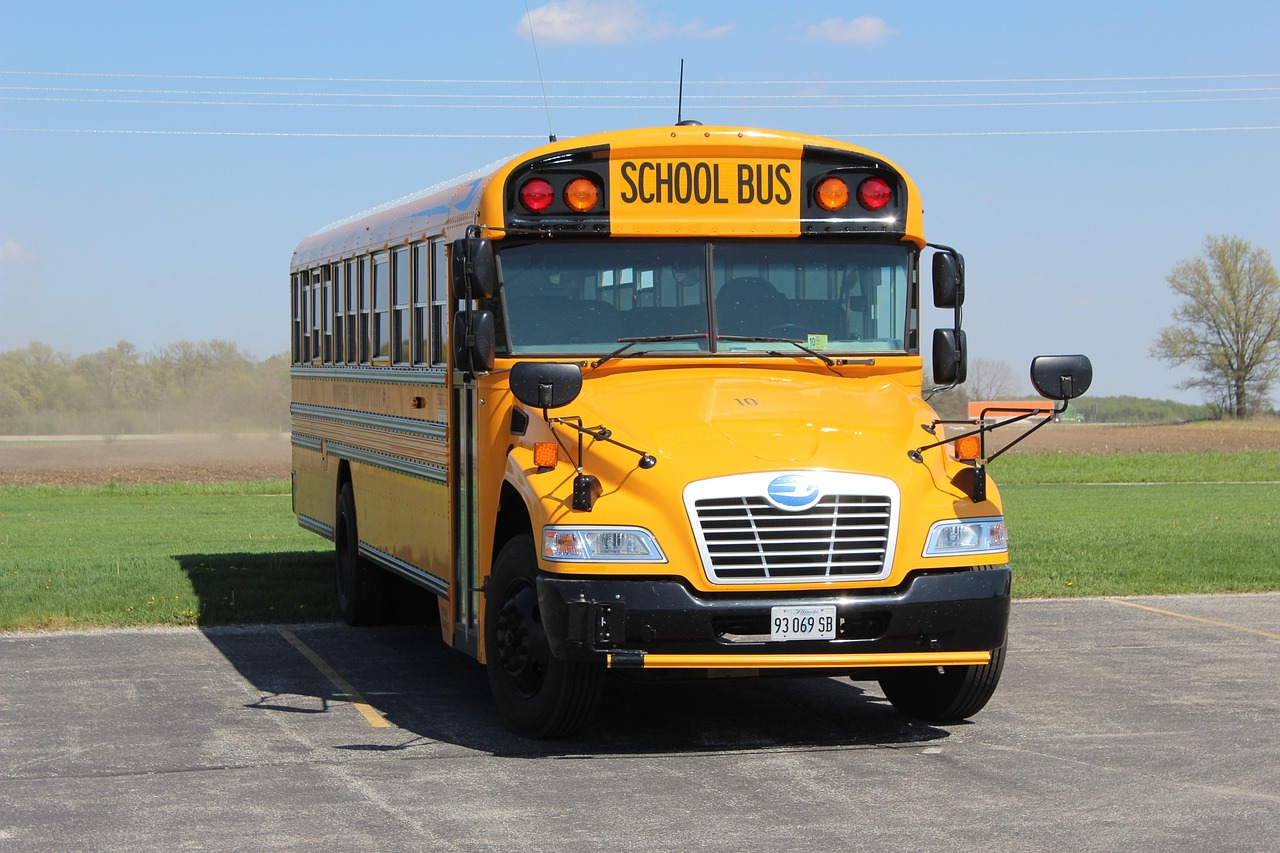
You rely on school bus transportation to get children to school safely, on time, and with minimal hassle. School buses remain one of the safest and most efficient ways to move groups of students, supported by clear routes, trained drivers, and regulated safety standards that protect your child every trip.
This article will show how routes are planned, what safety rules matter most, and how local systems let you opt out or request changes when needed. Expect practical information you can use to evaluate service quality, understand regulations, and make better choices for daily travel.
Overview of School Bus Transportation
School bus systems move students daily between home, school, and school activities using scheduled routes, specialized vehicles, and trained staff. You will find services that vary by purpose, eligibility, and vehicle type to meet safety, accessibility, and scheduling needs.
Types of School Bus Services
You use different types of services depending on distance, disability needs, and extracurricular schedules. The main categories are:
- Regular home-to-school routes: fixed stops and times that serve neighborhoods for daily commutes.
- Special education and mobility services: door-to-door or specialized routing for students with disabilities, often using lift-equipped or smaller buses.
- Activity and athletic transport: contracted buses or district vehicles for after-school events and field trips.
- Contracted and third-party services: districts hire private carriers to expand capacity or cover rural routes.
Many districts operate yellow school buses for core routes and reserve vans or minibuses for short trips. Routes prioritize safety, efficient ride times, and legal capacity limits. You should expect route notices, eligibility rules, and seasonal schedule changes.
Key Benefits for Students and Families
School buses reduce travel time uncertainty and lower family transportation costs. You save on fuel, time, and parking, while your child rides a vehicle designed and regulated for student safety.
Buses provide supervised boarding and drop-off, which minimizes risk for younger children. Consistent schedules support punctuality and attendance. For families with limited car access or complex work schedules, buses offer reliable daily transport. District-provided services also include accommodations—for example, wheelchair securement and aide support—that help students with special needs travel safely and independently.
Role in Public Education
You rely on school transportation to maintain equitable access to schooling across geographic and socioeconomic lines. Busing enables districts to serve students who live far from schools or in areas with limited public transit.
Transportation supports attendance, participation in extracurriculars, and timely arrival for instructional time. It also affects district planning: route efficiency, fleet maintenance, and contractor management directly influence budgets and operational capacity. Safety regulations, driver training, and equipment standards shape daily practice and district policy choices you experience as a parent or guardian.
Safety Standards and Regulations
You must follow layered rules that govern vehicles, people, and processes: federal manufacturing and crashworthiness standards, state or provincial operating rules, rigorous driver certification, and scheduled maintenance and inspection protocols. These elements work together to protect students on every trip.
Federal and State Requirements
You need to ensure buses meet federal crashworthiness and safety equipment standards, such as structural integrity, emergency exits, lighting, and passenger restraint guidance where required. Manufacturers must comply with national vehicle safety regulations; operators must follow state or provincial licensing, inspection, and route-permitting rules that add local requirements like speed zones and stop-arm enforcement.
Maintain documentation for each bus: registration, inspection certificates, recall notices, and any modifications. You should also track local rules on seat belts, child-specific restraints, and signage for school zones, since provinces and states can mandate stricter measures than federal baseline standards.
Driver Training and Qualifications
You are responsible for hiring drivers who hold the appropriate commercial license with school bus endorsements and a clean driving record. Require background checks, medical exams, and annual or biennial re-certification to verify fitness to drive and suitability for supervising children.
Provide initial and ongoing training that covers student loading/unloading procedures, emergency evacuations, first aid, and behavior management. Include route-specific training, defensive driving, and refresher courses after incidents. Keep training records for each driver and document hours, course content, and assessments.
Vehicle Maintenance Protocols
You must adopt a preventative maintenance schedule aligned with manufacturer recommendations and local inspection laws. Perform daily pre-trip and post-trip inspections for brakes, lights, tires, steering, and emergency equipment, and log findings electronically or in a bound logbook.
Schedule periodic in-depth inspections and component replacements (brake linings, suspension, HVAC, and door mechanisms) at set mileage intervals. Respond immediately to defect reports, complete repairs before the bus returns to service, and retain repair invoices to demonstrate compliance and due diligence.
 John Ryan