
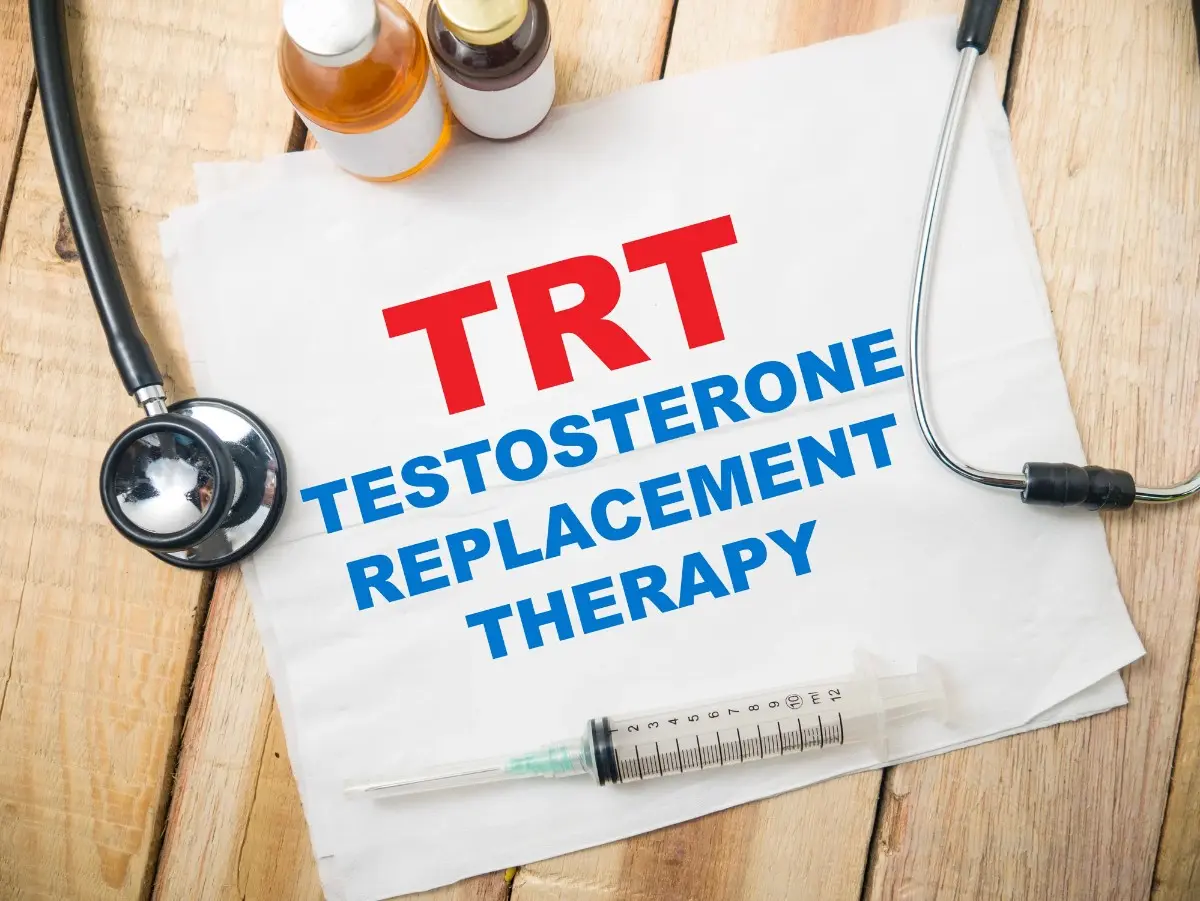
Testosterone plays a vital role in men’s physical health, emotional well-being, and reproductive function. It supports muscle strength, energy levels, bone density, and sexual health. However, testosterone levels naturally decline with age, and some men develop a condition known as low testosterone or male hypogonadism.
When hormone levels drop significantly and cause symptoms, doctors may recommend Testosterone Replacement Therapy (TRT). This medical treatment aims to restore testosterone to healthy levels and improve overall quality of life.
This guide explains how testosterone therapy works, who may benefit from it, and what to expect from treatment.
What Is Testosterone Replacement Therapy?
Testosterone Replacement Therapy is a medically supervised treatment used to increase testosterone levels in men who have been diagnosed with low testosterone through blood tests.
The goal of TRT is to restore hormone levels to a normal range so that the body can function properly.
By maintaining balanced testosterone levels, TRT can help support:
-
Sexual health
-
Muscle strength
-
Bone density
-
Mood stability
-
Energy and stamina
Doctors carefully evaluate symptoms and laboratory results before recommending this therapy.
Causes of Low Testosterone
Several factors may contribute to declining testosterone levels.
Aging
Testosterone levels typically decrease after the age of 30, and the decline may continue gradually over time.
Medical Conditions
Certain health issues can affect hormone production, including:
-
Diabetes
-
Obesity
-
Pituitary gland disorders
-
Testicular injury or disease
Lifestyle Factors
Lifestyle habits can also influence hormone balance. Examples include:
-
Lack of physical activity
-
Chronic stress
-
Poor sleep quality
-
Unhealthy diet
-
Excessive alcohol use
Addressing these factors can sometimes improve hormone levels naturally.
How Low Testosterone Is Diagnosed
Before recommending TRT, doctors perform a comprehensive evaluation.
Blood Tests
Blood tests measure testosterone levels, usually taken in the morning when levels are highest.
Medical History
Doctors review symptoms, medications, and overall health.
Physical Examination
This helps identify physical signs related to hormone imbalance.
In some cases, additional tests may be recommended to determine the underlying cause.
Types of Testosterone Replacement Therapy
Several TRT methods are available, and the most suitable option depends on the patient’s preferences and medical condition.
Testosterone Injections
Injections are one of the most common forms of therapy. They are typically administered every one to two weeks and help maintain stable testosterone levels.
Testosterone Gels
Gels are applied directly to the skin, allowing testosterone to be absorbed gradually into the bloodstream.
Testosterone Patches
Transdermal patches deliver controlled amounts of testosterone through the skin over a set period.
Testosterone Pellets
Small pellets are placed under the skin during a minor medical procedure. These pellets release testosterone slowly over several months.
Benefits of Testosterone Replacement Therapy
When prescribed appropriately, TRT can provide several health benefits.
Improved Energy Levels
Many men report increased stamina and reduced fatigue.
Better Sexual Health
TRT can improve libido and support erectile function in men with low testosterone.
Increased Muscle Mass
Balanced hormone levels help support muscle development and physical strength.
Enhanced Mood and Mental Clarity
Some men experience improved focus, mood stability, and confidence.
Stronger Bone Density
Testosterone plays a role in maintaining bone strength and reducing fracture risk.
Possible Risks and Side Effects
Like any medical treatment, TRT may have potential risks. Doctors monitor patients carefully to reduce complications.
Possible side effects may include:
-
Acne or oily skin
-
Fluid retention
-
Increased red blood cell count
-
Changes in cholesterol levels
Regular monitoring helps ensure that hormone levels remain within a safe range.
Who Is a Good Candidate for TRT?
Testosterone therapy may be recommended for men who:
-
Have confirmed low testosterone through blood tests
-
Experience symptoms affecting quality of life
-
Do not respond to lifestyle improvements alone
TRT Treatment should only be started after medical evaluation and under professional supervision.
Lifestyle Changes That Support Healthy Testosterone Levels
Even when undergoing TRT, healthy habits can improve treatment outcomes.
Exercise Regularly
Strength training and physical activity support hormone balance.
Maintain a Balanced Diet
Foods rich in protein, healthy fats, vitamins, and minerals help support hormone production.
Get Quality Sleep
Sleep plays an important role in maintaining hormonal health.
Manage Stress
Chronic stress can negatively impact testosterone levels.
Monitoring During TRT
Doctors usually schedule regular follow-up appointments to ensure treatment remains safe and effective.
Monitoring may include:
-
Hormone level testing
-
Blood count checks
-
Prostate health assessments
-
Evaluation of symptoms and treatment progress
This helps ensure optimal results while minimizing potential risks.
When to Speak with a Doctor
If symptoms such as persistent fatigue, reduced libido, or decreased muscle strength interfere with daily life, it may be helpful to consult a healthcare professional.
A qualified healthcare doctor can determine whether testosterone testing or treatment is appropriate.
Conclusion
Testosterone Replacement Therapy can help men restore hormonal balance and improve overall well-being when low testosterone levels are confirmed. With proper diagnosis, personalized treatment, and regular monitoring, TRT can safely address symptoms such as fatigue, reduced libido, and loss of muscle strength.
Anyone considering Testosterone Replacement Therapy should consult a qualified medical professional to determine whether the treatment is appropriate for their individual health needs.