
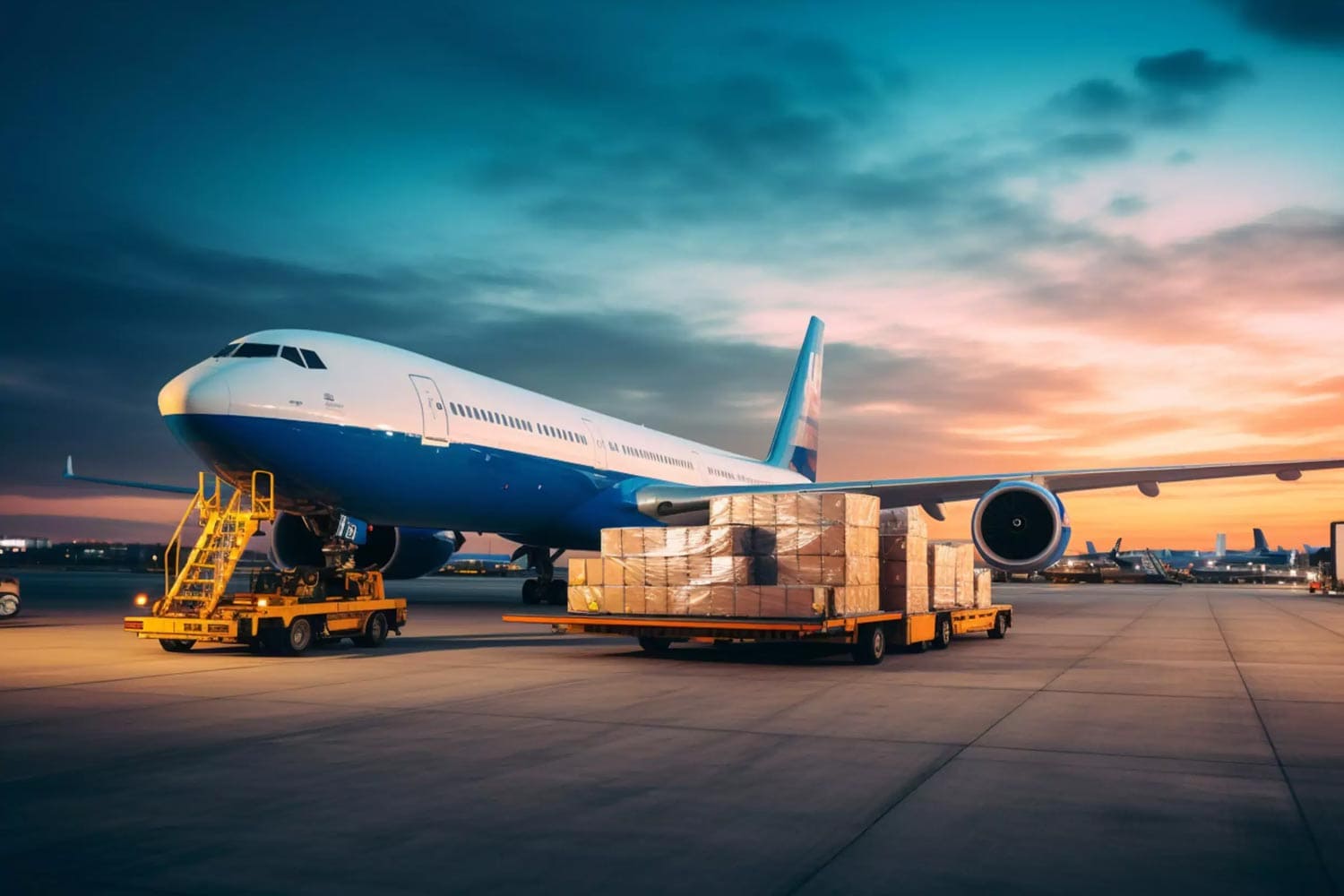
Global trade has transformed dramatically over the last few decades, driven by technology, e-commerce, and just-in-time manufacturing. In this rapidly evolving landscape, air freight has emerged as a vital logistics solution for businesses that demand speed, reliability, and international reach.
From urgent industrial components to high-value consumer products, air cargo ensures that goods move quickly across continents, minimizing delays and maximizing operational efficiency.
Why Air Freight Matters in Today’s Economy
Air freight is more than just fast transportation—it is a strategic tool that helps businesses remain competitive. In industries where time directly impacts revenue, delays can result in financial loss and supply chain disruptions.
Key reasons businesses choose air freight include:
-
Fast international delivery
-
Reduced inventory holding costs
-
Reliable scheduling
-
Global airport connectivity
-
Enhanced shipment security
For companies operating in time-sensitive sectors, air transport provides a crucial competitive advantage.
Air Freight vs. Other Modes of Transport
Speed
Compared to sea freight, which can take weeks, air freight typically delivers international shipments within days.
Reliability
Airlines operate on fixed schedules, reducing transit uncertainty and allowing businesses to plan inventory more effectively.
Security
Strict airport screening and monitoring procedures lower the risk of theft or cargo damage.
Ideal for High-Value Goods
Products such as electronics, luxury items, and medical equipment are better suited for air transport due to secure handling processes.
Industries Driving Air Cargo Demand
Several industries depend heavily on air freight:
Pharmaceutical & Healthcare
Vaccines, medical devices, and life-saving drugs require rapid and temperature-controlled delivery.
E-Commerce
Online retailers rely on air cargo to meet customer expectations for fast international shipping.
Automotive Manufacturing
When production lines require urgent spare parts, air freight prevents costly downtime.
Technology & Electronics
High-value and sensitive electronic components benefit from fast and secure transport.
The Air Freight Logistics Process
The typical air freight process includes:
-
Shipment booking and rate confirmation
-
Cargo pickup and packaging
-
Documentation preparation (airway bill, invoices, customs paperwork)
-
Export customs clearance
-
Air transport to destination
-
Import clearance and last-mile delivery
Experienced freight providers manage each step to ensure smooth and compliant operations.
Businesses in major trade hubs often rely on specialized providers such as Air Freight Services in Mumbai, which offer access to international airports, customs expertise, and efficient cargo handling infrastructure.
Cost Factors in Air Freight
Air freight pricing is determined by several factors:
-
Chargeable weight (actual or volumetric)
-
Destination country
-
Cargo classification
-
Fuel surcharges
-
Urgency and service type
While air freight may carry higher costs compared to sea transport, its speed and reliability often reduce overall supply chain expenses by minimizing storage and delay-related losses.
Technology & Innovation in Air Cargo
The air freight industry is embracing innovation to improve efficiency and sustainability:
-
Real-time digital tracking systems
-
Automated warehouse management
-
Temperature-controlled containers
-
Sustainable aviation fuel initiatives
-
AI-driven logistics optimization
These advancements are reshaping how cargo is managed, monitored, and delivered worldwide.
Conclusion
Air freight plays a crucial role in supporting global commerce, enabling businesses to meet tight deadlines and serve international markets efficiently. Its unmatched speed, security, and global connectivity make it an essential logistics solution in today’s competitive environment.
As international trade continues to expand, air cargo will remain a key driver of economic growth, innovation, and seamless global supply chains.