
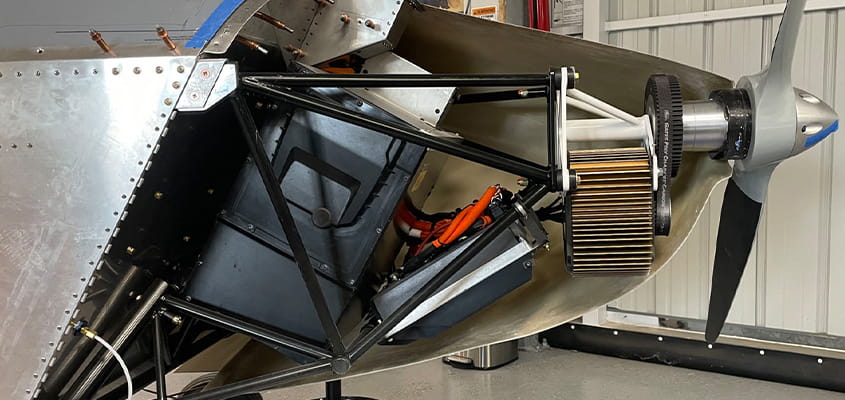
Aerospace technology represents one of the most advanced and precision-driven industries in the world. Every aircraft component must withstand extreme stress, temperature variations, high altitudes, vibration, and pressure fluctuations.
From aircraft structural frameworks to landing gear assemblies, material selection plays a critical role in ensuring safety, performance, and long service life. In this blog, we’ll explore key aerospace components such as aircraft structural parts, engine mounts, landing gear systems, and aerospace fasteners — along with important materials like Sae 4130 Round bar that make these technologies possible.
✈ Aircraft Structural Components
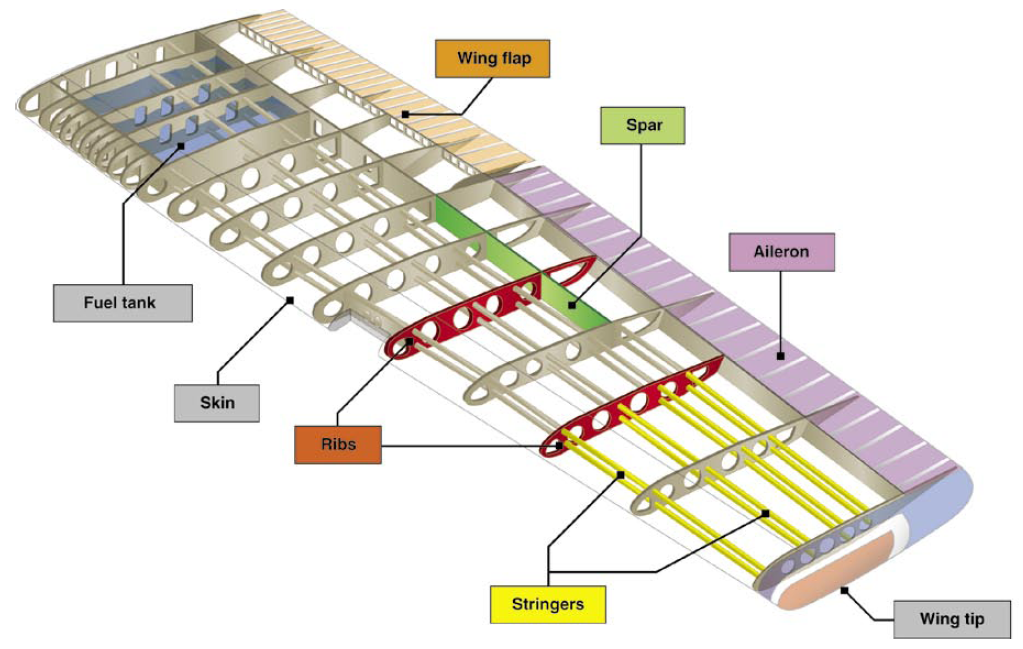
Aircraft structural components form the backbone of any airplane. These include:
-
Fuselage frames
-
Wing spars
-
Bulkheads
-
Stringers
-
Structural support beams
Materials Used
Aerospace structures must be lightweight yet extremely strong. Common materials include:
-
Aluminum Alloys (e.g., 2024, 7075) – High strength-to-weight ratio
-
Titanium Alloys – Exceptional strength and corrosion resistance
-
Carbon Fiber Composites – Lightweight and high rigidity
-
High-strength Alloy Steels
In certain structural reinforcement applications, Sae 4130 Round bar is used due to its excellent toughness and fatigue resistance. This chromium-molybdenum alloy steel offers high tensile strength while maintaining good weldability, making it suitable for aerospace structural frameworks and support components.
🔧 Engine Mounts

Engine mounts are critical components that secure aircraft engines to the airframe. They must:
-
Absorb vibration
-
Handle high mechanical loads
-
Resist thermal expansion
-
Maintain alignment under stress
Material Importance in Engine Mounts
Engine mounts are exposed to:
-
High temperatures
-
Constant vibration
-
Cyclic loading
Materials commonly used include:
-
Sae 4130 Round bar for fabricated support structures
-
Stainless steel alloys for corrosion resistance
-
Titanium alloys for high-temperature strength
The combination of strength, fatigue resistance, and weldability makes Sae 4130 Round bar a preferred choice for structural brackets and support assemblies in aerospace applications.
🛬 Landing Gear Parts
Landing gear systems endure some of the highest stress levels in an aircraft. During landing, they must absorb massive impact forces while maintaining structural integrity.
Key Landing Gear Components
-
Shock struts
-
Axles
-
Support arms
-
Braking systems
-
Retraction mechanisms
Materials Used
Landing gear components are typically manufactured using:
-
High-strength alloy steels
-
Forged steel components
-
Titanium alloys
-
Heat-treated chromium-molybdenum steels
Sae 4130 Round bar is often used in manufacturing landing gear support parts due to its high tensile strength, impact resistance, and fatigue performance. Heat treatment further enhances its mechanical properties, making it suitable for high-load aerospace applications.
🔩 Aerospace Fasteners
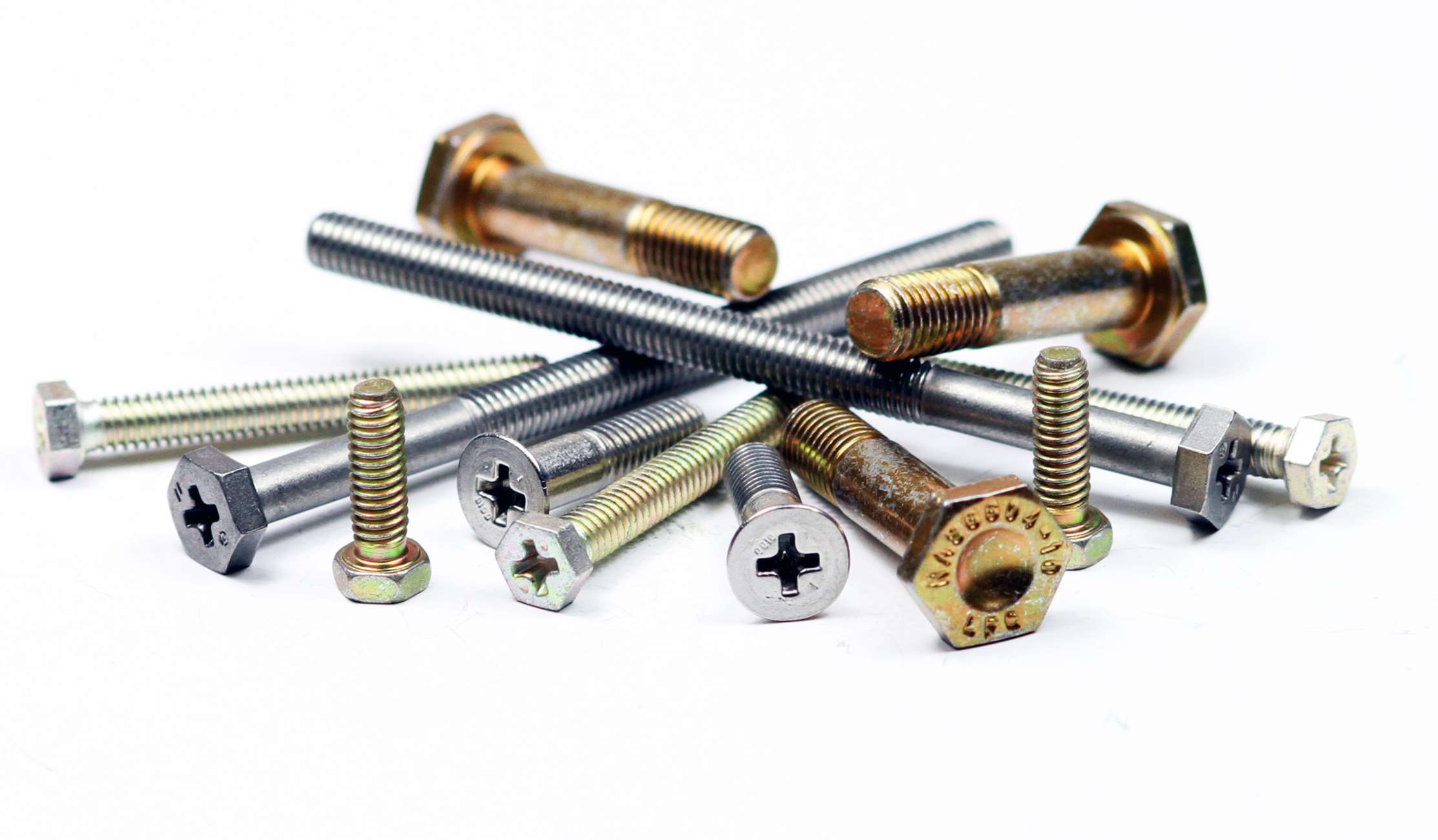
Aerospace fasteners are small components with massive responsibility. They hold together critical structural assemblies and must perform reliably under extreme conditions.
Types of Aerospace Fasteners
-
High-strength bolts
-
Titanium fasteners
-
Structural rivets
-
Locking nuts
-
Precision screws
Material Selection for Fasteners
Fasteners are commonly made from:
-
Titanium alloys
-
Stainless steel (such as 304 & 316 grades)
-
Alloy steels including chromium-molybdenum grades
For certain aerospace-grade bolts and structural fasteners, alloy steels derived from materials similar to Sae 4130 Round bar are used because of their strength and fatigue resistance.
Advanced Manufacturing Processes in Aerospace
Aerospace manufacturing demands strict quality control and precision engineering. Key processes include:
1. CNC Precision Machining
Ensures tight tolerances for structural and engine components.
2. Forging
Used for landing gear and high-load components.
3. Heat Treatment
Improves strength and fatigue resistance of alloy steels.
4. Non-Destructive Testing (NDT)
Includes ultrasonic, radiographic, and magnetic particle testing to ensure defect-free components.
5. Surface Coating & Finishing
Enhances corrosion resistance and reduces wear.
Why Material Selection is Critical in Aerospace
In aerospace technology, failure is not an option. Materials must provide:
-
High strength-to-weight ratio
-
Fatigue resistance
-
Thermal stability
-
Corrosion resistance
-
Long service life
Alloy steels like Sae 4130 Round bar continue to play an important role in aerospace engineering due to their proven reliability and adaptability in structural and load-bearing applications.
The Future of Aerospace Materials
Modern aerospace innovation is moving toward:
-
Hybrid material structures
-
Advanced composites
-
Additive manufacturing (3D metal printing)
-
Lightweight high-strength alloys
Despite these advancements, traditional high-performance materials such as chromium-molybdenum steels remain essential for safety-critical parts.
Conclusion
Aerospace technology combines engineering excellence with advanced material science. From aircraft structural components to engine mounts, landing gear parts, and aerospace fasteners, every element depends on reliable and high-performance materials.
Materials like Sae 4130 Round bar, aluminum alloys, titanium, and stainless steels ensure aircraft systems remain strong, lightweight, and durable under extreme operating conditions. As aerospace innovation continues to evolve, the importance of selecting the right materials will remain at the core of safe and efficient aviation engineering.