
Breathing is a fundamental aspect of health that we often take for granted. However, when airflow is restricted due to dental or jaw alignment issues, it can affect not just oral health but overall well-being. Many people, including children and adults, unknowingly suffer from compromised breathing caused by misaligned teeth, narrow jaws, or improper bite patterns. Orthodontic care is no longer just about achieving a straight smile, it can also play a pivotal role in improving airway function. By addressing alignment and jaw development, orthodontists help patients breathe more efficiently, enhancing sleep quality, energy levels, and long-term health.
Understanding the Oral Airway
The oral and nasal airways work together to deliver oxygen throughout the body. Proper tongue posture, jaw alignment, and dental spacing are crucial to maintaining unobstructed airflow. Misaligned teeth or crowded dental arches can push the tongue backward, narrowing the airway and forcing mouth breathing. Similarly, bite irregularities such as overbites, underbites, or crossbites can compromise nasal airflow, making proper breathing more difficult.
Common dental issues that can restrict airflow include:
- Crowded or overlapping teeth
- Overbite, underbite, or crossbite
- Narrow palates limiting nasal space
- Improper tongue posture
Restricted airflow doesn’t just impact breathing, it can lead to snoring, poor sleep quality, and tension in the jaw and facial muscles over time.
Orthodontic Interventions for Airway Improvement
Modern orthodontics provides solutions that go beyond aesthetics. Several interventions are designed to align teeth and guide jaw growth, simultaneously creating more space for the tongue and enhancing airflow. Treatment plans often include braces, clear aligners, palatal expanders, and functional appliances, depending on individual needs.
Orthodontic Interventions & Airflow Benefits
| Intervention | Airflow Benefit |
| Braces | Align teeth and correct bite to optimise oral space |
| Clear Aligners | Adjust teeth gradually while supporting proper tongue posture |
| Palatal Expanders | Widen the upper jaw to increase nasal cavity volume |
| Functional Appliances | Guide jaw growth and encourage correct tongue placement |
Each solution is customised to the patient, aiming to improve both dental alignment and airway capacity. In some cases, these interventions significantly reduce mouth breathing and enhance nasal airflow.

Health Benefits of Improved Airflow
Correcting alignment and promoting proper airway function provides benefits that extend well beyond oral health. Improved airflow ensures adequate oxygen intake, supporting focus, energy, and overall wellbeing. Better airflow can also reduce snoring and sleep disturbances, leading to more restorative sleep. Moreover, proper jaw alignment eases tension in the jaw and facial muscles, alleviating headaches and discomfort often associated with misaligned bites.
Key Health Benefits Include:
- Enhanced Sleep Quality: Reduction in snoring and improved rest
- Better Oxygen Intake: Supports cognitive function and daytime alertness
- Jaw and Facial Comfort: Less strain on muscles and the temporomandibular joint (TMJ)
- Facial Development Support: Promotes proper growth in children for long-term oral health
By addressing alignment with an airway-focused approach, orthodontic treatment provides holistic benefits that positively affect daily life.
Who Can Benefit from Airway-Focused Orthodontics
Airway-focused orthodontic care is valuable for both children and adults. Children, whose jaws are still developing, often experience the most dramatic improvements in breathing when treated early. Adults with misaligned teeth or compromised bite patterns can also benefit, as treatment can help correct airway limitations that may have persisted for years.
Indicators That Orthodontic Evaluation May Be Needed:
- Persistent mouth breathing
- Crowded or misaligned teeth
- Snoring or disturbed sleep patterns
- Jaw discomfort or tension headaches
A consultation with a qualified orthodontist Rotherham ensures a thorough evaluation to determine the most effective approach for each patient.
Orthodontic Assessment & Planning
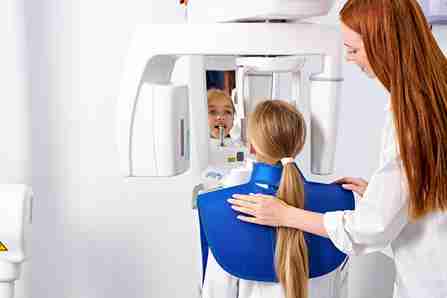
A comprehensive assessment is the cornerstone of successful airway-focused orthodontic treatment. Orthodontists begin with a detailed review of dental and medical history, followed by an oral examination and imaging to analyse jaw structure, teeth alignment, and airway space.
Assessment Steps:
- Oral and Jaw Examination: Evaluates bite, teeth position, and jaw posture
- Medical and Sleep History Review: Identifies potential airway concerns
- Imaging (2D/3D scans): Assesses teeth, jaw alignment, and airway structure
- Customised Treatment Plan: Combines braces, aligners, expanders, or functional appliances for optimal results
Ongoing monitoring is essential. If urgent issues arise, such as appliance discomfort or dental emergencies, patients can consult an emergency dentist in Rotherham for immediate assistance.
Supporting Airflow During Treatment
Maximising the benefits of orthodontic treatment requires consistent care and attention to daily habits. Encouraging nasal breathing, maintaining oral hygiene, and following appliance instructions ensures that teeth and jaws move effectively while airway function improves.
Tips to Support Airflow While Undergoing Treatment:
- Brush and floss thoroughly before reinserting appliances
- Reinforce nasal breathing instead of mouth breathing
- Track sleep and breathing patterns, noting any concerns
- Follow appliance wear instructions meticulously
- Maintain upright posture to promote airway expansion
Integrating these practices into daily routines enhances both the effectiveness of orthodontic treatment and the overall health of the patient.

Expert Advice & Recommendations
Early evaluation is particularly critical for children. By assessing jaw growth and bite development at a young age, orthodontists can identify airway restrictions and plan interventions that guide proper growth. Adults can also benefit from treatment aimed at improving airflow and alleviating discomfort associated with misaligned bites.
Orthodontist Recommendations:
- Schedule early assessments for children around ages 7–9
- Reinforce consistent appliance use for maximum results
- Teach proper care and hygiene for braces, aligners, or expanders
- Maintain open communication with your orthodontist to address issues promptly
- Seek advice from an emergency dentist in Rotherham if urgent problems or pain occur
Parental support and patient compliance are crucial for achieving optimal results in children, while adults benefit from commitment to appliance care and follow-up appointments.
Conclusion
Airway-focused orthodontic care offers much more than cosmetic benefits, it can improve breathing, enhance sleep, and support overall health. By correcting misaligned teeth and guiding jaw growth, orthodontists create space for proper tongue posture and nasal airflow, reducing mouth breathing and related issues. Early assessment, customised treatment, and consistent care are key to achieving these benefits. With professional guidance and ongoing support, patients can enjoy improved oral health, efficient breathing, and the confidence of a well-aligned smile. Families and individuals in Rotherham have access to expert orthodontic solutions designed to support both dental alignment and long-term airway health.