
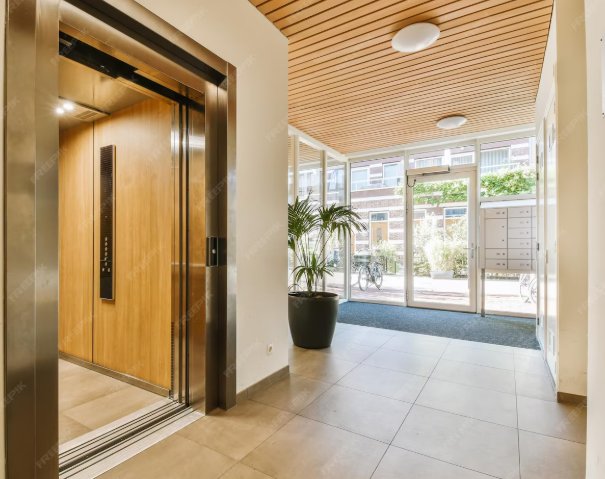
Outdoor elevators have become an increasingly popular solution for homeowners and property owners who want to improve accessibility and convenience. Whether installed in a private home, a vacation property, or a commercial building, outdoor elevators provide an efficient way to move between floors without relying solely on stairs. They are especially helpful for people with mobility challenges, multi-story homes, or properties built on elevated terrain.
One of the most common questions people ask before installing an outdoor elevator is how much it will cost. The answer depends on several factors, including the type of elevator, the height of the building, installation requirements, and additional features. Understanding the cost breakdown can help you plan your budget and choose the best option for your property.
This guide will explain the key factors that influence the price of an outdoor elevator, along with installation considerations, maintenance costs, and other important details that can affect the total investment.
Understanding What an Outdoor Elevator Is
An outdoor elevator is a lift system designed to operate outside a building rather than inside. It allows users to travel between different levels of a home or property while remaining protected from weather conditions. These elevators are typically built with weather-resistant materials that can withstand rain, temperature changes, and outdoor exposure.
Outdoor elevators are commonly installed in homes built on hills, coastal properties, or multi-level houses with raised entrances. They can also be used in commercial spaces where accessibility improvements are required.
Unlike indoor elevators, outdoor models are specially designed to operate safely in open environments. Their structure often includes protective enclosures, durable frames, and reliable lift mechanisms that ensure smooth operation in different weather conditions.
Average Cost of an Outdoor Elevator
The cost of installing an outdoor elevator can vary widely depending on several factors. In most cases, homeowners can expect to pay between $20,000 and $60,000 for a complete installation. However, some custom or high-end systems may cost more depending on the design and complexity.
The base cost usually includes the elevator unit itself, essential mechanical components, and standard installation. However, additional features, structural modifications, and permits can increase the final price.
Properties that require special structural support or additional construction work may have higher installation costs. On the other hand, simpler installations with minimal modifications may remain closer to the lower end of the price range.
Understanding the different cost components can help homeowners estimate their total investment more accurately.
Factors That Affect Outdoor Elevator Costs
Elevator Type and Design
The type of elevator system you choose plays a major role in determining the cost. Different lift technologies have different installation requirements and price ranges.
Hydraulic elevators are commonly used in residential applications because they provide smooth operation and reliable performance. These systems may cost more because they require specialized equipment and installation.
Cable-driven elevators are another option that often costs less than hydraulic systems. They use a pulley system to move the elevator car between floors.
Platform lifts and vertical lifts are sometimes used for smaller residential installations. These systems are typically more affordable but may have lower weight capacities and fewer customization options.
Each elevator type offers different advantages, so choosing the right system depends on both your budget and your property requirements.
Height and Number of Floors
The number of levels the elevator needs to serve also influences the overall cost. Elevators that travel between two floors are generally more affordable than systems designed for three or more levels.
Greater height requires stronger structural support and more powerful lifting mechanisms. Additional floors may also increase the cost of guide rails, safety features, and installation time.
Properties with unique layouts or challenging architectural designs may require custom elevator solutions, which can raise the overall project cost.
Installation and Construction Requirements
Installing an outdoor elevator often involves structural preparation and construction work. Depending on the building design, contractors may need to create a secure foundation or build a supporting tower structure.
Some installations require electrical upgrades, concrete foundations, or reinforced frames to ensure safe operation. These construction elements can add several thousand dollars to the overall project cost.
Professional installation is essential for safety and long-term performance. Experienced contractors ensure that the elevator is installed correctly and meets local building codes and safety standards.
Weather Protection and Materials
Outdoor elevators must be designed to withstand environmental conditions such as rain, wind, and temperature changes. High-quality materials like stainless steel, aluminum, and weather-resistant coatings help protect the elevator from damage.
Enclosures are often installed around outdoor elevators to provide additional protection. Glass panels or metal structures can help shield the lift system from weather exposure while maintaining a stylish appearance.
Weather protection features may increase the overall cost but also help extend the lifespan of the elevator.
Custom Features and Design Options
Many homeowners choose to customize their outdoor elevator to match the style of their property. Custom finishes, lighting, and modern control panels can enhance both appearance and functionality.
Glass elevator cabins, decorative railings, and advanced safety features may also increase the price. While these upgrades add to the overall cost, they can improve the aesthetic value and user experience of the elevator.
Custom design elements are particularly popular in luxury homes or properties where appearance is an important consideration.
Coastline Lift is a trusted elevator company in Florida, specializing in custom home lift solutions. With over 15 years of experience, we offer high-quality elevator installations to enhance accessibility and add value to your home. As a certified residential contractor (CRC#1333752), we are experts in installing pneumatic vacuum elevators (PVE) and panoramic glass elevators, designed for coastal and elevated homes. Our personalized, fast installation process ensures minimal disruption while providing maximum satisfaction. Serving the Florida Panhandle, we are known for our local expertise, craftsmanship, and reliable service. Ready to elevate your home? Contact Coastline Lift today for a consultation and expert installation.
Additional Costs to Consider
Permits and Inspection Fees
Local regulations often require permits and inspections before installing an elevator. These permits ensure that the installation meets safety standards and building codes.
Permit costs vary depending on location and project size. Inspection fees may also apply during different stages of the installation process.
Working with a professional elevator company can help ensure that all required permits are obtained and that the installation complies with local regulations.
Maintenance and Servicing
Regular maintenance is necessary to keep an outdoor elevator operating safely and efficiently. Maintenance services typically include inspections, lubrication of moving parts, and system testing.
Annual maintenance costs may range from several hundred to a few thousand dollars depending on the complexity of the elevator system.
Proper maintenance helps prevent unexpected repairs and extends the life of the elevator.
Electricity and Operating Costs
Outdoor elevators operate using electric power. The energy consumption is generally low compared to other household systems, but it still contributes to ongoing operating costs.
Energy-efficient models can help reduce electricity usage while maintaining reliable performance.
Benefits of Installing an Outdoor Elevator
Outdoor elevators provide several practical benefits for homeowners and property owners. One of the most important advantages is improved accessibility. Individuals with mobility limitations can move between floors safely without relying on stairs.
Outdoor elevators also increase convenience by making it easier to transport groceries, luggage, and other items between levels of a property.
In some cases, installing an elevator can increase the value of a home. Properties with improved accessibility and modern features often attract more potential buyers.
For homes located on hillsides or coastal areas, outdoor elevators provide a practical solution for navigating steep or elevated entryways.
Choosing the Right Outdoor Elevator Provider
Selecting a reliable elevator company is essential for a successful installation. Professional providers offer expert guidance, high-quality equipment, and proper installation services.
When choosing a company, it is important to review their experience, customer feedback, and safety certifications. Reputable providers will also offer clear pricing information and detailed project estimates.
Working with experienced professionals ensures that the elevator system is installed correctly and functions safely for many years.
Planning Your Outdoor Elevator Investment
Installing an outdoor elevator is a significant investment that requires careful planning. Property owners should evaluate their accessibility needs, budget, and available space before choosing a system.
Consulting with elevator specialists can help identify the most suitable design and installation approach. Professionals can also assess structural requirements and recommend systems that fit the property layout.
Proper planning helps avoid unexpected costs and ensures that the final installation meets both functional and aesthetic expectations.
Conclusion
The cost of an outdoor elevator can vary depending on several factors, including the type of system, building height, installation requirements, and customization options. Most installations fall between $20,000 and $60,000, although more advanced systems may exceed this range.
Understanding the different components that contribute to the total cost can help homeowners plan their investment more effectively. From installation and permits to maintenance and customization, each factor plays a role in the final price.
Outdoor elevators offer long-term benefits by improving accessibility, convenience, and property value. With the right planning and professional installation, they can provide a reliable and practical solution for multi-level properties.
Frequently Asked Questions
How much does a basic outdoor elevator cost?
A basic outdoor elevator installation typically starts around $20,000, depending on the system type and installation requirements. More advanced or customized elevators may cost significantly more.
Are outdoor elevators safe?
Yes, outdoor elevators are designed with safety features such as emergency stop systems, secure enclosures, and automatic controls. When installed by professionals and properly maintained, they provide a safe transportation solution.
How long does it take to install an outdoor elevator?
The installation timeline varies depending on the complexity of the project. In many cases, installation can take several weeks once construction preparation and permits are completed.
Do outdoor elevators require regular maintenance?
Yes, regular maintenance is important for ensuring safe operation. Routine inspections and servicing help keep the system running smoothly and extend the lifespan of the elevator.
Can an outdoor elevator increase property value?
In many cases, installing an outdoor elevator can improve property value by enhancing accessibility and convenience. Homes with modern accessibility features may appeal to a wider range of buyers.