
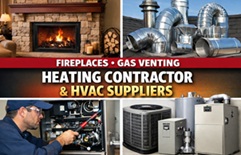
You need reliable HVAC suppliers Langley to keep installations efficient and maintenance straightforward. Local branches and distributors in Langley supply parts, tools, and brand-name equipment—from replacement components to full systems—so you can source what your job requires without long lead times.
This post HVAC suppliers walks through top suppliers in Langley, what each typically stocks, and how to compare offerings, pricing, and service so you can pick the right partner for projects or ongoing service. Expect practical tips for checking inventory, warranty support, and technician resources to help you make confident buying decisions.
Top HVAC Suppliers in Langley
You can source full-system installs, commercial-grade equipment, OEM replacement parts, and authorized brand dealers within Langley. Expect local branches that offer technical support, warranties, and volume pricing for contractors and homeowners.
Leading Residential HVAC Providers
You’ll find several Langley companies that specialize in home heating and cooling installations and service. Look for providers that list furnace and air‑conditioner installation, heat pump retrofits, and ductwork sealing as core services.
Choose contractors who offer energy‑efficient models (ENERGY STAR or inverter-driven heat pumps) and provide load calculations (Manual J) to size equipment correctly. Ask for a written estimate that breaks down equipment, labour, permits, and expected efficiency gains.
Check for liability insurance and provincial trade credentials; many local firms also provide seasonal maintenance plans and 24/7 emergency service. These features reduce unexpected costs and keep your warranty valid.
Trusted Commercial HVAC Distributors
If you manage a commercial property or construction project, target distributors that stock rooftop units, packaged systems, VRF/VRV equipment, and commercial boilers. These suppliers should offer project support: design-assist, CAD submittals, and on-site delivery scheduling.
You’ll want access to bulk pricing, expedited freight, and contractor accounts with credit terms. Verify that the distributor can coordinate parts for preventive maintenance contracts and provide technical reps who understand building controls and energy‑efficiency incentives.
Confirm lead times and stock availability for large units; delays on long‑lead commercial items can affect construction schedules and occupancy timelines.
Certified Parts Suppliers
For repairs and maintenance, choose suppliers that carry OEM parts and maintain parts catalogs for major manufacturers. A certified parts supplier will stock filters, control boards, compressors, expansion valves, and refrigerant lines, and they’ll cross‑reference aftermarket equivalents when appropriate.
You should expect clear return policies, warranty handling, and staff who can identify parts by model and serial number. Some Langley locations provide same‑day pickup, local delivery, or next‑day courier service for urgent repairs.
Ask whether the supplier handles refrigerant reclamation and provides documentation for regulatory compliance if you work with F‑gas or similar refrigerants.
Authorized Equipment Dealers
Buy through authorized dealers when you need brand warranties and certified installation eligibility. Dealers for major brands register installations for full manufacturer coverage and often offer extended warranty packages and factory training for installers.
When comparing dealers, check their certified installer lists, testimonial history, and whether they provide commissioning reports after installation. Authorized dealers also typically offer promotional rebates and coordinate rebate paperwork for energy‑efficiency programs in BC.
Confirm the dealer’s service reach; some provide in‑house technicians while others contract local service partners—both affect response times and warranty service handling.
Selecting the Right HVAC Supplier in Langley
Focus on suppliers that stock the specific brands and parts you need, offer reliable local support, and provide clear pricing and delivery terms. Prioritize suppliers with experience in residential and commercial systems, transparent warranties, and verified technician networks.
Evaluating Product Range and Availability
You need a supplier that carries the exact equipment and parts your project requires—furnaces, heat pumps, ductless mini-splits, controls, and OEM replacement parts. Check for brand coverage (e.g., major manufacturers and ENERGY STAR-rated models) and whether they keep sizes, capacities, and common spare parts in inventory.
Ask about lead times for special-order items and whether they maintain stock for seasonal demand peaks, like high-efficiency heat pumps in spring. Verify access to technical datasheets and compatibility charts to ensure correct sizing and retrofit fit.
Use a quick checklist when contacting suppliers:
- Brands stocked
- Spare parts availability
- Typical restock lead times
- Access to specification sheets
Assessing Customer Service and Support
You should choose suppliers that offer technical advice, installation guidance, and warranty assistance. Confirm whether they provide on-call technical support, in-person field tech visits, or remote troubleshooting for installers.
Check for certified technician referrals and training programs; suppliers who train local contractors help reduce installation errors. Ask how they handle warranty claims and whether they assist with documentation and parts replacement.
Consider response times and communication channels. Fast phone support and a responsive parts desk save you time on emergency repairs and project delays.
Comparing Pricing and Delivery Options
Compare unit and parts prices, delivery fees, and minimum order requirements to find real cost differences. Request written quotes that itemize product cost, taxes, delivery, and any restocking charges.
Evaluate delivery capabilities: same-day local delivery, scheduled site delivery, or contractor pick-up. Confirm whether they offer liftgate service, residential curb-side drop, or bulk delivery for larger projects.
Negotiate terms for repeat purchases, warranty parts, and emergency shipments. Ask about invoice payment terms, trade discounts for contractors, and available rebates or local utility incentives to reduce net costs.
 John Ryan